


Ultra-luxury interior design is defined as the complete elimination of standardization in favor of full, real-time individualization, where every spatial, material, and sensory decision is engineered around a single occupant’s lifestyle. This is the industry’s highest tier, sitting above what most people call “luxury” the way a bespoke suit sits above a premium off-the-rack one. Understanding what does ultra-luxury interior mean requires moving past price tags and into the territory of craftsmanship, proportion, and deeply personal narrative. The distinction matters because the gap between luxury and ultra-luxury is not incremental. It is categorical.
What does ultra-luxury interior mean at its core?
Ultra-luxury replaces standardized quality with complete individualization, building rare, transformative environments in real time around the client. That single shift changes everything: the design process, the materials selected, the technology integrated, and the spatial logic applied. You are not buying a better version of something that already exists. You are commissioning something that has never existed before.
The industry term most designers use is bespoke residential design at the ultra-luxury tier. This phrase captures the essential quality: nothing is sourced from a catalog, adapted from a standard plan, or repeated across projects. Every element, from the stone selected for a kitchen counter to the acoustic treatment of a bedroom wall, is chosen or fabricated specifically for the person who will live with it.
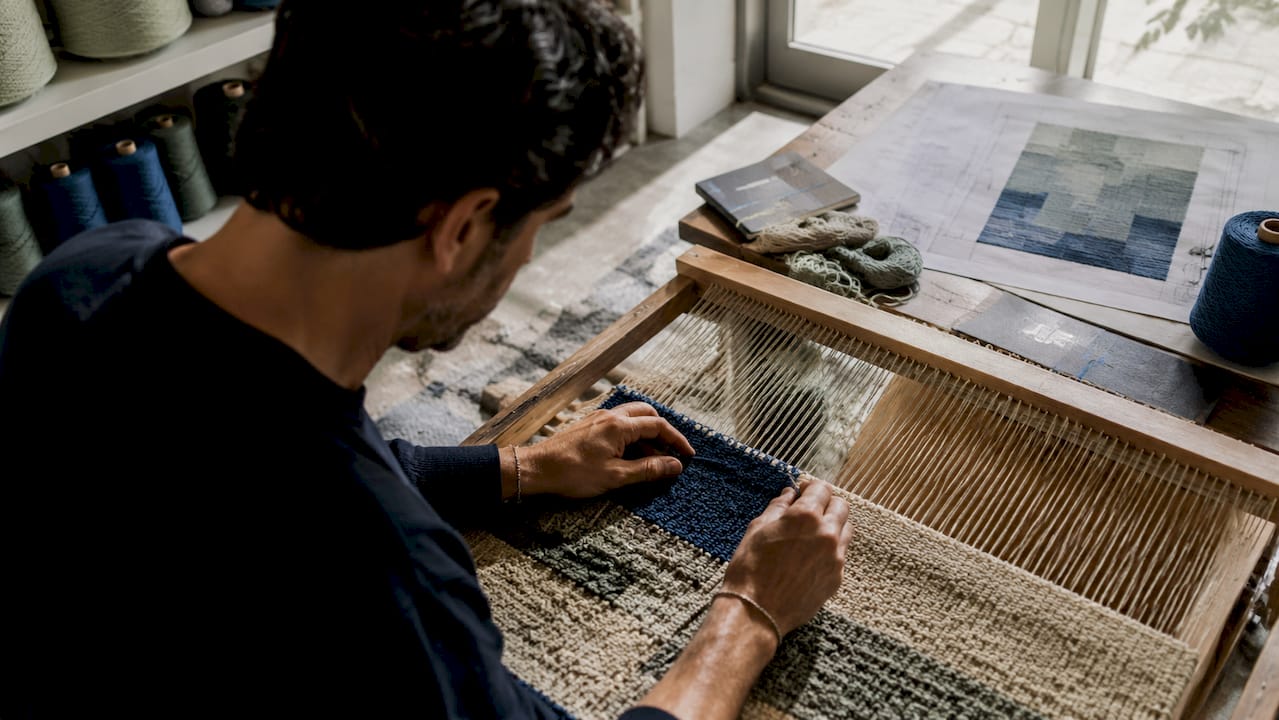
70–80% of perceived luxury comes from spatial flow, lighting layering, and material consistency rather than expensive individual objects. This finding reframes the entire conversation. Ultra-luxury is not about assembling the most costly pieces. It is about the invisible architecture of experience: how a room breathes, how light moves through it at different hours, and how the materials speak to each other across the space.
What are the defining pillars of ultra-luxury interiors?
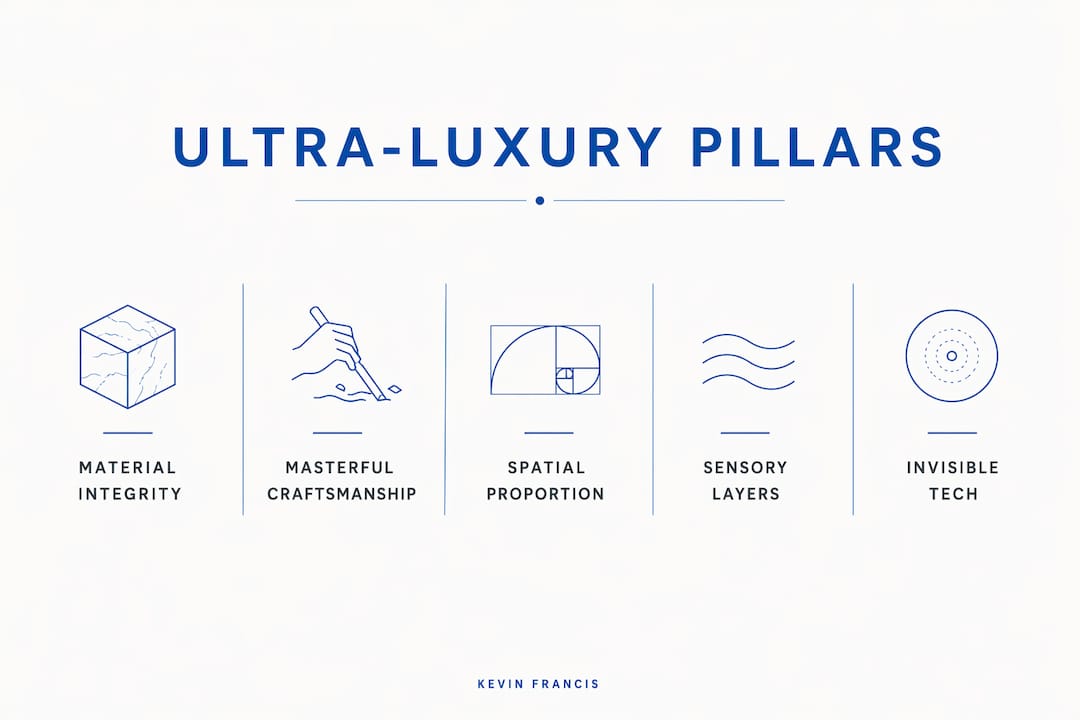
Ultra-luxury interior design rests on five foundational pillars. Each one is necessary. None is sufficient alone.
- Material integrity: Genuine, high-quality materials used consistently at scale. A single stone slab carried across floors, walls, and countertops creates calm unity. Mixing finishes to cut costs destroys the effect.
- Masterful craftsmanship: Every joint, seam, and transition is considered. Invisible victories like flush transitions and clean edges define true luxury far more than decorative flourishes.
- Harmonious proportion and spatial flow: Rooms are sized and sequenced to feel generous without feeling empty. Negative space is treated as a design material, not wasted square footage.
- Sensory richness: Texture, layered lighting, and acoustic design shape how a space feels, not just how it looks. Designer lighting for luxury homes plays a central role in this sensory layering.
- Timelessness: Ultra-luxury design favors principles that outlast trends. A space designed in 2026 should feel as considered in 2040 as it does today.
Restraint is the thread connecting all five pillars. Ultra-luxury is not about adding more. It is about selecting with absolute discipline and executing with absolute precision.
Pro Tip: When evaluating whether a space qualifies as ultra-luxury, look at the transitions first. Where two materials meet, where a wall meets a ceiling, where a floor changes surface: these junctions reveal the true quality of the design and the craftsmanship behind it.
How does ultra-luxury differ from traditional luxury design?
The difference between luxury and ultra-luxury interior design is not a matter of degree. It is a matter of kind. Luxury delivers consistent, high-quality experiences that many clients can recognize and appreciate. Ultra-luxury creates individualized experiences that anticipate needs before they are expressed, much like the staffing ratios in ultra-luxury hospitality that precede a guest’s requests rather than responding to them.
| Dimension | Luxury Interior | Ultra-Luxury Interior |
|---|---|---|
| Personalization | High-quality standard options | Fully bespoke, client-specific design |
| Materials | Premium, curated selections | Custom-fabricated or one-of-a-kind |
| Technology | Feature-rich integration | Ghost Technology: invisible, seamless automation |
| Spatial logic | Well-proportioned, designed spaces | Engineered around occupant movement and lifestyle |
| Craftsmanship | Expert execution of known methods | Artisan collaboration, unrepeatable techniques |
| Design goal | Elevated comfort and aesthetics | Transformative, identity-extending environment |
The most common misconception is that ultra-luxury simply means spending more. A luxury kitchen might feature a Sub-Zero refrigerator and Calacatta marble countertops. An ultra-luxury kitchen features the same marble carried through the floor, the ceiling detail, and the custom cabinetry hardware, all fabricated by a single artisan workshop to ensure the grain and tone are continuous across every surface.
Pro Tip: If a design could be replicated for another client with minor adjustments, it is luxury, not ultra-luxury. True ultra-luxury design is so specific to its occupant that replication would require starting from scratch.
What innovations define ultra-luxury interiors in 2026?
Ultra-luxury interior design in 2026 is shaped by four categories of innovation, each pushing the definition of what a home can do and feel like.
-
Ghost Technology. Disciplined restraint and negative space define the 2026 approach to automation. Ghost Technology refers to the invisible integration of climate control, lighting, audio, and security systems so that no visible hardware interrupts the design. Speakers disappear into walls. Lighting controls are embedded into surfaces. The technology serves the space without announcing itself.
-
Material continuity. Using a single stone or finish across large spaces creates calm, unified atmospheres that feel both expansive and intimate. This requires sourcing from a single quarry lot, coordinating fabrication across multiple trades, and maintaining strict quality control throughout installation.
-
Bespoke climate and acoustic engineering. The $90 million residence at 432 Park Avenue in New York City demonstrates this principle at its most extreme. Bespoke climate engineering systems almost unheard of in typical residences were integrated into the structure itself, not added as afterthoughts. Acoustic isolation at this level requires engineering the building’s mass and material density, not simply adding insulation.
-
Collectible customization and artisan collaboration. The same 432 Park Avenue residence features custom window treatments by Lesage, the Parisian couture embroidery house, alongside automated wardrobe management systems operating from 14-foot ceilings. These are not features. They are artifacts. Residential yachts at the ultra-luxury tier face similar challenges, where weight constraints demand innovative material alternatives that maintain premium aesthetics without compromising structural performance.
How does ultra-luxury design create a deeply personal environment?
Ultra-luxury interior design treats the home as a narrative tool, an extension of the occupant’s identity rather than a backdrop to their life. Designing for the highest tier means understanding client movement, emotional rhythm, and daily experience, then building a space that responds to all three.
Designer Katie Earl, speaking about The Delmore project, describes the goal as creating softness, calmness, and tranquility through spatial flow and sightlines that evoke expansiveness and mood. This is not achieved through grand gestures. It is achieved through the careful sequencing of rooms, the placement of thresholds, and the deliberate use of negative space.
The sensory layers that define these environments include:
- Tactile materials: Hand-knotted wool rugs, Tibetan-knotted textiles, and hand-woven wall coverings that invite touch and reward close attention.
- Layered lighting: Ambient, task, and accent lighting designed to shift the mood of a room across the day without a single visible fixture feeling out of place.
- Bespoke objects: Custom rugs, wallpaper designed for a specific wall, and artisanal objects that carry the design’s narrative into every corner.
Bespoke rugs reflect identity and style in a way that no mass-produced textile can. In an ultra-luxury interior, the rug is not a finishing touch. It is a foundational element that anchors the room’s color story, texture palette, and spatial logic simultaneously.
Key takeaways
Ultra-luxury interior design is defined by complete individualization, where bespoke materials, invisible technology, and masterful craftsmanship combine to create environments that extend the occupant’s identity rather than simply surrounding them with expensive objects.
| Point | Details |
|---|---|
| Individualization over quality | Ultra-luxury replaces standardized premium quality with fully bespoke, client-specific design decisions. |
| Five foundational pillars | Material integrity, craftsmanship, spatial proportion, sensory richness, and timelessness define the tier. |
| Ghost Technology integration | Automation and climate systems are engineered to be invisible, serving the space without visual interruption. |
| Restraint as a design tool | Negative space and material continuity create exclusivity more effectively than decorative excess. |
| Sensory and narrative depth | Tactile materials, layered lighting, and bespoke objects transform a home into an extension of personal identity. |
What i’ve learned designing at the ultra-luxury tier
The question I hear most often is some version of: “How do I know when a space has crossed into ultra-luxury?” My honest answer is that you feel it before you understand it. There is a quality of stillness in these spaces, a sense that nothing is competing for your attention, that everything belongs exactly where it is.
What I have found, working with clients who want the highest tier of residential design, is that the most transformative spaces are almost never the most decorated ones. The clients who push for more, more texture, more pattern, more statement pieces, often end up with spaces that feel busy rather than rich. The clients who trust restraint, who allow a single extraordinary material to carry an entire room, end up with something genuinely rare.
The other lesson I keep returning to is the importance of understanding how a client actually lives before specifying a single finish. Disciplined planning is not a constraint on creativity. It is the foundation of it. When you know that someone reads for two hours every morning in a specific chair, you design the light for that chair first, and everything else follows from that decision.
Ultra-luxury design is also more durable than trend-driven luxury. The spaces I have seen age most gracefully are the ones built on proportion and material honesty, not on whatever material or color was fashionable at the time of construction. Timelessness is not a passive quality. It is an active choice made at every stage of the design process.
— Kevin O’Gara
How a bespoke rug anchors an ultra-luxury interior
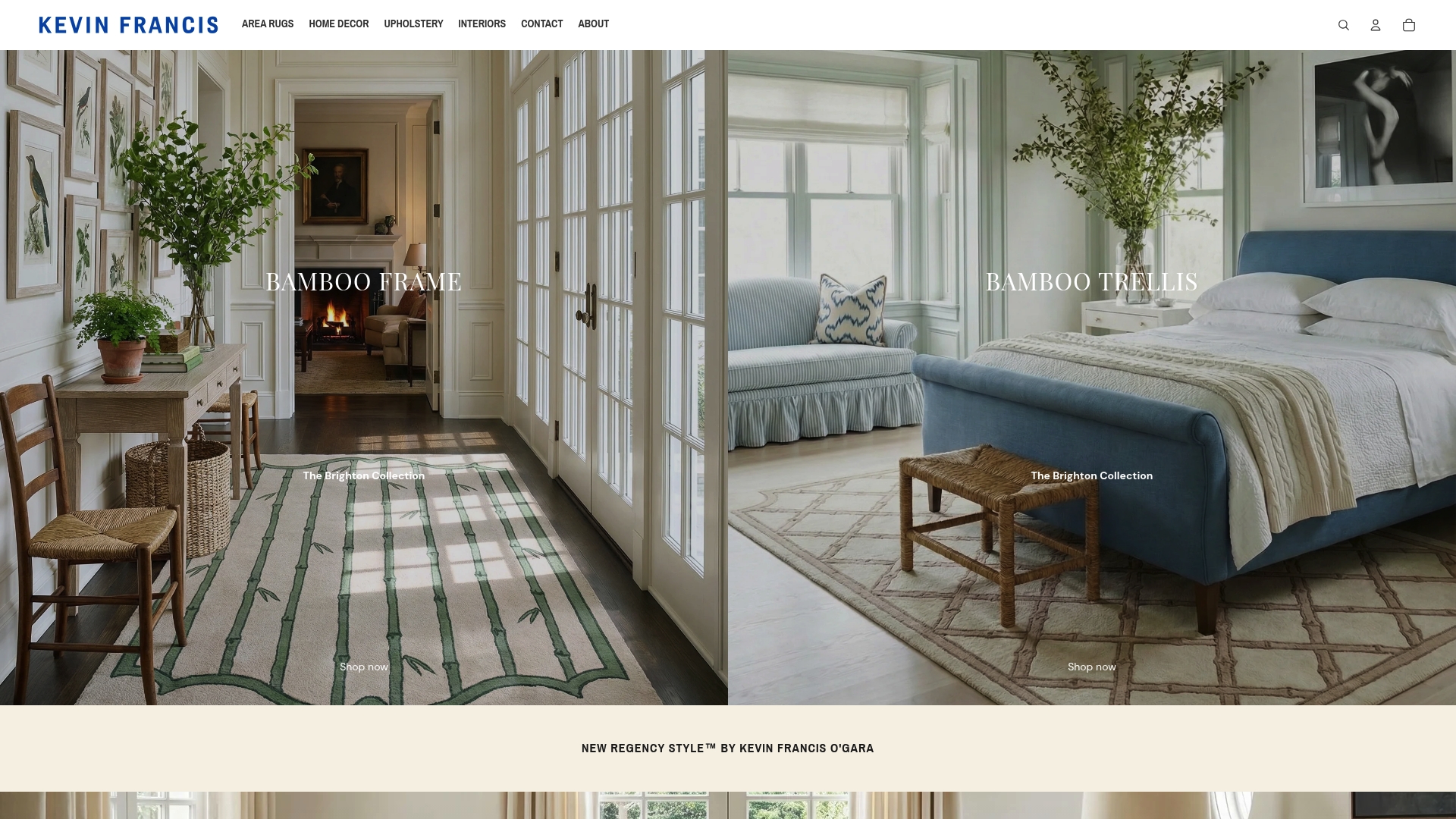
At Kevin Francis Design, we believe the floor is the foundation of every sensory experience in a room. A hand-knotted rug is not simply a decorative layer. It is the element that unifies color, texture, and spatial logic into a single, coherent statement. Our Lotto Hand-Knotted Wool Area Rug exemplifies this philosophy: crafted using traditional techniques, designed with the kind of pattern depth that rewards long attention, and built to anchor a room for decades. For those beginning to assemble a collection, our full range of handmade luxury rugs offers bespoke options that align with every pillar of ultra-luxury design, from material integrity to timeless artistry. The right rug does not finish a space. It defines it.
FAQ
What does ultra-luxury interior mean exactly?
Ultra-luxury interior design means creating fully individualized environments where every material, spatial decision, and technology integration is engineered specifically for one client’s lifestyle. It differs from luxury by eliminating standardization entirely.
What are the key characteristics of ultra-luxury interiors?
The five defining characteristics are material integrity, masterful craftsmanship, harmonious spatial proportion, sensory richness through texture and lighting, and timeless design principles that prioritize longevity over trends.
How is ultra-luxury interior design different from luxury interior design?
Luxury delivers consistent, high-quality experiences available to many clients. Ultra-luxury creates unrepeatable, bespoke environments so specific to their occupant that no two projects share the same design logic or material palette.
What is ghost technology in ultra-luxury interiors?
Ghost Technology refers to the invisible integration of automation systems, including climate control, lighting, and audio, so that no visible hardware interrupts the design. The technology serves the space without announcing its presence.
Do ultra-luxury interiors require expensive materials to achieve the effect?
Not exclusively. Research shows that 70–80% of perceived luxury comes from spatial flow, lighting layering, and material consistency rather than the cost of individual objects. Restraint and proportion matter more than price.
Recommended
- Types of Designer Lighting for Luxury Homes: A Style Guide – Kevin Francis Design
- How Luxury Lighting Complements Area Rugs – Kevin Francis Design
- Types of Luxury Area Rug Fibers: A Decorator’s Guide – Kevin Francis Design
- Professional Rug Appraisal for Luxury Pieces: A Collector’s Guide – Kevin Francis Design


