


The resale market for luxury rugs is defined as the secondary trading of high-end, hand-knotted, or designer rugs that retain or appreciate in value due to their craftsmanship, rarity, and provenance. Understanding what is the resale market luxury rugs means recognizing it as a genuine investment category, not simply a secondhand furniture trade. Appraisal standards like the RUG Index provide reproducible valuation methods accepted by insurance companies and courts, giving buyers and sellers a credible framework for pricing. The luxury carpet secondhand market has grown steadily alongside rising interest in vintage interiors and the digital expansion of specialty platforms. For collectors, interior designers, and home decor enthusiasts alike, knowing how this market works is the first step toward making confident, well-informed decisions.
What factors determine the resale value of luxury rugs?
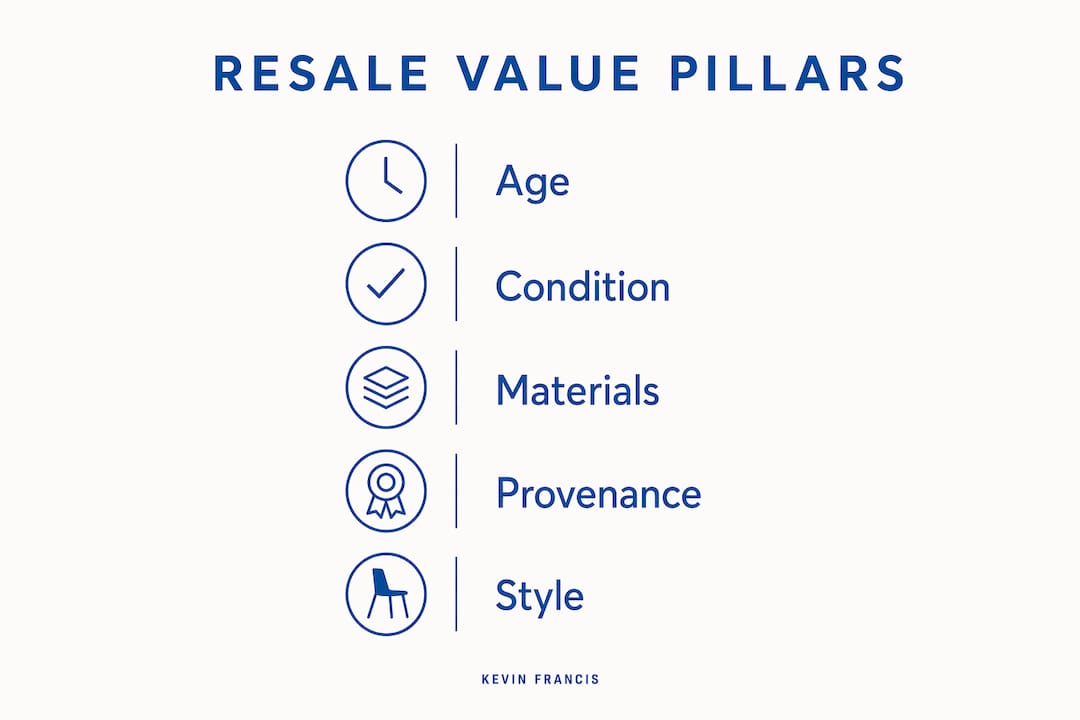
Resale value in the luxury rug market rests on five measurable pillars: age, condition, materials, provenance, and style. A professional appraisal using a documented five-factor formula produces a defensible price that holds up in negotiations, insurance claims, and estate settlements. Each pillar carries weight, but no single factor overrides the others.
Construction method and fiber type
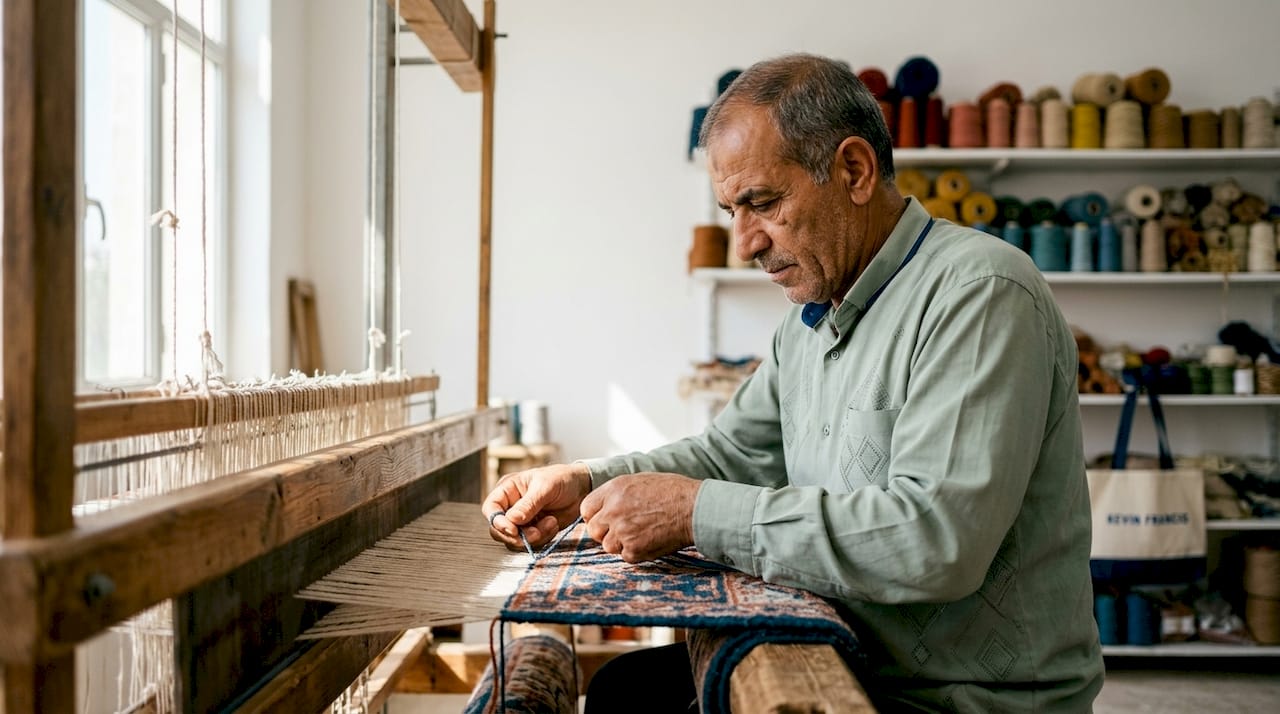
Hand-knotted rugs command the highest resale prices because each knot is tied individually, a process that can take months or years. Machine-made rugs, regardless of their retail price, rarely hold value in resale because they lack the labor intensity and material depth that collectors prize. Fiber type matters equally: wool rugs are durable and age gracefully, while silk rugs carry a luminous quality that elevates their value but also makes them more fragile. You can learn more about how fiber type affects value before buying or selling.
Condition, provenance, and documentation
Condition grading directly affects the resale price luxury rugs can achieve. A rug with even wear, intact pile, and no repairs will always outperform a comparable piece with patched areas or fading. Provenance, meaning the documented history of ownership or origin, adds a storytelling dimension that serious collectors pay a premium for. Original purchase receipts, certificates of authenticity, and restoration records all strengthen a listing.
The RUG Index age multipliers illustrate how age compounds value: antique rugs over 100 years old carry a 2.8x multiplier, semi-antique pieces from 50–99 years carry a 2.0x multiplier, and modern rugs carry a 1.1x multiplier. That spread means a well-preserved antique can be worth nearly three times its modern equivalent in fair market terms.
- Hand-knotted construction signals authentic craftsmanship and commands premium pricing.
- Wool and silk fibers age better than synthetics and retain collector appeal.
- Documented provenance adds measurable value beyond the physical object.
- Condition grading separates listings that sell quickly from those that stagnate.
- Size affects demand: smaller and mid-sized rugs like runners and 5x7 pieces resell faster due to placement flexibility and lower shipping costs.
Pro Tip: Get a certified appraisal before listing, not after. Sellers who price from insurance documents alone consistently overprice their pieces and miss the market entirely.
How does the luxury rugs secondhand market operate today?
The luxury carpet secondhand market operates across several distinct channels, each attracting different buyer types and offering different margin possibilities. Sourcing and selling through the right channel is as important as the rug itself.
Where rugs enter the market
Estate sales remain the richest sourcing ground for undervalued pieces. Rugs bought at estate sales for $40–$200 regularly resell for $600–$1,800 on platforms like Chairish and Etsy. Consignment dealers offer a more curated entry point, while auction houses attract serious collectors willing to pay for rarity and documentation.
Selling channels and buyer segments
- Specialty platforms like Chairish and 1stDibs attract interior designers and collectors who expect detailed provenance and professional photography.
- General marketplaces like eBay and Facebook Marketplace reach a broader audience but typically yield lower prices for luxury pieces.
- Auction houses work best for antique or museum-quality rugs where competitive bidding can push prices well above estimates.
- Direct dealer sales offer speed and certainty but usually at a discount to market value.
- Consignment arrangements preserve price integrity while shifting the selling effort to a specialist.
Buyer segmentation shapes which channel you choose. Interior designers buying luxury rugs resale prioritize condition and visual impact. Collectors focus on age, origin, and documentation. Home decorators seek style and size fit. Investors look for pieces with clear appreciation trajectories.
Average sell times range from 7 days for accent rugs to 60 days for large antique pieces. That gap reflects the narrower buyer pool for oversized rugs and the higher logistics costs involved. Selling high-end rugs through the right channel for the right buyer type is the single biggest lever on realized price.
What are the current trends shaping luxury rug resale demand?
Demand in the luxury rug resale market is not static. Style cycles, renovation waves, and shifting demographics all move prices in ways that reward attentive buyers and sellers.
The strongest current trend is the rise of authentic vintage hand-knotted pieces, particularly Beni Ourain rugs from Morocco. Their minimalist geometric patterns fit seamlessly into modern and Scandinavian interiors. Beni Ourain rugs sourced for $30–$80 regularly resell for $300–$1,000 on Etsy and Chairish. That price spread reflects genuine collector demand, not speculative pricing.
- Vintage hand-knotted pieces with patina and story are outperforming new production rugs in resale.
- Minimalist patterns like Beni Ourain and tribal geometrics align with 2026 interior design preferences.
- Home renovation cycles from 2024 through 2026 have increased demand for statement floor pieces with character.
- Digital platforms including Instagram and 1stDibs have expanded the buyer pool for premium vintage rugs globally.
- Mid-sized formats (5x7 and 6x9) are the sweet spot for resale velocity and shipping practicality.
Geographic shifts also matter. Urban buyers in major American cities increasingly favor rugs with cultural narrative, whether a Persian Tabriz, a Turkish Oushak, or a hand-knotted Tibetan piece. Sellers who understand statement rug styles trending in 2026 can time their listings to match peak demand cycles.
Pro Tip: Use social listening tools and platform search data to track which rug styles are gaining traction before you buy. Listing a Beni Ourain in january is very different from listing one in september when fall decorating searches peak.
How to successfully buy and sell luxury rugs in the resale market
Buying and selling high-end rugs well requires a system, not just good taste. The collectors and dealers who consistently profit treat each transaction as a research exercise first and an aesthetic one second.
Buying with confidence
- Verify construction by examining the back of the rug. Hand-knotted pieces show irregular knot patterns; machine-made rugs show uniform, mechanical rows.
- Assess condition honestly before purchase. Check pile height, fringe integrity, and any signs of repair or color bleeding.
- Request provenance documentation whenever possible. A receipt, a gallery tag, or a prior appraisal adds immediate credibility and resale value.
- Know how to identify quality craftsmanship before committing to a price.
- Price from fair market value, not retail replacement. Insurance appraisals reflect what a retailer would charge to replace a rug, not what a buyer will pay in the open market. Confusing the two is the most common and costly mistake in this space.
Selling with precision
The gap between retail replacement and fair market value is the single most misunderstood concept in luxury rug resale. Sellers who price from insurance documents consistently overprice and fail to sell. Fair market value reflects what a willing buyer pays a willing seller, with neither under pressure. That number is almost always lower than the insurance figure.
Good photography is non-negotiable. Shoot in natural light, capture the full rug flat, and include close-ups of the pile, back, and any notable details. Write descriptions that name the origin, age, fiber, and condition clearly. Timing matters too: list statement pieces in late summer when fall decorating searches begin climbing.
Pro Tip: Commission a restoration before listing if the rug has minor repairs needed. A professionally restored rug with documentation sells faster and at a higher price than an “as-is” listing with visible flaws.
Key takeaways
The luxury rug resale market rewards buyers and sellers who combine aesthetic knowledge with disciplined pricing, sourcing strategy, and an understanding of fair market value versus insurance replacement cost.
| Point | Details |
|---|---|
| Fair market value drives pricing | Insurance appraisals overstate resale price; use certified fair market appraisals to price correctly. |
| Construction and fiber define value | Hand-knotted wool and silk rugs hold and grow in value; machine-made pieces rarely do. |
| Size affects resale speed | Mid-sized rugs (5x7, 6x9) sell faster and attract more buyers than oversized pieces. |
| Channel selection matters | Specialty platforms like Chairish and 1stDibs yield higher prices than general marketplaces for luxury pieces. |
| Trends favor vintage authenticity | Beni Ourain and hand-knotted vintage pieces are outperforming new production rugs in 2026 resale demand. |
What I have learned from years in the luxury rug world
The single most damaging mistake I see in this market is sellers pricing from their insurance appraisal. That number is designed to protect you in a catastrophe, not to reflect what a buyer will pay on a Tuesday afternoon. I have watched beautiful, genuinely rare pieces sit unsold for months because the seller anchored to a replacement figure that bore no relationship to actual demand.
The collectors who do well here treat it like any other informed market. They track which styles are moving, they know their provenance cold, and they price from reality. They also understand that a rug with a story, a Tibetan piece with documented workshop origin, a Turkish Oushak with a gallery provenance, will always outperform an anonymous equivalent. Craftsmanship matters, but narrative closes the sale.
My honest advice: combine your aesthetic instinct with data. Watch what sells on specialty platforms, note the price points, and let that inform both your buying and your listing strategy. The investment case for designer rugs is real, but only for buyers who do the work.
— Kevin O’Gara
Handcrafted luxury rugs worth owning and investing in
For those who want to buy into the luxury rug market with confidence in both quality and long-term value, Kevin Francis Design offers a curated collection of handmade pieces built on genuine artisan craftsmanship.
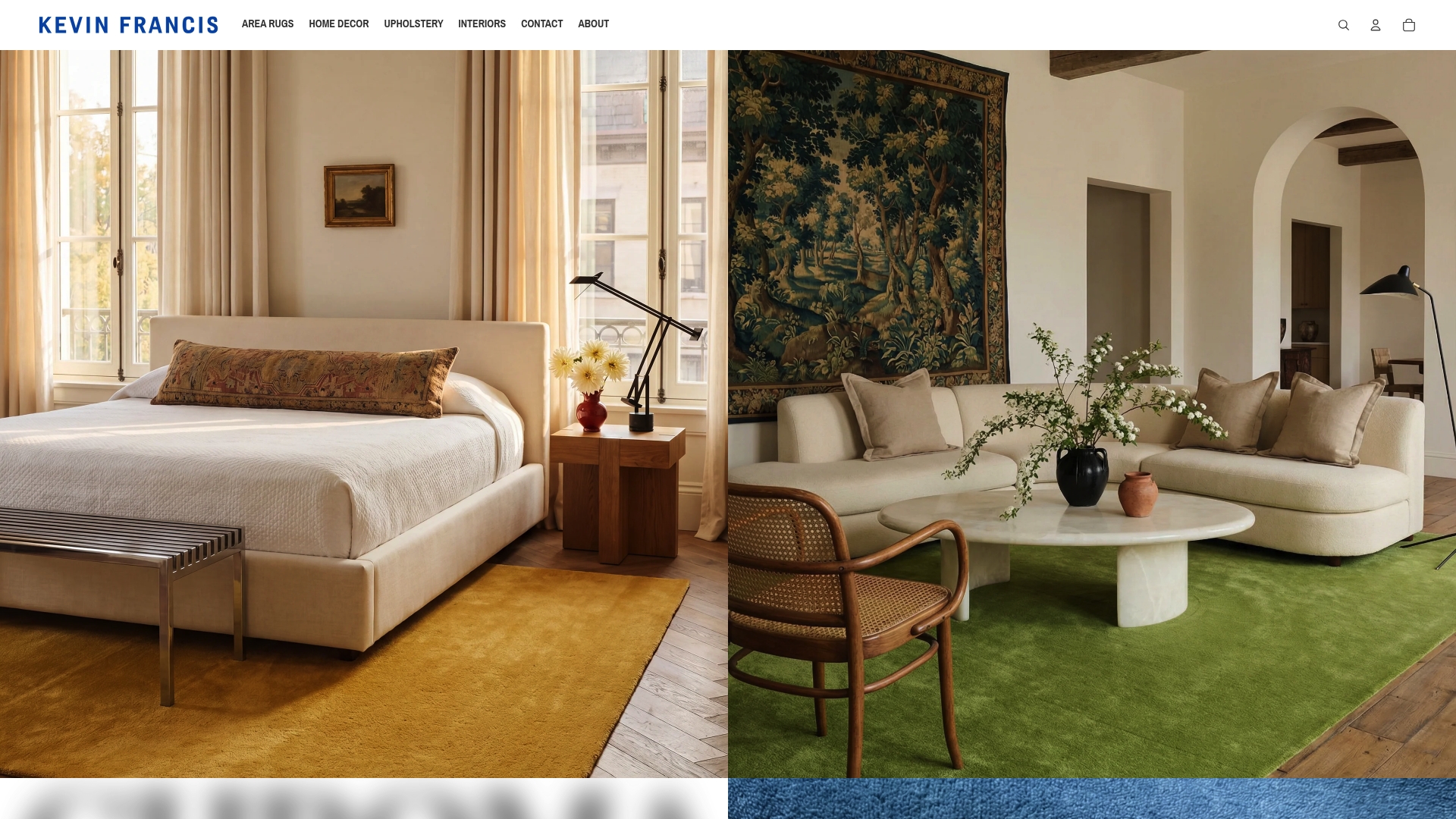
The Lotto Hand-Knotted Wool Rug exemplifies the construction standards that hold value in resale: hand-knotted wool, a documented design lineage, and the kind of visual depth that photographs beautifully and wears gracefully over decades. The Selendi Hand-Knotted Wool Rug brings the same standard of craftsmanship with a distinct character suited to both traditional and contemporary interiors. Each Kevin Francis Design piece comes with the provenance clarity that serious buyers and future sellers need.
FAQ
What is the resale market for luxury rugs?
The luxury rug resale market is the secondary trading of high-end, hand-knotted, or designer rugs through channels like auction houses, consignment dealers, and specialty platforms. Pieces retain or appreciate in value based on age, condition, materials, and provenance.
How is resale price different from insurance value for luxury rugs?
Insurance appraisals reflect retail replacement cost, which is almost always higher than what a buyer will pay in the open market. Fair market value, the figure used in resale, represents what a willing buyer pays a willing seller without pressure.
Which rug sizes sell best in the secondhand market?
Smaller and mid-sized rugs, including runners and 5x7 or 6x9 pieces, sell faster and attract more buyers than oversized room-sized rugs. Oversized pieces command higher prices but face a narrower buyer pool and higher shipping costs.
What makes a luxury rug a good investment for resale?
Hand-knotted construction, natural fibers like wool or silk, documented provenance, and strong condition grading are the four qualities that consistently support resale value appreciation. Antique rugs over 100 years old carry the highest age multipliers in formal appraisal systems.
Where is the best place to sell high-end rugs?
Specialty platforms like Chairish and 1stDibs attract the most qualified buyers for luxury pieces and support higher price points. Auction houses work best for rare antiques, while general marketplaces suit lower-priced accent rugs with broader appeal.
Recommended
- Statement Rug Styles for Luxury Interiors: 2026 Guide – Kevin Francis Design
- How to Identify a Quality Luxury Rug: Expert Guide – Kevin Francis Design
- Professional Rug Appraisal for Luxury Pieces: A Collector’s Guide – Kevin Francis Design
- Types of Luxury Area Rug Fibers: A Decorator’s Guide – Kevin Francis Design


