


Designer area rugs are defined as handcrafted, premium-grade floor textiles that function simultaneously as art, architecture, and acoustic material within a living space. Few home purchases deliver as much across as many dimensions. A well-chosen designer rug anchors furniture, softens sound, defines zones in open-plan rooms, and can appreciate in value over decades. Understanding why invest in designer area rugs means recognizing that you are not simply buying floor covering. You are acquiring a foundational design element with lasting aesthetic, functional, and financial returns.
Why invest in designer area rugs for aesthetics and function?
Designer area rugs are the hardest-working piece in any interior, affecting color, texture, acoustic comfort, and spatial organization all at once. No other single furnishing does as much. A sofa fills a corner. A lamp adds light. A rug pulls an entire room into coherence.
In open-plan homes, rugs perform a specific architectural task: they zone space without walls. A large-format rug under a dining table signals “this is the dining area” just as clearly as a partition would. Demand for extra-large artisanal rugs beyond the standard 8x10 or 9x12 foot formats has grown steadily at brands like La Manufacture Cogolin, driven by homeowners seeking cohesive room ensembles. That scale shift reflects a deeper understanding of how rugs actually work in modern interiors.
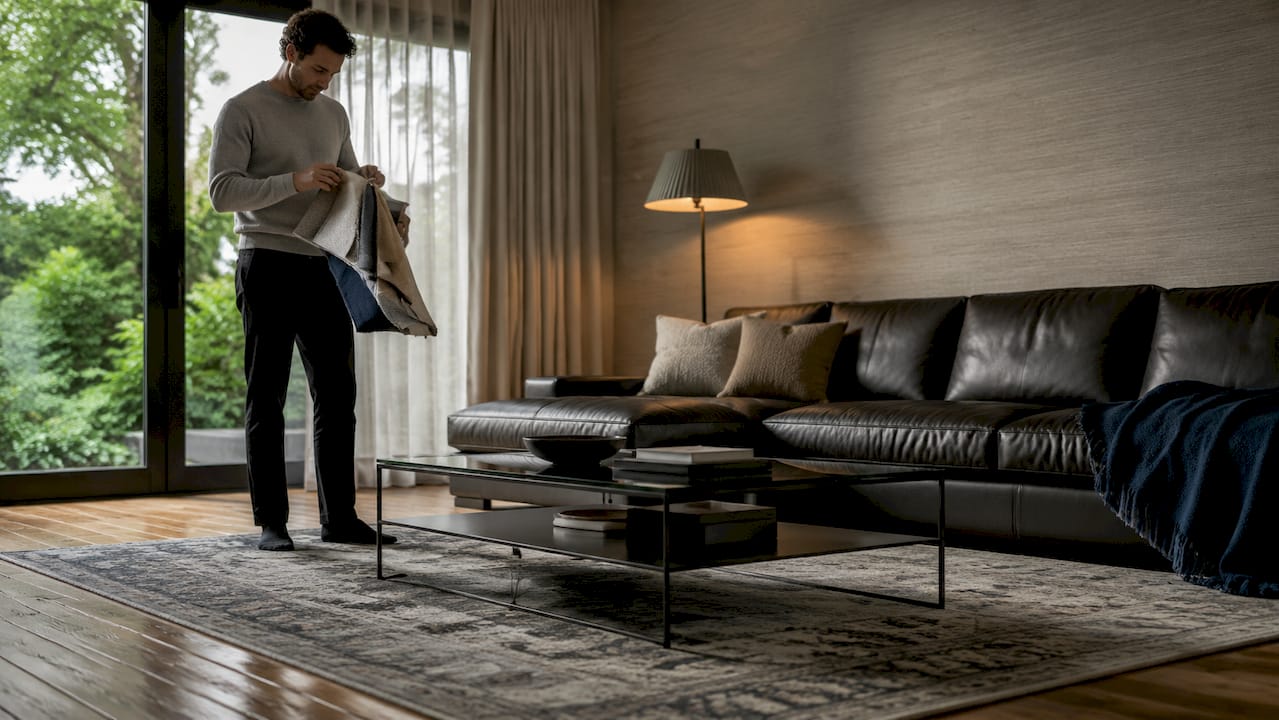
The functional benefits extend beyond the visual. Wool and silk rugs absorb sound, reducing echo in rooms with hard floors and high ceilings. They add warmth underfoot that no tile or hardwood can replicate. They also tell creative stories through pattern and color that mass-market alternatives simply cannot.
The advantages of designer rugs over standard alternatives include:
- Acoustic comfort: Natural fiber rugs absorb ambient sound, making rooms feel quieter and more intimate.
- Color layering: A painterly rug pattern introduces depth that wall color alone cannot achieve.
- Zoning power: Large-format rugs define seating and dining areas in open-plan layouts without physical barriers.
- Focal point creation: A bold geometric or animal-motif rug anchors the eye and organizes surrounding furniture.
- Lighting synergy: A rug’s texture and tone interact with natural and artificial light throughout the day, shifting the room’s mood. Luxury lighting complements area rugs in ways that amplify both elements.
Pro Tip: Place your rug before selecting your furniture arrangement. The rug’s scale and pattern will guide every other decision in the room, from sofa placement to lamp positioning.
What makes designer rugs durable and worth the investment over time?
The durability of a designer rug comes directly from its materials and construction method. Hand-knotted wool rugs, for example, use individual knots tied around warp threads, creating a structure that holds its form under decades of foot traffic. Tibetan knotting and hand-tufting techniques used by artisan studios produce a density and resilience that machine-made rugs cannot match.
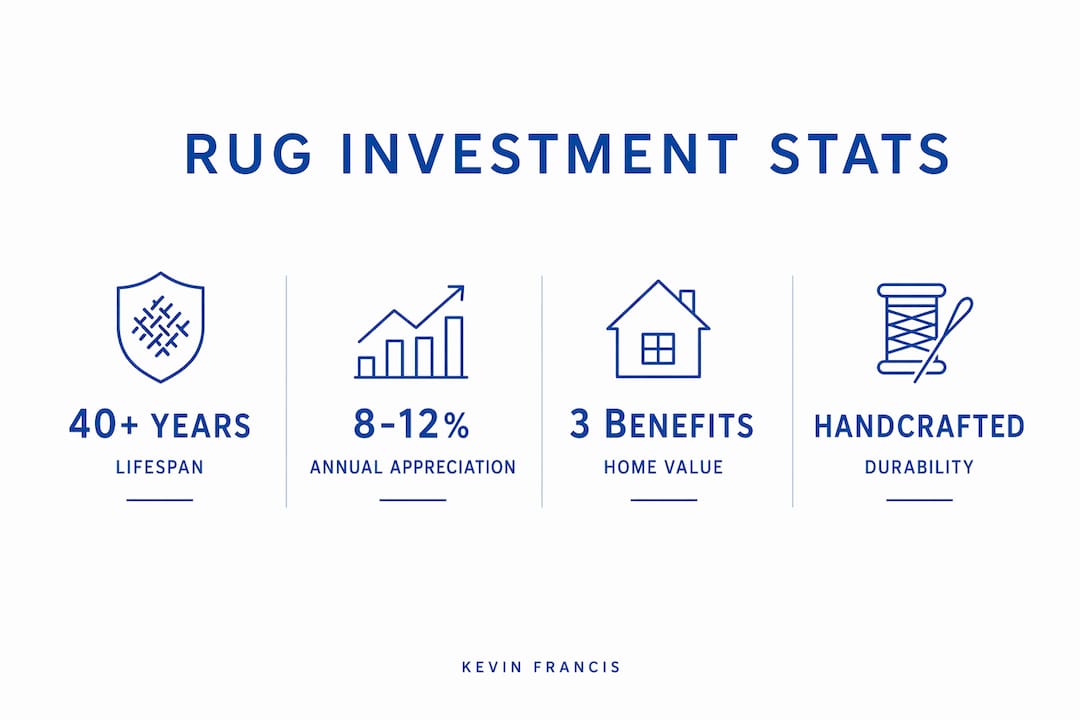
Quality designer rugs last 40–100 years with proper care. Synthetic rugs, by contrast, typically need replacement within 5–10 years. That lifespan difference reframes the cost entirely. A $4,000 designer rug that lasts 50 years costs $80 per year. A $400 synthetic rug replaced every seven years costs $57 per year but generates far more waste and delivers none of the aesthetic or investment upside.
Natural fibers like wool and silk also biodegrade at end of life. Custom rugs reduce replacement cycles and environmental waste, making them the more sustainable choice over a full ownership horizon. That matters to homeowners who think carefully about what they bring into their homes.
Maintaining a designer rug properly is straightforward:
- Rotate the rug every 12–18 months to distribute foot traffic and sun exposure evenly across the pile.
- Vacuum with a suction-only attachment to lift debris without pulling at hand-knotted fibers.
- Address spills immediately by blotting, never rubbing, to prevent fiber damage and staining.
- Schedule professional cleaning every 3–5 years to preserve structure, color, and pile height without harsh chemicals.
- Use a quality rug pad to prevent slipping, reduce wear on the backing, and add cushioning underfoot.
Pro Tip: Before buying, check the fiber type and construction of any rug you are considering. Wool and silk hold color and structure far longer than polypropylene or polyester blends.
Are designer area rugs smart financial investments?
Antique and vintage handmade rugs have historically appreciated 8–12% annually, driven by scarcity, artisan craftsmanship, and collector demand. That rate of appreciation places fine rugs alongside other tangible asset classes like art and jewelry. Not every rug appreciates, but the conditions that produce appreciation are well understood.
Demand for authentic antique rugs is driven by limited supply, global collector competition, and the irreplaceable nature of hand-knotted work. A rug woven in a specific region using a specific technique cannot be replicated at scale. That scarcity is structural, not temporary.
Designer collaborations add another layer of value. When a recognized designer applies months of creative work to a rug’s pattern and color story, the result carries intrinsic artistic merit. Designer rug collaborations deliver original artwork combined with functional home enhancements, and the hours of craftsmanship involved are reflected in both the price and the long-term desirability.
| Rug type | Investment potential | Typical lifespan | Key value driver |
|---|---|---|---|
| Hand-knotted antique wool | High appreciation potential | 100+ years | Scarcity and provenance |
| Hand-knotted designer wool | Stable to appreciating | 50–80 years | Craftsmanship and exclusivity |
| Hand-tufted wool | Moderate, stable | 20–30 years | Design and natural fiber quality |
| Machine-made synthetic | Depreciates immediately | 5–10 years | None beyond initial purchase |
“Knot density is one quality metric, but design, origin, and craftsmanship heavily influence rug value and desirability. Aesthetic innovation and artistic merit contribute significantly to value beyond purely technical measures.” — Oriental Rug Expert
The financial case for buying designer rugs is strongest when you treat the purchase as a long-term hold. Proper care, documentation of origin, and storage during periods of non-use all protect and build value over time.
How to choose the right designer area rug for your space
Choosing a designer rug well requires balancing three things: the room’s function, your personal aesthetic, and the rug’s construction quality. Getting all three right produces a piece that serves you beautifully for decades.
Size is the most common mistake homeowners make. A rug that is too small floats awkwardly in a room, disconnected from the furniture around it. The standard guidance is to choose a rug large enough that the front legs of all major seating pieces rest on it. In dining rooms, the rug should extend at least 24 inches beyond the table on all sides to accommodate pulled-out chairs. For open-plan spaces, consider rugs for high-traffic areas that balance durability with visual impact.
Pattern and color selection should follow the room’s existing palette, not fight it. A rug with a strong geometric pattern works best in a room with relatively quiet walls and furniture. A more neutral rug can carry a room where the furniture itself is the statement. The key is contrast and balance, not competition.
Key selection criteria for buying designer rugs include:
- Room traffic level: High-traffic areas like hallways and living rooms need tightly woven wool or hand-knotted construction. Bedrooms can accommodate softer, more delicate silk blends.
- Rug size relative to room: Measure the seating or dining footprint first, then add the recommended border. Never guess.
- Pattern scale: Large-scale patterns suit large rooms. Intricate small-scale patterns work better in intimate spaces where viewers are close to the floor.
- Custom versus ready-made: Custom rugs allow you to match exact dimensions, colors, and pile height to your space. Bespoke rugs reflect your identity in ways that off-the-shelf options rarely achieve.
- Exclusivity and edition size: Limited-edition and one-of-a-kind designer rugs carry stronger investment potential and greater personal distinction.
The benefits of high-quality area rugs multiply when the piece genuinely fits the space it inhabits. A rug chosen with care becomes the room’s quiet anchor, the element that makes everything else feel intentional.
Key Takeaways
Designer area rugs deliver lasting aesthetic, functional, and financial value that no other single home furnishing can match across all three dimensions simultaneously.
| Point | Details |
|---|---|
| Functional superiority | Designer rugs zone spaces, absorb sound, and anchor furniture in ways mass-market alternatives cannot. |
| Exceptional longevity | Hand-knotted wool rugs last 40–100 years, making the cost-per-year far lower than synthetic alternatives. |
| Appreciation potential | Antique and vintage handmade rugs have historically appreciated 8–12% annually with proper care. |
| Selection matters | Size, fiber type, and construction method determine both daily performance and long-term investment value. |
| Sustainability advantage | Natural fiber rugs biodegrade at end of life, reducing environmental impact over a full ownership cycle. |
The piece that earns its place every single day
I have placed a lot of rugs in a lot of rooms over the years, and the one truth that never changes is this: the rug is always the hardest decision and always the most rewarding one. Homeowners consistently underestimate what a rug does to a room. They think of it as background. It is never background.
The misconception I encounter most often is that a high price means a rug is fragile or precious. The opposite is true. A hand-knotted wool rug from a skilled artisan studio is built to be walked on, lived on, and loved for generations. The price reflects the labor, the materials, and the design intelligence that went into it. A synthetic rug at a fraction of the cost will look tired within a few years and end up in a landfill.
There is also an ethical dimension worth naming. When you buy a designer rug made with natural fibers and traditional techniques, you are supporting a craft tradition that employs skilled artisans and produces a biodegradable product. That is a different kind of value, quieter than appreciation rates but just as real.
My honest advice: spend more than you think you should on the rug, and less than you planned on everything else in the room. The rug will make the rest look better. It always does.
— Kevin O’Gara
Handcrafted rugs from Kevin Francis Design
At Kevin Francis Design, we believe a rug should be the most considered piece in any room, not the last purchase made.
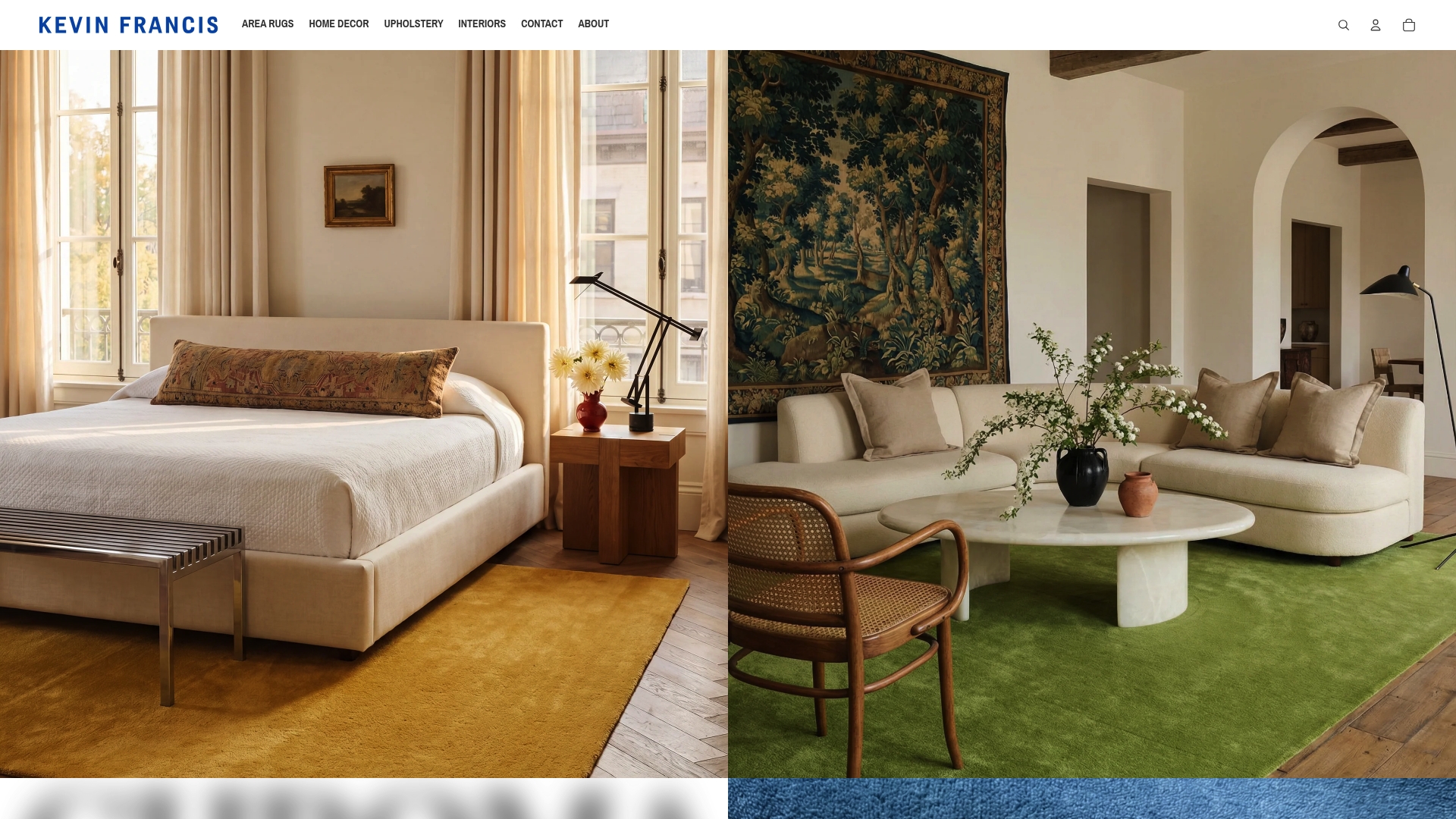
Our hand-knotted wool collection includes pieces like the Lotto, Cairene, and Selendi rugs, each woven using traditional techniques that produce a depth of color and structure no machine can replicate. These are not decorative objects. They are investments in the quality and character of your home, built to last decades and grow more beautiful with time. Each piece reflects Kevin Francis O’Gara’s creative vision, connecting artisan skill with original design to produce something genuinely worth owning.
FAQ
What makes a designer rug different from a standard rug?
Designer rugs use natural fibers like wool and silk, handcrafted construction methods, and original artistic patterns. These qualities produce a piece that lasts decades and carries aesthetic and financial value that mass-market rugs cannot match.
How long do hand-knotted wool rugs last?
Hand-knotted wool rugs last 40–100 years with proper care, including regular rotation, professional cleaning every few years, and a quality rug pad underneath.
Do designer rugs actually increase in value?
Antique and vintage handmade rugs have historically appreciated 8–12% annually. Contemporary designer rugs with limited editions, documented provenance, and high craftsmanship also hold or grow in value over time.
What size rug should I choose for my living room?
Choose a rug large enough for the front legs of all major seating pieces to rest on it. In open-plan spaces, larger formats beyond the standard 9x12 feet create better visual cohesion and zoning.
Are designer rugs a sustainable choice?
Natural fiber designer rugs made from wool or silk biodegrade at end of life and reduce replacement cycles compared to synthetic alternatives, making them the more environmentally responsible choice over a full ownership horizon.


