


Specifying rugs for high-traffic residential areas means selecting fibers, weaves, and maintenance routines that hold up under daily punishment while still expressing your home’s character. The industry term for this practice is performance rug specification, and it covers everything from pile density and fiber content to stain resistance and washability. Hallways, family rooms, entryways, and kitchens all qualify as high-traffic zones, and each demands a different balance of durability and design. Materials like wool, polypropylene, and polyester each bring distinct advantages, and understanding those differences is the first step toward a rug that looks as good in year five as it did on day one.
What materials work best for specifying rugs in high-traffic residential areas
The fiber your rug is made from determines roughly 70% of its long-term performance. No other specification decision carries more weight, so it deserves careful thought before anything else.
Natural fibers: wool and cotton
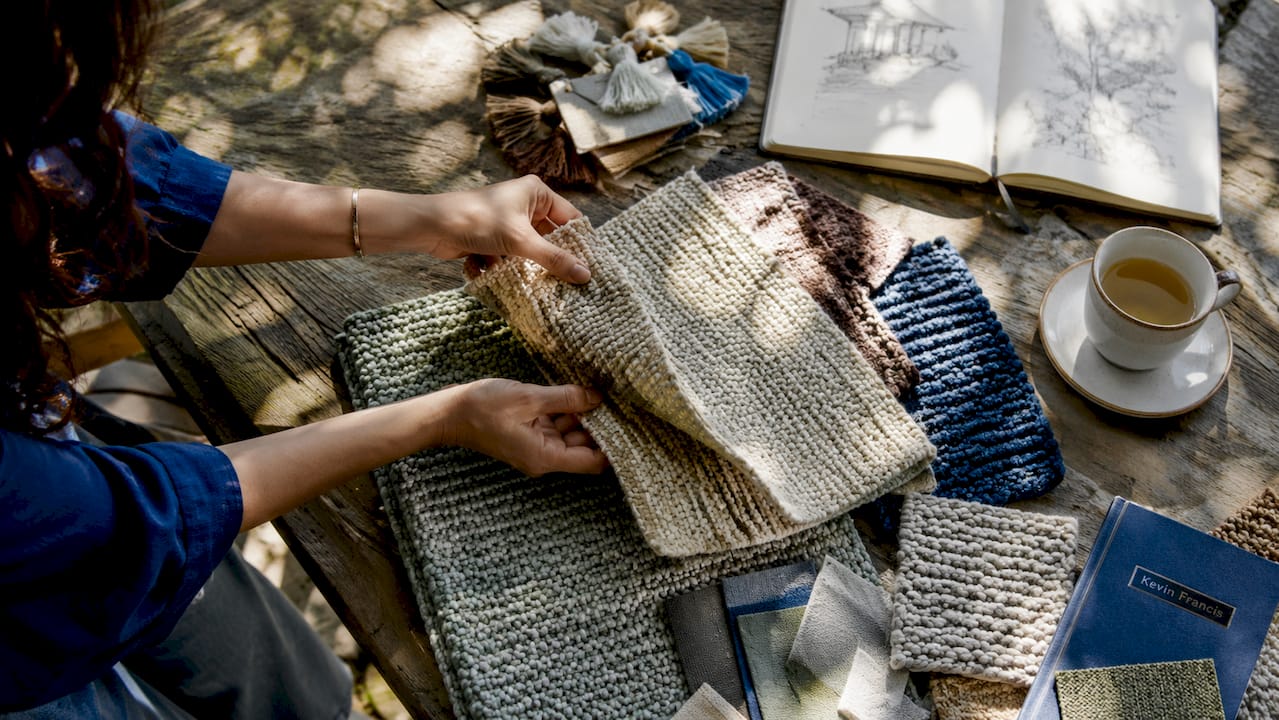
Wool rugs are naturally resilient and stain resistant, making them one of the most trusted choices for entryways and living rooms. Wool fibers have a natural crimp that allows them to spring back after compression, which means they resist the flat, matted look that plagues lesser rugs over time. The trade-off is cost and moisture sensitivity. Wool performs poorly in damp areas like mudrooms or bathrooms, and it generally requires professional cleaning rather than a quick machine wash. Cotton rugs are softer and more affordable, but they lack wool’s resilience and tend to show wear more quickly under heavy foot traffic.
Synthetic fibers: polypropylene, polyester, and nylon
Polypropylene and polyester rugs are ideal for high-traffic areas because they resist stains, tolerate moisture, and can be hosed down for cleaning. This makes them the practical choice for families with young children or pets. Recycled PET polyester adds a sustainability dimension without sacrificing performance. Nylon sits at the premium end of the synthetic spectrum, offering superior abrasion resistance and a softer feel than polypropylene, though at a higher price point. For the best rugs in busy homes, synthetic fibers often deliver the most forgiving day-to-day experience.
| Fiber | Durability | Stain resistance | Washability | Best for |
|---|---|---|---|---|
| Wool | Excellent | Good (natural lanolin) | Dry clean or spot clean | Living rooms, formal areas |
| Polypropylene | Very good | Excellent | Hose down or machine wash | Entryways, kitchens, playrooms |
| Polyester (PET) | Good | Excellent | Machine washable | Family rooms, kids’ spaces |
| Nylon | Excellent | Very good | Spot clean or professional | High-wear hallways, stairs |
| Cotton | Moderate | Moderate | Machine washable | Low-traffic accents |
Pro Tip: If you want the warmth and beauty of a natural fiber with easier maintenance, look for rugs that blend wool with a small percentage of nylon. The nylon reinforces the pile without changing the visual character of the weave.
For a deeper look at how luxury fibers compare across performance and aesthetic criteria, the fiber guide at Kevin Francis Design offers a decorator’s perspective that goes well beyond the basics.
How pile height and weave type affect durability and cleaning ease
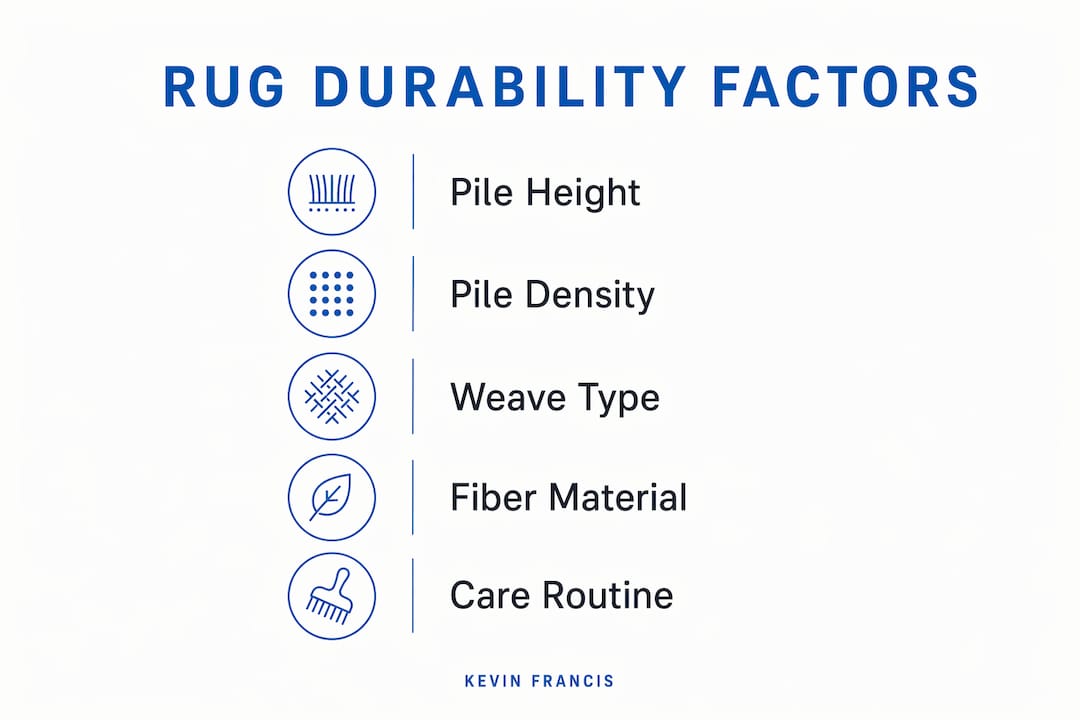
Construction is the second pillar of performance rug specification. Two rugs made from identical fiber can perform very differently depending on how they are built.
Low-pile, tight-weave rugs handle foot traffic better than high-pile plush rugs because they resist matting and are far easier to clean. A low pile of roughly 0.25 to 0.5 inches keeps dirt on the surface rather than trapping it deep in the fibers, which means a standard vacuum pass actually removes the debris rather than just redistributing it. High-pile rugs feel luxurious underfoot, but in a hallway or family room they become dirt reservoirs within weeks.
Weave type shapes both the rug’s lifespan and its cleaning demands:
- Flatweave rugs have no pile at all, making them the easiest to clean and the fastest to dry. Flat-weave and low-pile rugs dry faster than thick plush options, a real advantage in spill-prone kitchens and dining rooms.
- Hand-knotted rugs are the most durable construction available. Each knot is tied individually, creating a structure that can last generations with proper care. The Tibetan knotting technique produces particularly dense, resilient pile that holds its form under sustained pressure.
- Hand-tufted rugs offer a middle ground: faster to produce than hand-knotted pieces and more textured than flatweaves, though the latex backing used in tufting can degrade over time.
- Machine-made rugs deliver consistent pile density at accessible price points, making them a practical choice for secondary rooms or rental properties.
For specific rooms, the guidance is fairly clear. Kitchens and hallways benefit most from flatweave or low-pile machine-made rugs in synthetic fibers. Living rooms can support a hand-knotted wool piece with a medium pile, provided you vacuum regularly. Children’s playrooms call for washable, low-pile synthetics that tolerate both spills and frequent cleaning cycles.
Pro Tip: Pile density matters as much as pile height. A rug with a dense, tightly packed pile at 0.4 inches will outperform a loosely woven rug at 0.25 inches. Run your fingers through the pile and press down. If you can easily see the backing, the construction is too open for heavy use.
Best practices for caring for rugs in high-traffic home areas
Even the most durable rug for high-traffic rooms will deteriorate prematurely without a consistent care routine. The good news is that the most effective practices are also the simplest.
Vacuuming frequently and spot cleaning spills immediately are the two highest-impact habits for protecting rugs in busy areas. Vacuuming at least twice a week in true high-traffic zones prevents grit from working its way into the pile and cutting fiber strands from below. Spot cleaning within minutes of a spill prevents the liquid from wicking deeper into the pile and setting as a stain.
A complete maintenance routine for durable area rugs in family homes looks like this:
- Vacuum twice weekly in hallways, entryways, and family rooms. Use a suction-only setting for hand-knotted and hand-tufted rugs to avoid damaging the pile with a beater bar.
- Spot clean spills immediately using a clean white cloth and cold water. Blot, never rub. For protein-based stains like food or pet accidents, a diluted enzyme cleaner works without damaging most fibers.
- Rotate the rug every six months to distribute wear evenly. Areas directly in front of sofas and doorways receive disproportionate foot traffic, and rotation prevents those zones from wearing thin while the rest of the rug remains pristine.
- Use a quality rug pad. Non-slip rug pads reduce wear by preventing movement and cushion impact in busy areas. On hardwood or laminate floors, a pad also prevents the rug from sliding, which is a genuine safety concern in hallways.
- Deep clean annually using a professional service for wool and hand-knotted pieces, or a commercial washing machine for large synthetic washable rugs.
On the subject of washable rugs: they are genuinely practical for homes with children and pets, but they come with a size constraint that most buyers discover too late. Large washable rugs over roughly 8 by 10 feet may not fit standard residential washers and often require commercial machines or outdoor washing. Plan your cleaning method before you buy, not after.
Pro Tip: Place a secondary entrance mat just inside your front door in addition to your main area rug. This two-layer approach captures the bulk of tracked-in dirt before it reaches the rug’s pile, cutting your vacuuming frequency in half.
For pet owners specifically, choose rugs with a tight, low pile and a fiber that resists odor absorption. Polypropylene and solution-dyed polyester are both odor-resistant and can tolerate the enzyme cleaners needed for pet accidents without color loss.
How to choose and place rugs that balance style with durability
The most beautiful rug in a showroom can look tired and worn within a year if it is placed incorrectly or chosen without regard for the room’s traffic patterns. Thoughtful placement is as important as fiber selection when choosing rugs for busy areas.
Colors and patterns that conceal light wear extend the visual lifespan of rugs in active spaces. Mid-tone colors in warm earthy ranges, charcoal, or deep jewel tones hide everyday dust and minor staining far better than pale neutrals or stark white. Geometric patterns, organic motifs, and painterly abstract designs all break up the visual field in ways that make minor wear essentially invisible. A rug with a single solid color in a pale shade will show every footprint and fiber compression within weeks.
Sizing and placement decisions follow a few reliable principles:
- In living rooms, size the rug so that at least the front legs of all major seating pieces rest on it. This anchors the furniture grouping and distributes foot traffic across a wider surface area.
- In hallways, choose a runner that leaves two to three inches of floor visible on each side. A runner that is too narrow concentrates all traffic in a thin central strip and wears unevenly.
- In dining rooms, the rug should extend at least 24 inches beyond the table edge on all sides so that chairs remain on the rug when pulled out. Chairs dragging on and off a rug edge cause rapid fiber damage at that boundary.
- In entryways, opt for a smaller, easily replaceable piece in a washable synthetic. This is the highest-traffic zone in most homes, and treating it as a consumable rather than an investment piece is a practical strategy.
| Placement zone | Recommended strategy | Durability benefit |
|---|---|---|
| Entryway | Washable synthetic, low pile | Easy replacement and cleaning |
| Hallway | Runner with non-slip pad, tight weave | Even wear distribution |
| Living room | Wool or wool-blend, medium pile | Resilience with visual warmth |
| Dining room | Flatweave or low pile, stain-resistant fiber | Easy cleaning after spills |
| Children’s room | Machine-washable polyester | Tolerates frequent washing |
For families who want artisan quality without sacrificing practicality, building a layered rug collection allows you to place investment pieces in lower-traffic zones while using durable, washable options in the busiest rooms. This approach lets you live with genuinely beautiful rugs throughout your home without the anxiety of watching a treasured piece deteriorate under daily use.
Key takeaways
Specifying rugs for high-traffic residential areas requires matching fiber content, pile construction, and maintenance routines to the specific demands of each room.
| Point | Details |
|---|---|
| Fiber choice is foundational | Wool excels in living rooms; polypropylene and polyester suit wet or heavily soiled zones. |
| Low pile outperforms high pile | Tight, low-pile construction resists matting, hides dirt less, and cleans far more easily. |
| Rug pads extend lifespan | Non-slip pads prevent movement-related wear and protect both the rug and the floor beneath. |
| Washable rugs have size limits | Rugs over 8 by 10 feet often require commercial washers or outdoor cleaning methods. |
| Pattern and color conceal wear | Mid-tone, patterned rugs maintain a fresh appearance far longer than pale solid-color options. |
What I’ve learned from years of designing rugs for real homes
The most common mistake I see homeowners make is treating durability and beauty as opposing forces. They buy a gorgeous hand-knotted wool piece for the hallway, feel guilty every time someone walks on it, and eventually relegate it to a bedroom where it is barely seen. That is a waste of a beautiful object and a misunderstanding of what good rug construction actually delivers.
A well-made hand-knotted wool rug, properly maintained, will outlast virtually any synthetic alternative. The key word is properly. That means a quality rug pad underneath, vacuuming without a beater bar, and professional cleaning every year or two rather than a machine wash. Wool’s natural lanolin provides genuine stain resistance for everyday spills. The fiber does not need to be coddled. It needs to be understood.
Where I do advocate strongly for washable synthetic rugs is in entryways and children’s rooms. These spaces see a quality of mess that no natural fiber should be asked to absorb repeatedly. A well-designed polypropylene or PET polyester rug in these zones is not a compromise. It is the correct specification. Save your artisan pieces for the living room, the dining room, and the spaces where they will be seen and appreciated rather than simply endured.
The other thing I would tell any homeowner is to think about pattern more deliberately. A painterly, multi-tonal design does not just look beautiful. It works harder for you by concealing the inevitable signs of a life well lived. Some of the most practical rugs I have ever designed are also the most visually complex, and that is not a coincidence.
— Kevin O’Gara
Discover Kevin Francis Design’s hand-knotted wool rugs
If you are ready to invest in a rug that brings both artisan beauty and genuine durability to your home, the Lotto Hand-Knotted Wool Area Rug from Kevin Francis Design is worth your attention. Hand-knotted in wool using traditional techniques, it offers the resilience and stain resistance that high-traffic living rooms demand, wrapped in a design that draws from modernist art and geometric tradition.
Kevin Francis Design also offers custom rug design services for clients who want a piece built precisely around their space, their palette, and their household’s real demands. Browse the full collection at Kevin Francis Design and find the rug that works as hard as it looks.
FAQ
What are the best rug materials for high-traffic rooms?
Wool is the most durable natural fiber for high-traffic living rooms and entryways, while polypropylene and polyester offer superior stain resistance and washability for kitchens, playrooms, and mudrooms. The right choice depends on the room’s moisture level and cleaning requirements.
How often should I vacuum a rug in a busy home?
Vacuum high-traffic rugs at least twice a week to prevent grit from cutting fiber strands from below. Use a suction-only setting on hand-knotted or hand-tufted rugs to protect the pile.
Can large washable rugs be machine washed at home?
Large washable rugs at 8 by 10 feet and above often exceed the capacity of standard residential washing machines and may require a commercial laundromat machine or outdoor hose washing instead.
What pile height works best for high-traffic areas?
Low-pile rugs between 0.25 and 0.5 inches resist matting, trap less dirt, and clean more easily than high-pile options. Low-pile knotted rugs also tend to have longer lifespans in heavy-use zones.
How do I choose a rug color that hides wear in a busy room?
Mid-tone colors in warm earthy tones, charcoal, or deep jewel shades conceal everyday dust and minor staining far better than pale neutrals. Rugs with multi-tonal patterns or organic motifs hide light wear almost entirely, extending the rug’s visual freshness between deep cleans.


