


Luxury rug provenance documentation is the process of assembling, verifying, and maintaining records that prove a rug’s authenticity, origin, and ownership history. Collectors and interior designers who skip this step risk overpaying for misattributed pieces or losing resale value when questions arise. The industry term for this body of records is “provenance,” and it covers everything from original bills of sale to fiber analysis reports. This guide walks you through every layer of high-end rug documentation, from the papers you need to the archival habits that protect your investment for decades.
What documents make up luxury rug provenance?
Comprehensive provenance for a luxury rug is built from multiple document types, each serving a distinct purpose. No single certificate confirms authenticity on its own. The strongest files combine ownership records, physical evidence, and third-party verification into a coherent chain of custody.
The core documents every collector should gather include:
- Original bills of sale and dealer invoices. These establish the first transfer of ownership and confirm the seller’s identity and location.
- Prior ownership records. A written history of each owner, with dates, adds credibility and cultural context to the rug’s story.
- High-resolution photographs. Visual provenance records function like product storytelling, increasing confidence in authenticity and ethical sourcing. Photographs should cover the full front, the back, close-ups of edges and fringe, knot structure, and any labels or stamps, with a ruler or common object included for scale.
- Condition and conservation reports. A detailed written condition report covering moth damage, pile loss, and repairs is a non-negotiable for pieces above a few hundred dollars. This document protects both buyer and seller.
- Auction records and exhibition catalogs. Appearances at major auction houses or museum exhibitions add prestige and verifiable history to a rug’s record.
- Certificates of authenticity. These are most credible when issued by an independent appraiser rather than the selling dealer.
- Export and import paperwork. For rugs sourced internationally, customs documentation confirms legal transfer across borders and supports origin claims.
- Fiber and dye analysis reports. Accredited laboratory analysis can confirm natural versus synthetic dyes and identify fiber types, which helps date a rug and detect anachronistic materials.
Pro Tip: Ask every seller for a written provenance summary before purchase. If they cannot produce one, treat that gap as a red flag and commission an independent appraisal before committing.
Provenance also preserves cultural integrity. Documenting a rug’s story safeguards the legacy of the artisan communities who created it, not just the financial interests of the current owner.
How do you verify luxury rug authenticity?
Verification is the active counterpart to documentation. Owning papers is not enough. You need to confirm those papers are accurate and consistent with the physical object in front of you.
Follow these steps to conduct a thorough rug provenance verification:
- Request a written provenance summary from the seller. Compare the names, dates, and locations listed against any physical labels, stamps, or markings on the rug itself.
- Cross-check auction databases. Auction records at Sotheby’s or Christie’s are critical verification tools. Search by rug description, approximate date, or prior owner name to confirm prior sales.
- Commission an independent appraisal. Independent appraisals by trained rug conservators confirm age, materials, and alterations. Written reports from these professionals are crucial for insurance and resale purposes.
- Evaluate the condition report carefully. Look for documented repairs, re-weaving, or re-dyeing. Aggressive restoration can diminish value significantly, and undisclosed work is a serious authenticity concern.
- Check for anachronistic materials. Synthetic dyes were not widely used in hand-knotted rugs before the late 19th century. If a rug is claimed to be older but shows synthetic dye signatures, the dating is likely wrong.
- Confirm guarantees and return policies. Reputable dealers back their provenance claims with written guarantees. A seller who refuses to offer a return window tied to authenticity is signaling low confidence in their own documentation.
Pro Tip: When reviewing a condition report, pay particular attention to any mention of re-dyeing. Restoration documentation should always include before-and-after photographs and invoices. Without these, the report is incomplete.
Understanding how to identify a quality luxury rug at the physical level makes verification far more reliable. Knot density, fiber quality, and dye depth are all markers that trained eyes can read alongside the paper record.
Best practices for archiving provenance records
A provenance archive is only as good as its organization and upkeep. Scattered documents, faded photographs, and incomplete records undermine the very trust they are meant to build.
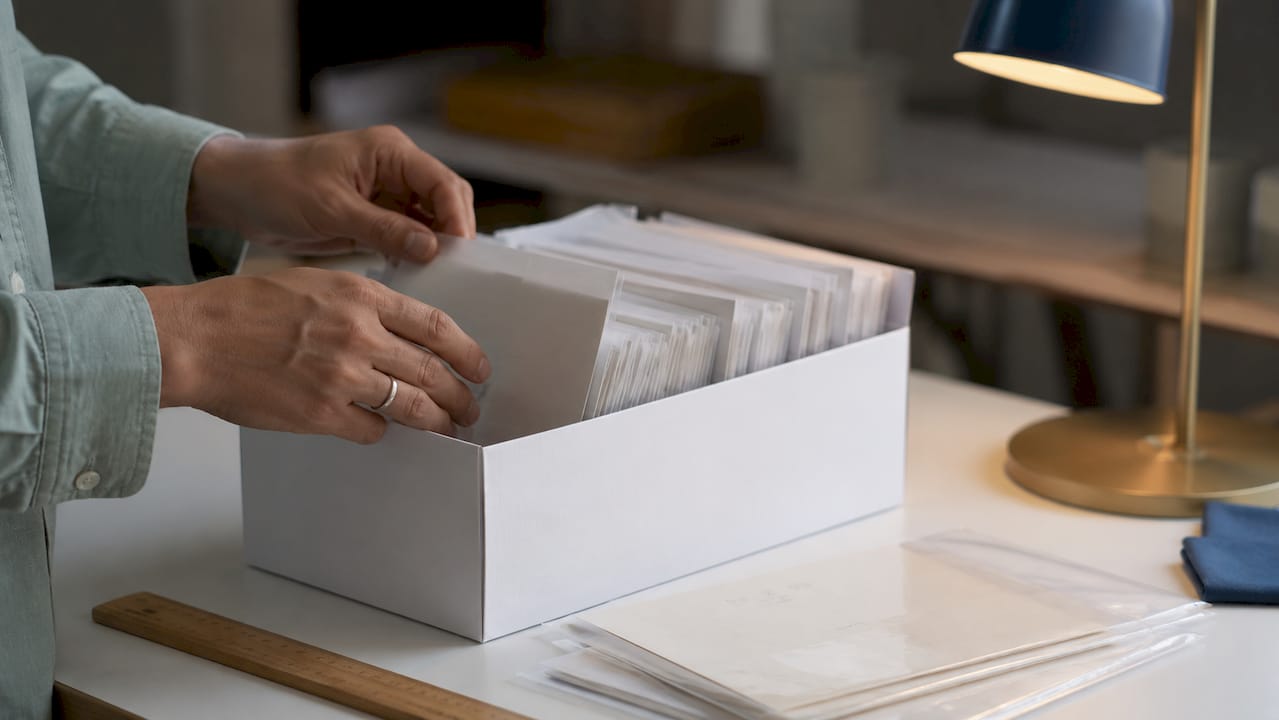
Physical storage requires acid-free paper, Mylar sleeves, and buffered archival boxes. These materials prevent chemical degradation that can destroy paper records over decades. Store archives in a cool, dry location away from direct sunlight, which fades both photographs and ink.
Digital records are an equally important layer. Modern digital provenance records enhance security, reduce forgery risk, and allow quick authenticity verification. Scan every document at high resolution and store copies in at least two separate locations, such as a cloud service and an external hard drive.
| Storage method | Best for | Key requirement |
|---|---|---|
| Acid-free archival boxes | Original paper documents | Buffered materials, cool and dry environment |
| Mylar sleeves | Photographs and certificates | UV-resistant, sealed edges |
| High-resolution digital scans | All documents | Minimum 600 DPI, backed up in two locations |
| Cloud storage | Digital copies | Encrypted, access-controlled account |
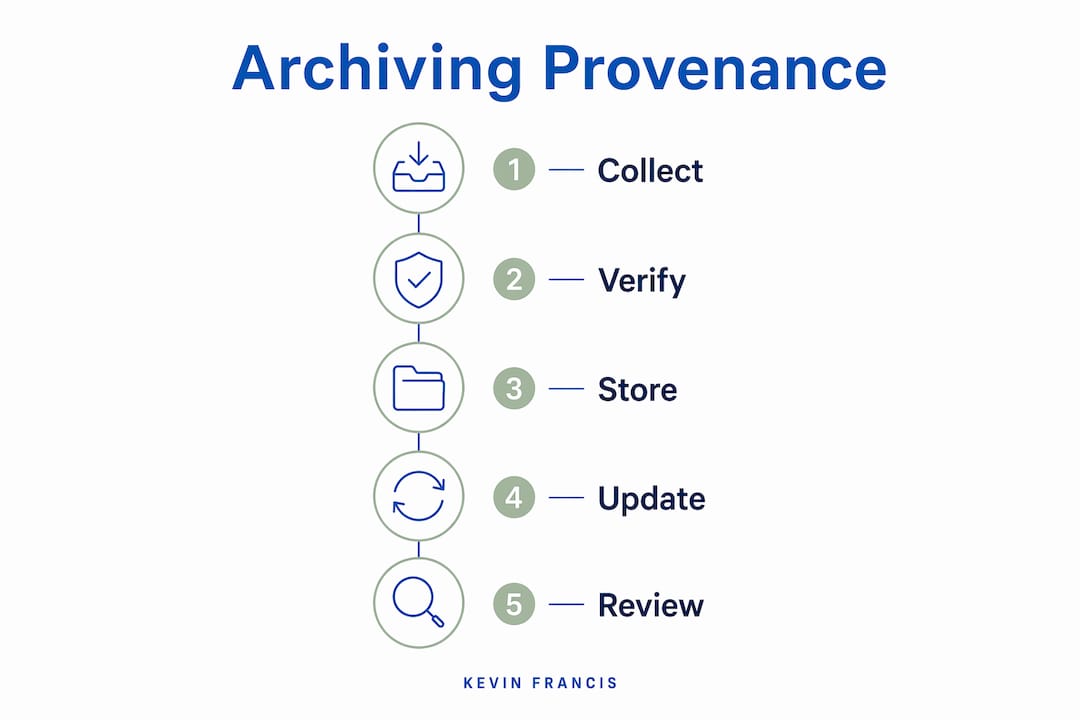
Provenance archives should be updated annually or following any professional cleaning or restoration. This habit preserves both cultural and financial value over time. After any conservation work, add before-and-after photographs, the conservator’s invoice, and a written description of the work performed.
Pro Tip: Create a single master document for each rug that lists every item in its archive, with dates and file names. This index makes the archive usable and prevents gaps from going unnoticed for years.
Collectors who treat provenance as a living record rather than a one-time purchase task protect their pieces far more effectively. For guidance on building an artisan rug collection, a structured archival approach is one of the first habits worth developing.
Common mistakes that weaken rug provenance records
Poor provenance documentation is more common than most collectors realize. 60% of rug disputes arise from poor provenance records. Gaps and inconsistencies are the primary cause, and most are avoidable.
The most frequent mistakes include:
- Incomplete ownership records. A chain of custody with missing links raises immediate questions about where a rug was during those gaps and why the gap exists.
- Missing photographic evidence. A file without images of the back, edges, and knot structure cannot support a credible authenticity claim.
- Omitting condition reports. Skipping this document is the single most common error in private collections. Without it, any damage or repair history is unverifiable.
- Accepting unverifiable provenance claims. Verbal assurances from a seller carry no legal or market weight. Every claim needs a paper trail or third-party confirmation.
- Neglecting updates after restoration. A rug that has been cleaned or repaired without updated documentation effectively has a gap in its record from that point forward.
- Failing to cross-check against recognized databases. Provenance papers that have never been verified against auction records or museum catalogs offer far weaker protection than those that have.
“Sellers who provide comprehensive documentation and full transparency invest in buyer trust. That investment is what separates a professional transaction from a gamble.”
The most dangerous mistake is treating provenance as a formality rather than a foundation. A rug’s story is part of its value, and an incomplete story diminishes both.
Key Takeaways
Provenance documentation is the single most reliable tool for verifying luxury rug authenticity, protecting financial value, and preserving the cultural legacy of artisan craftsmanship.
| Point | Details |
|---|---|
| Build a complete document chain | Gather bills of sale, condition reports, photographs, and export papers for every piece. |
| Verify independently | Commission a trained rug conservator or appraiser to confirm age, materials, and alterations. |
| Archive with archival-grade materials | Use acid-free boxes, Mylar sleeves, and high-resolution digital scans stored in two locations. |
| Update records after any work | Add before-and-after photos and invoices after every cleaning or restoration. |
| Cross-check auction databases | Search Sotheby’s, Christie’s, or museum catalogs to confirm prior sales and ownership claims. |
Why provenance is the most undervalued part of rug collecting
I have spent years working with handmade rugs, and the pattern I see most often is this: collectors invest deeply in the physical beauty of a piece and almost nothing in its paper record. They buy a magnificent Tibetan-knotted rug, hang it in a beautiful room, and never think about documentation until they want to sell or insure it. By then, the gaps are expensive to fill and sometimes impossible to close.
What I have come to believe is that provenance is not just a financial safeguard. It is an act of respect for the artisans who made the piece. When you document a rug’s origin, you preserve the name of the weaving community, the techniques used, and the cultural moment the rug represents. That story adds depth to the object that no amount of visual beauty can replace on its own.
The practical side matters too. A rug with a clean, well-maintained provenance archive commands stronger prices at resale and attracts more serious buyers. Interior designers who can present clients with full documentation for every piece in a collection build a level of trust that is genuinely rare in this market.
My advice to collectors and designers is simple: treat documentation as part of the purchase, not an afterthought. Budget time and resources for an independent appraisal on any significant acquisition. Keep a living archive. Update it. The rugs you care for most deserve a record as carefully crafted as the pieces themselves.
— Kevin O’Gara
Kevin Francis Design and documented luxury rugs
Kevin Francis Design brings the same care to provenance that goes into every stitch of its handmade collections. Each piece in the Kevin Francis Design catalog reflects a commitment to transparent craftsmanship, from the Tibetan knotting techniques used in signature wool rugs to the hand-tufting methods behind geometric statement pieces.
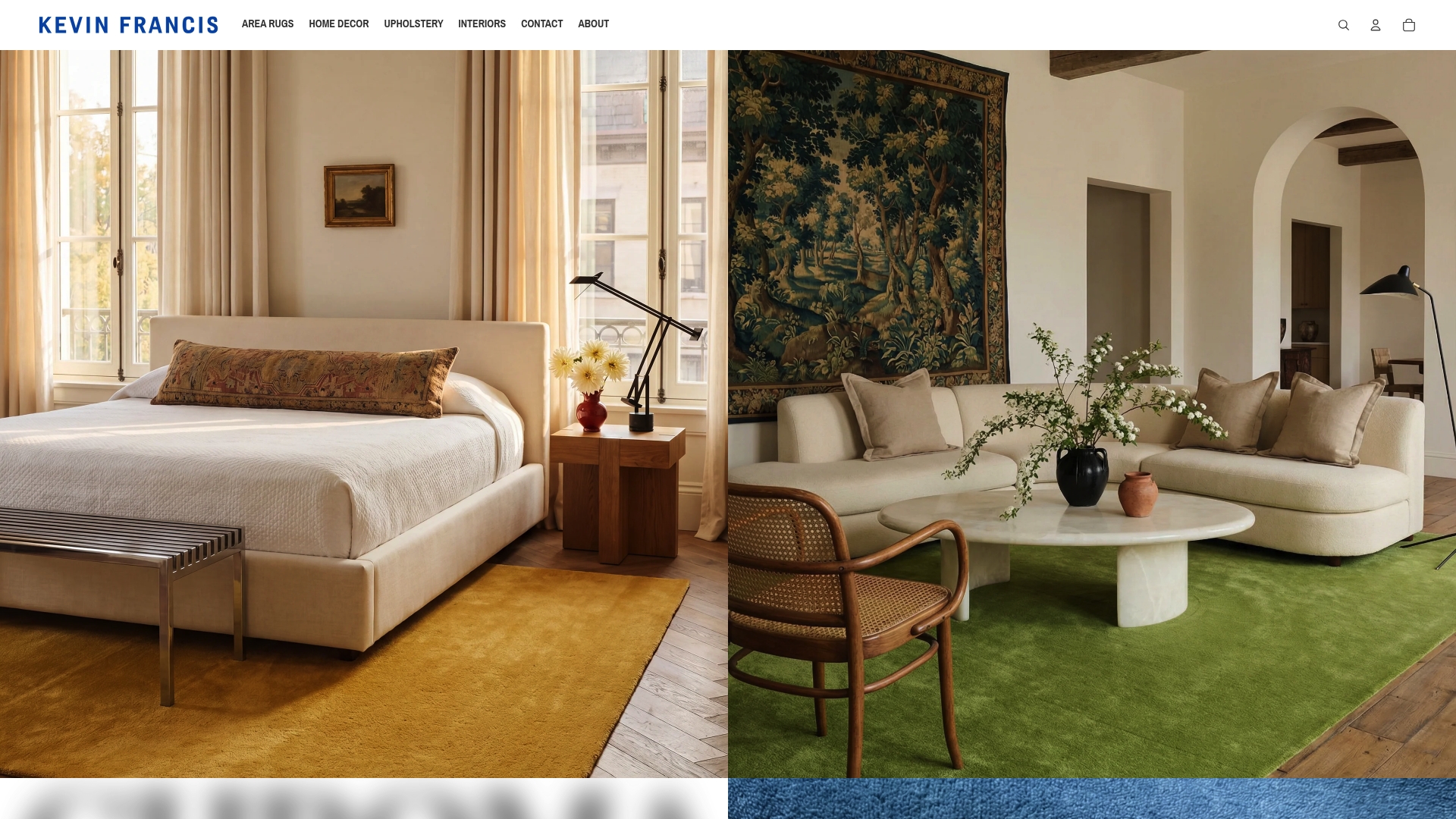
For collectors and designers who want both beauty and confidence, the Lotto Hand-Knotted Wool Area Rug offers documented quality and artisan origin in a single extraordinary piece. Those drawn to geometric precision will find the same integrity in the Anatolia Hand-Tufted Maze Rug. Browse the full collection or reach out directly for personalized guidance on selecting and documenting your next acquisition.
FAQ
What is luxury rug provenance documentation?
Luxury rug provenance documentation is the collection of records that prove a rug’s origin, ownership history, and condition over time. It includes bills of sale, condition reports, photographs, auction records, and certificates of authenticity.
How do I verify a luxury rug’s provenance?
Request a written provenance summary from the seller, cross-check prior sales against auction databases like Sotheby’s or Christie’s, and commission an independent appraisal from a trained rug conservator to confirm age and materials.
What documents are most important in a rug provenance file?
The most critical documents are the original bill of sale, a detailed condition report covering damage and repairs, high-resolution photographs of the front and back, and any export or import paperwork for internationally sourced pieces.
How often should I update my rug’s provenance records?
Provenance archives should be updated annually and immediately after any professional cleaning or restoration, with before-and-after photographs and the conservator’s invoice added each time.
Does provenance documentation affect a rug’s resale value?
A well-maintained provenance archive directly supports higher resale prices and attracts more serious buyers. Gaps or inconsistencies in ownership records are among the leading causes of rug valuation disputes.
Recommended
- Statement Rug Styles for Luxury Interiors: 2026 Guide – Kevin Francis Design
- How to Identify a Quality Luxury Rug: Expert Guide – Kevin Francis Design
- Professional Rug Appraisal for Luxury Pieces: A Collector’s Guide – Kevin Francis Design
- Types of Luxury Area Rug Fibers: A Decorator’s Guide – Kevin Francis Design


