


Handmade rugs are one of the most underestimated tools for increasing a home’s perceived market value and sale price. Staging a home with the right artisan rug can contribute a 1%–10% increase in final sale price, which translates to $5,000–$50,000 on a $500,000 home. That impact does not come from the appraisal. It comes from buyer psychology, emotional connection, and the visual authority a well-chosen rug brings to any room. Understanding why handmade rugs increase home value means understanding how buyers make decisions, and how staging shapes those decisions before a single offer is written.
How do handmade rugs influence buyer perception and staging ROI?
Buyers make emotional decisions first and rational ones second. A handmade rug anchors a room with warmth, texture, and a sense of curated living that mass-produced decor simply cannot replicate. Luxury staging professionals describe this as engineering desirability, using tactile and visual elements to signal move-in readiness and defend the list price against negotiation.
The financial case for staging is well established. Staged homes sell up to 73% faster than unstaged ones, closing in 23–28 days compared to 60–90 days for unstaged properties. Faster sales mean fewer carrying costs, fewer price reductions, and stronger negotiating positions for sellers. A handmade rug, placed correctly, is one of the most cost-effective ways to produce that result.
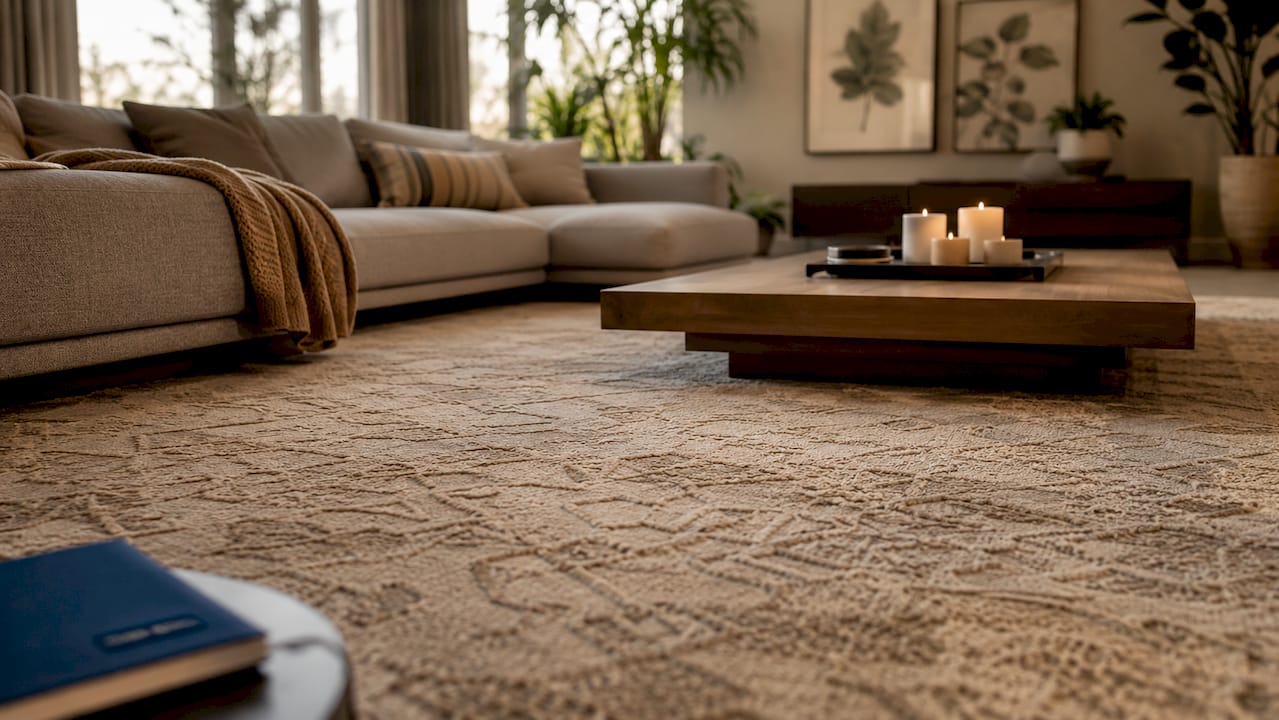
The staging ROI figures are striking. Professional staging ROI can exceed 500%, outpacing many remodeling projects that cost far more and take far longer. That figure reflects the cumulative effect of all staging elements, and rugs consistently rank among the highest-impact pieces because they define scale, soften acoustics, and give buyers a lifestyle image to attach to.
Here is what handmade rugs specifically contribute to buyer perception:
- Warmth and comfort: Natural wool and hand-knotted fibers create a tactile richness that photographs beautifully and feels luxurious underfoot during showings.
- Room definition: In open floor plans, a rug creates visual zones that help buyers understand how to live in the space.
- Acoustic softening: Hard floors echo. A quality rug absorbs sound and makes a room feel settled and calm, not hollow.
- Perceived quality: Artisan craftsmanship signals that the home has been cared for with intention, which buyers translate into trust.
Pro Tip: Stage with the rug before listing photographs are taken. Listing photos drive online clicks, and online clicks drive showings. A beautiful rug in a hero shot can meaningfully increase the number of buyers who schedule a visit.
Why rugs don’t affect official appraisals, and what actually does
Appraisals and sale prices are related but not the same thing. Appraisers focus solely on fixed structural elements, square footage, mechanical systems, and recent comparable sales in the neighborhood. Rugs are personal property. They leave with the seller, so they never appear in an appraisal report.
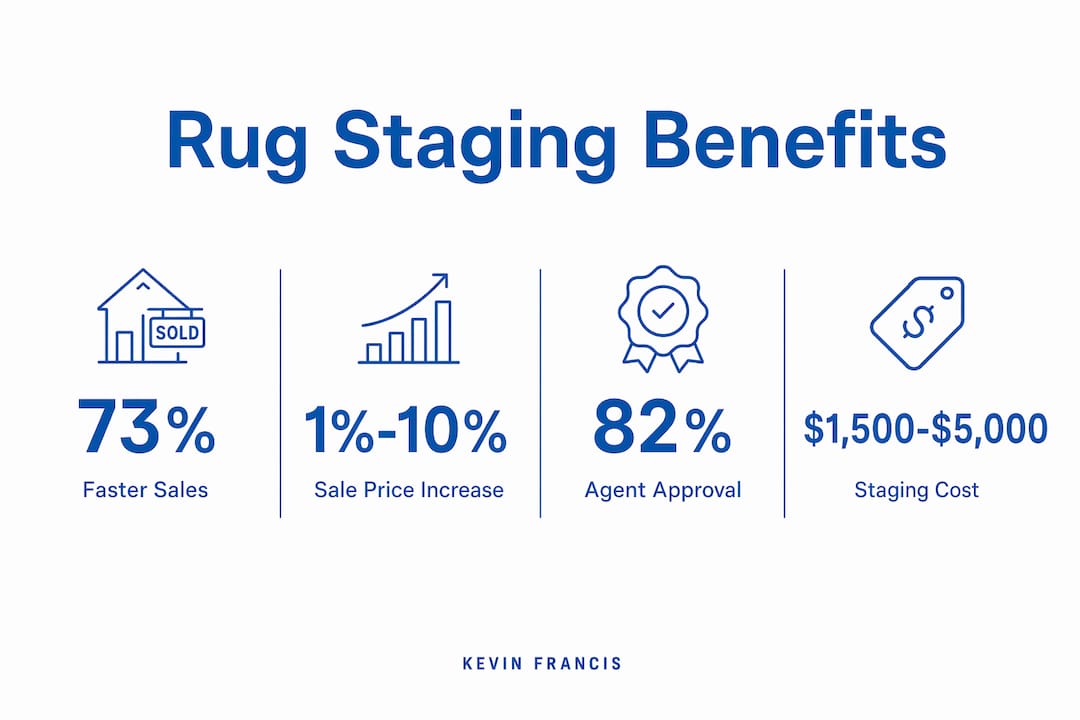
This distinction matters for homeowners and investors who want to allocate pre-sale budgets wisely. Staging, including artisan rugs, drives the sale price up by attracting stronger offers and reducing days on market. Appraisals, by contrast, respond to structural and mechanical improvements. The two levers work together but operate independently.
The features that directly drive appraisal value are:
- Kitchen and bathroom upgrades: Updated fixtures, countertops, and cabinetry produce measurable appraisal increases.
- Roof condition: A roof in good repair removes a major buyer objection and supports a higher appraised value.
- HVAC systems: Modern, functioning heating and cooling systems are appraiser priorities.
- Square footage and layout: Finished square footage, bedroom count, and usable floor plan all factor directly into the appraisal calculation.
- Comparable sales: Recent sales of similar homes in the same area set the ceiling for any appraisal.
Staging complements these structural investments. A renovated kitchen shown in a beautifully staged home with a handmade wool rug anchoring the adjacent dining area will attract more buyers and stronger offers than the same kitchen shown empty. The rug does not change the appraisal. It changes the number of people competing for the home.
Pro Tip: Invest in structural repairs first, then allocate staging budget to rugs and soft furnishings. The combination produces the best outcome: a high appraisal ceiling and a competitive buyer pool willing to meet it.
What are the best practices for choosing and placing rugs to maximize staging impact?
Rug selection and placement are where most homeowners make costly mistakes. The most common error is choosing a rug that is too small. A rug that does not accommodate the front legs of major furniture pieces creates visual imbalance and makes a room feel smaller and cheaper than it is. The rule is simple: size up.
Sizing for staging success
The front legs of every major furniture piece in a seating group should rest on the rug. In a living room, that means the sofa, accent chairs, and coffee table all connect through the rug. In a dining room, the rug should extend at least 24 inches beyond the table on all sides so chairs remain on the rug when pulled out. These proportions create visual harmony that buyers register immediately, even if they cannot articulate why.
Choosing the right style and color
Neutral, textured rugs attract the widest buyer pool and improve room scale perception. Bold patterns and saturated colors can polarize buyers, shrinking the pool of people who can picture themselves living in the space. A hand-knotted wool rug in warm ivory, soft taupe, or muted sage reads as sophisticated without demanding a specific taste. It invites buyers to project their own vision onto the room.
Texture matters as much as color. A flat-woven rug reads as thin and inexpensive in photographs. A hand-knotted or hand-tufted rug with visible pile depth reads as quality, even on a screen. That tactile signal carries through to in-person showings, where buyers will often touch the rug as they walk through.
Pairing a rug with thoughtful art and furniture coordination creates a cohesive room story that buyers find deeply appealing. A room that feels designed, rather than assembled, commands stronger emotional responses and stronger offers.
Common placement mistakes that reduce appeal
- Placing a rug on top of wall-to-wall carpet, which creates a layered look that confuses buyers.
- Using multiple small rugs in one room, which fragments the visual flow.
- Choosing a rug with a bold geometric or highly personal motif that dominates the room rather than supporting it.
- Ignoring the entryway, which is the first impression buyers form and one of the highest-impact staging opportunities in any home.
Pro Tip: For open floor plans, use one large rug per defined zone rather than several small ones. Cohesion reads as confidence, and confidence sells homes.
How do handmade rugs compare to other staging investments?
Staging costs typically range from $1,500 to $5,000 for a full home, and that investment can yield $15,000 or more in sale price premium. Within that budget, handmade rugs offer a unique combination of visual impact, durability, and resale potential that most other staging elements cannot match.
Consider the alternatives. Fresh paint is inexpensive and effective but neutral by nature. Furniture rental adds scale but lacks personality. Lighting upgrades improve ambiance but require installation. A handmade rug does all three things at once: it adds color, defines scale, and warms the light in a room. It also has genuine resale value as an object, which furniture rentals and paint jobs do not.
82%–83% of buyers’ agents agree that staging helps buyers visualize a lifestyle and form an emotional connection to a home. Rugs are central to that visualization because they ground the furniture, soften the space, and make a room feel lived-in without feeling personal. That balance is exactly what buyers need to say yes.
The synergy between rugs, lighting, and furniture is worth noting for investors staging multiple properties. A quality handmade rug moves from property to property, retaining its visual authority in each new context. A $2,000 artisan rug used across three listings delivers a cost-per-use that no rental furniture can approach. The benefits of investing in a luxury area rug extend well beyond a single sale.
Key Takeaways
Handmade rugs increase a home’s perceived market value by shaping buyer emotion and staging impact, not by changing the official appraisal.
| Point | Details |
|---|---|
| Staging drives sale price | Rugs contribute to a 1%–10% sale price increase through buyer perception and staging ROI. |
| Appraisals exclude decor | Rugs are personal property and never factor into official appraisal calculations. |
| Size and neutrality matter | Rugs must anchor furniture legs and use neutral tones to attract the widest buyer pool. |
| Speed to sale improves | Staged homes sell up to 73% faster, reducing carrying costs and price reductions. |
| Rugs outperform many alternatives | A quality handmade rug delivers staging ROI across multiple listings, unlike rental furniture. |
Why I think rugs are the most overlooked pre-sale investment
After years of working with handmade textiles and watching how buyers respond to beautifully staged rooms, I have come to believe that the artisan rug is the single most underestimated tool in a seller’s pre-listing toolkit. Buyers walk into a room and feel it before they see it. A hand-knotted wool rug on a hardwood floor changes the acoustic quality of a space, the warmth of the light, and the sense that someone has cared deeply about this home. That feeling converts into offers.
What I see most often is sellers spending heavily on cosmetic repairs while ignoring the floor. A freshly painted room with an empty floor feels cold and provisional. The same room with a well-proportioned, beautifully crafted rug feels complete. Buyers do not need to be told why they prefer it. They just do.
My practical advice is to treat the rug as the first staging decision, not the last. Choose it before the furniture arrangement, before the accent pieces, and certainly before the listing photographs. The rug sets the tone for everything else in the room. Get that right, and the rest of the staging falls into place naturally. For anyone serious about home staging tips that produce real results, the rug is where I always start.
— Kevin O’Gara
Kevin Francis Design rugs built for staging and lasting beauty
At Kevin Francis Design, we craft handmade rugs that bring genuine artistry to every room they enter. Our pieces are made using hand-knotting, hand-tufting, and Tibetan knotting techniques, producing a depth of texture and character that staging professionals and discerning homeowners recognize immediately.
The Lotto Hand-Knotted Wool Area Rug is one of our most requested pieces for pre-sale staging. Its warm, neutral palette and rich wool pile create exactly the kind of grounded, inviting atmosphere that turns showings into offers. Whether you are preparing a single home for sale or managing a portfolio of investment properties, this rug delivers the visual authority and tactile warmth that buyers respond to. Explore the full collection at Kevin Francis Design and find the piece that makes your space unforgettable.
FAQ
Do handmade rugs actually increase home sale price?
Yes. Staging with quality rugs contributes to a 1%–10% increase in final sale price by improving buyer perception and emotional connection. They do not affect the official appraisal.
How do rugs help a home sell faster?
Staged homes sell up to 73% faster than unstaged ones. Rugs anchor rooms, improve acoustics, and help buyers visualize living in the space, which accelerates the decision to make an offer.
What size rug works best for home staging?
The rug should be large enough for the front legs of all major furniture pieces to rest on it. Undersized rugs create visual imbalance and make rooms feel smaller and less appealing to buyers.
Should I use a bold or neutral rug when staging to sell?
Neutral, textured rugs attract the widest buyer pool. Bold patterns can polarize buyers and reduce the number of people who connect emotionally with the space.
Are handmade rugs worth the cost compared to other staging investments?
Handmade rugs offer staging ROI that rivals or exceeds many alternatives because they add warmth, scale, and acoustic comfort simultaneously. A quality artisan rug also retains resale value, unlike rental furniture or fresh paint.


