


Luxury home accessories worth collecting are defined by three qualities: exceptional craftsmanship, documented provenance, and the power to anchor a room’s entire aesthetic. The global luxury home furnishings market reached $43.7 billion in 2026 and is projected to hit $78.5 billion by 2034. That growth signals something collectors already know intuitively: the best premium interior accessories hold meaning and value far beyond their purchase price. Whether you are drawn to hand-knotted textiles, sculptural lighting, or patina-rich metals, the pieces that endure share a common thread. They were made with intention, by skilled hands, and they tell a story worth preserving.
1. What are the top categories of luxury home accessories worth collecting?
The collectible luxury items that matter most share a clear hierarchy of quality, rarity, and visual authority. Each category below rewards patient, informed collecting.
Artisanal vases and limited edition sculptures
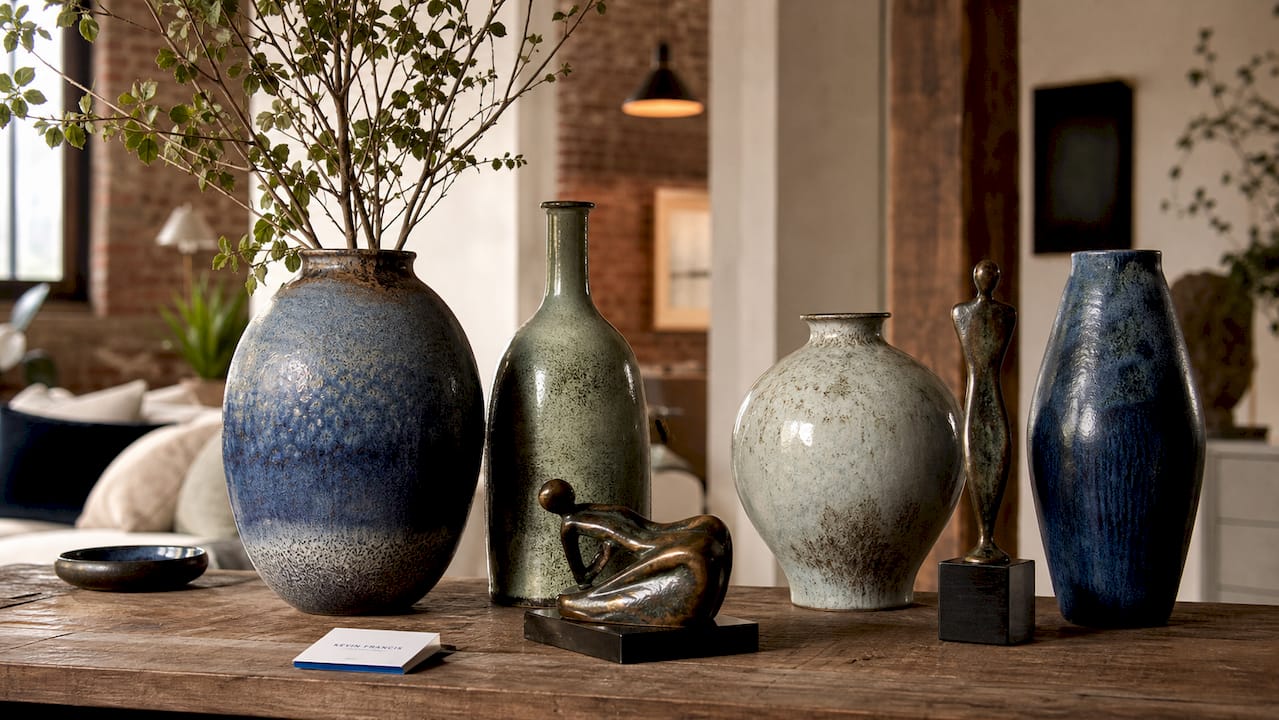
Handmade ceramic and cast-glass vases from studio artists command serious attention. Limited edition sculptures, particularly those tied to a named maker or gallery exhibition, appreciate in value when documentation accompanies the piece. Look for signed editions, numbered runs, and works shown in design fairs.
Designer lighting, including sculptural and smart fixtures
Smart lighting is the fastest-growing luxury decor sub-category, expanding at 18–22% year over year. That rate reflects a shift: collectors now treat lighting as both art and infrastructure. Sculptural pendants in hand-blown glass or oxidized bronze function as focal points even when switched off. For guidance on pairing fixtures with your space, Kevin Francis Design’s designer lighting style guide is a strong starting point.
High-quality rugs and textiles
A hand-knotted wool or silk rug is the single most impactful collectible in any room. Tibetan knotting, hand-tufting, and handweaving techniques produce textiles that improve with age. Kevin Francis Design specializes in exactly this category, with original patterns drawn from art, architecture, and modernist movements.
Statement mirrors and polished decorative metals
Oversized mirrors in gilded or patinated frames create depth and amplify light. Polished brass, aged bronze, and blackened steel objects develop character over decades. These materials reward long-term ownership in ways that lacquered or synthetic finishes never can.
Premium barware and glassware
Hand-blown crystal decanters and mouth-blown coupes from European artisan studios carry genuine collectible status. Edition sizes are often small, and the tactile pleasure of using them daily makes them unique among collectibles.
- Prioritize signed or numbered pieces with maker documentation
- Favor natural materials: wool, silk, bronze, crystal, terracotta
- Avoid mass-produced “luxury-adjacent” items with no maker identity
- Seek pieces that reward close inspection, where craft is visible
Pro Tip: When evaluating a piece at a gallery or fair, turn it over. The underside of a ceramic, the back of a mirror frame, or the knot density of a rug’s reverse side reveals more about quality than the front face alone.
2. Why provenance and craftsmanship elevate collectible value
Provenance matters more than pristine condition. A documented history, including original invoices, exhibition catalogs, and maker correspondence, can raise an item’s value above a flawless but anonymous piece. Collectors who understand this principle acquire with discipline rather than impulse.
Craftsmanship markers tell you whether a piece was made to last or made to sell. The details that signal genuine quality include:
- Hand-finishing on metal surfaces, where tool marks are visible and intentional
- Joinery in wooden objects that uses traditional mortise-and-tenon or dovetail construction
- Knot density in rugs, measured in knots per square inch, where higher counts indicate finer weave
- Glaze depth in ceramics, where multiple firings produce layered, luminous color
Building relationships with specialist dealers gives collectors early access to significant pieces and background information that auction catalogs rarely provide. A trusted dealer knows edition sizes, exhibition histories, and condition reports that protect your investment.
“Collecting is a reflective practice. The pieces that endure in a collection are those chosen with patience and purpose, not those acquired in a rush of enthusiasm. Documented history and material truth are the twin pillars of lasting value.”
Pro Tip: Before purchasing any collectible accessory, request a written provenance summary from the seller. If they cannot provide one, treat that absence as a red flag, not a minor inconvenience.
For collectors who want to apply this same rigor to textiles, Kevin Francis Design’s rug appraisal guide covers exactly how to evaluate and document high-value pieces.
3. How to incorporate luxury accessories into your home for a timeless, curated look
Layering textures and materials creates depth in a room. The harmony of mixed surfaces, wool against polished brass, linen beside hand-blown glass, produces a high-end effect that no single expensive object can achieve alone. The goal is a room that rewards the eye at every distance.
A curated approach follows a clear sequence:
- Anchor the room with one major textile, typically a hand-knotted rug that sets the color palette and material tone.
- Add a sculptural lighting fixture that complements the rug’s scale and weight.
- Introduce one or two statement objects, a ceramic vessel, a cast-metal sculpture, or a framed mirror.
- Layer smaller accessories, barware, books, and trays, in materials that echo the anchor pieces.
- Edit ruthlessly. Remove anything that does not contribute to the room’s unified sensibility.
Rotating pieces seasonally keeps a collection feeling alive without requiring new purchases. Moving a bronze sculpture from a living room shelf to a bedroom console changes both spaces. This practice also prevents the visual fatigue that comes from seeing the same arrangement every day.
Smart lighting integration amplifies every other element in the room. Layering ambient, task, and accent sources allows you to shift the room’s mood from daytime clarity to evening warmth. Kevin Francis Design’s guide on how luxury lighting complements rugs explains this relationship in practical detail.
Pro Tip: Avoid the matching-set trap. A room furnished entirely from one collection reads as a showroom, not a home. Collect individual pieces that share a design sensibility, not a catalog page.
4. What are emerging trends in luxury home accessories collecting for 2026?
The 2026 trend toward integrated environments moves luxury accessories beyond pure ornament. Collectors are choosing pieces that serve both aesthetic and functional roles, sculptural lamps that also deliver programmable light, or terracotta vessels that double as humidifiers.
Key shifts shaping the market this year:
- Quiet luxury materials: Bronze, terracotta, aged linen, and unpolished stone are replacing high-gloss finishes. These materials develop a patina that makes them more beautiful over time.
- Sustainable provenance: Interest in sustainable, investment-grade goods rose 40% among collectors aged 25–40 since 2022. Buyers want to know where materials came from and how they were processed.
- Cross-category coordination: Collectors are building environments where rugs, lighting, and objects share a unified material language rather than competing for attention.
- Smart integration: Lighting accessories with programmable color temperature and dimming now appear in high-end residential collections alongside purely decorative pieces.
| Trend | Material or Category | Collector Benefit |
|---|---|---|
| Quiet luxury | Bronze, terracotta, linen | Patina improves with age |
| Sustainable sourcing | Natural wool, recycled glass | Ethical and investment-grade |
| Smart lighting | Programmable fixtures | Functional and sculptural |
| Cross-category coordination | Textiles, metals, ceramics | Cohesive, non-cluttered rooms |
The craftsmanship traditions behind luxury silver and gold-plated objects, similar to those explored by artisans at Polcarat Design, reflect the same values driving collector interest in patina-rich home accessories. Material truth and maker identity are the constants.
5. How to protect and insure your luxury home accessory collection
Standard homeowners’ insurance rarely covers the full replacement value of rare or collectible home accessories. Collectors who treat their acquisitions with financial seriousness need a separate strategy.
The core steps for protecting a collection:
- Commission professional appraisals for any piece valued above your standard policy’s personal property limit.
- Document every item with photographs, receipts, provenance records, and appraisal certificates stored separately from the objects themselves.
- Work with an insurer that specializes in fine art and collectibles, not a general home policy with a rider.
- Update valuations every three to five years, or after any significant market movement in your collecting category.
- Integrate high-value pieces into your estate plan with explicit descriptions and designated beneficiaries.
Appraisals serve two purposes. They establish current market value for insurance purposes, and they create a paper trail that supports provenance for future buyers or heirs. A piece with a complete appraisal history is easier to sell, donate, or bequeath than one without documentation.
Key Takeaways
The most collectible luxury home accessories combine documented provenance, visible craftsmanship, and investment-grade natural materials that improve with age.
| Point | Details |
|---|---|
| Provenance drives value | Documented history raises an item’s worth above undocumented pieces in better condition. |
| Material quality signals longevity | Natural wool, bronze, crystal, and terracotta reward long-term ownership in ways synthetics cannot. |
| Layering creates luxury | Mixing textures and materials produces depth that no single expensive object achieves alone. |
| Insurance requires specialist coverage | Standard homeowners’ policies rarely cover rare accessories at full replacement value. |
| Rotation keeps collections alive | Moving pieces seasonally refreshes both the objects and the rooms they inhabit. |
What I have learned from collecting pieces that actually last
Collecting luxury home accessories has taught me one uncomfortable truth: most people buy too fast and edit too rarely. I have watched collectors fill rooms with beautiful objects that cancel each other out, each piece competing for attention until the room feels exhausting rather than refined.
The collections I admire most share a quality I would call material honesty. Every object is made from what it appears to be made from. No veneers pretending to be solid wood, no resin cast to look like stone. When you commit to that standard, your options narrow considerably, and that is exactly the point. Constraint produces clarity.
Provenance is the detail most collectors overlook until they try to sell or insure something. I have seen genuinely beautiful pieces lose half their potential value because the buyer kept no documentation. A folder with a receipt, a photograph of the maker, and a brief written history is worth more than any certificate of authenticity from an unknown source.
Patience is the real skill. The best pieces I have acquired came from waiting, sometimes years, for the right object at the right moment. Impulsive acquisition fills rooms. Intentional collecting builds something that outlasts you.
— Kevin O’Gara
Artisan rugs as the foundation of a collectible interior
A hand-knotted rug is the one luxury accessory that anchors every other element in a room. It sets the palette, defines the scale, and provides the tactile warmth that no other object can replicate.
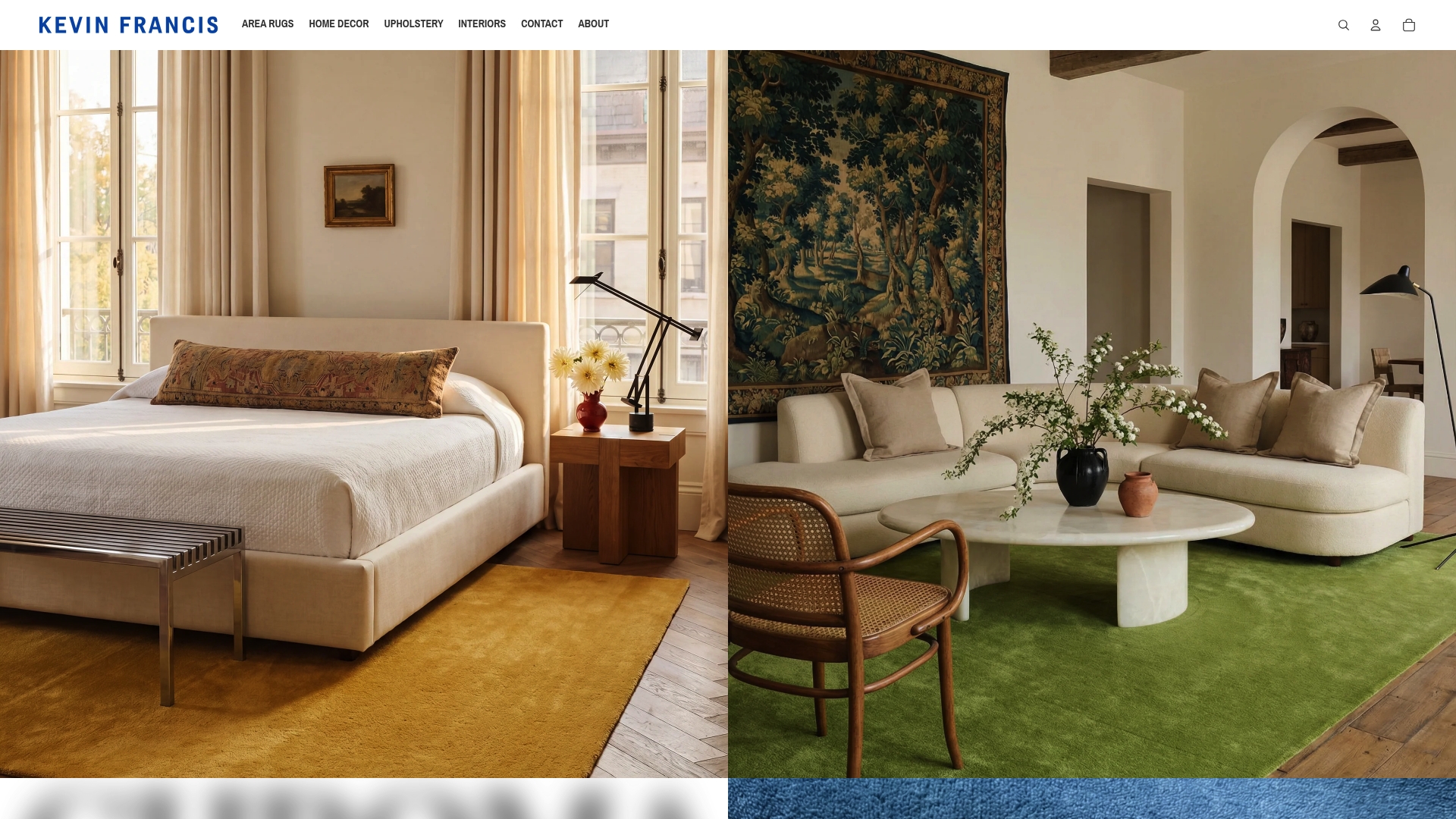
Kevin Francis Design’s Lotto Hand-Knotted Wool Area Rug exemplifies what collectible textiles look like at their finest. Handwoven using traditional Tibetan knotting techniques, it carries the maker identity, material integrity, and original pattern design that serious collectors seek. For those building a curated interior from the ground up, it is the right place to start. Browse the full collection at Kevin Francis Design to find the piece that speaks to your space.
FAQ
What makes a luxury home accessory worth collecting?
A collectible luxury accessory combines documented provenance, visible craftsmanship in natural materials, and limited availability. These qualities support both aesthetic value and long-term financial worth.
How do I verify the provenance of a luxury home accessory?
Request original purchase receipts, exhibition records, maker correspondence, and any appraisal certificates from the seller. A reputable dealer or auction house provides this documentation as standard practice.
Are luxury rugs considered collectible investments?
Hand-knotted rugs made using traditional techniques, such as Tibetan knotting or Persian weaving, are recognized collectibles. Their value depends on knot density, material quality, maker identity, and condition.
How often should I have my collection appraised?
Professional appraisals every three to five years keep valuations current for insurance and estate planning purposes. Reappraise sooner after any significant market shift in your collecting category.
What is “quiet luxury” in home accessories?
Quiet luxury refers to high-quality objects made from natural materials like bronze, terracotta, and unbleached linen that develop character over time without announcing their cost. The trend grew 40% among collectors aged 25–40 since 2022.


