


A one-of-a-kind interior statement is a single, unmistakable element, handmade, vintage, or custom, whose presence defines the room and carries personal meaning. It is not a trend purchase. It is an object with provenance, tactile distinctiveness, and a story only you can tell.
The most compelling examples include:
- A custom hand-knotted wool rug whose pattern and palette set the entire room’s visual grammar
- An agate or natural-stone chandelier, where no two slices of mineral are identical
- A commissioned large-scale painting sized specifically for a wall you have lived with for years
- A heirloom armchair reupholstered in a fabric that bridges its original era and yours
- A sculptural plaster niche or curved stair that makes the architecture itself an artwork
What separates these from trend-led decor is provenance, tactile uniqueness, and the conversation they generate. A mass-produced accent can be replaced; a hand-knotted rug with a maker’s mark cannot.
“True luxury is in the narrative an object brings. One-of-a-kind pieces act as guardians of memory and create rooms that feel personal over time.” — Anita Lang, interior designer
Key Takeaways
One-of-a-kind interior statements are handmade, vintage, or custom objects chosen for personal meaning and provenance, not trend, and they anchor a room most effectively when placed as a single dominant focal point with edited supporting pieces.
| Point | Details |
|---|---|
| Definition and rule | A one-of-a-kind statement is a single dominant object with provenance; invest in one hero piece and edit the rest of the room around it. |
| Mood-board method | Collect 30–50 images, identify recurring motifs in color, era, and texture, then name one anchor object archetype before buying. |
| Sourcing and lead times | Custom hand-knotted rugs typically take 8–16 weeks; smaller handcrafted pieces often run 15–20 business days; always request provenance documentation. |
| Placement rules | Anchor the statement on the room’s primary sight line, proportion it to the dominant furniture scale, and use negative space to keep it center stage. |
| Kevin Francis Design | Offers custom-sized hand-knotted wool rugs and bespoke textiles made using Tibetan knotting and handweaving techniques, with custom commissions available. |
Table of Contents
- What are the main categories for one-of-a-kind interior statements?
- Room-by-room picks for your best one-of-a-kind statement
- How to discover your personal design statement
- Placement, scale, and styling rules that make a statement feel intentional
- Where to source one-of-a-kind pieces and what to expect for cost and lead time
- How a custom hand-knotted rug can anchor an entire room
- Budget-friendly swaps and small-space strategies that still feel singular
- How cultural and historical significance deepens a statement piece
- Maintenance and care tips for preserving your statement pieces
- Why provenance and handcraft define the statements worth keeping
- Kevin Francis Design: handcrafted statements made to your room
- Sources
- FAQ
What are the main categories for one-of-a-kind interior statements?
Common statement-piece categories include furniture, lighting, artwork, architectural features, and textiles like statement rugs, each serving different visual and functional roles. The table below maps each category to its visual power, best room fits, and a practical sourcing note.
| Category | Visual role | Best room fits | Typical provenance | Sourcing tip |
|---|---|---|---|---|
| Furniture | Scale and silhouette anchor | Living room, bedroom, dining | Vintage, bespoke commission | Seek maker’s marks; request provenance documentation |
| Lighting | Vertical focal point, mood setter | Entry, dining, bedroom | Handcrafted, limited studio run | Ask about natural variation; confirm lead time before ordering |
| Artwork | Color, narrative, emotional weight | Living room, study, hallway | Commissioned, gallery edition | Commission to a specific wall dimension for maximum impact |
| Architectural features | Structural drama, permanent character | Entry, stairwell, kitchen | Custom build, restoration | Budget for skilled trades; treat as a long-term investment |
| Textiles and rugs | Palette foundation, tactile warmth | All rooms | Handwoven, hand-knotted, vintage | Verify fiber content and knot count; custom sizing is available from artisan makers |
Each category earns its place for a different reason. Furniture commands through sheer scale and silhouette. Lighting pulls the eye upward and controls mood in a way no other object can. Artwork carries the most direct narrative weight, especially when sized to a specific wall rather than chosen off a shelf. Architectural interventions, a plastered arch, a curved niche, a sculptural stair, are the most permanent and the most dramatic. Textiles, particularly hand-knotted rugs, do something the others cannot: they set the palette and texture for every other object in the room simultaneously.
“A dramatic light fixture, vibrant sofa, or large artwork often serves as the room’s most visually dominant element.” — HouseMillDesign
Room-by-room picks for your best one-of-a-kind statement
The right statement depends as much on how a room is used as on how it looks. Scale, function, and sightlines all shift from room to room, and forcing a grand gesture into the wrong space tends to feel theatrical rather than personal.
Living room. A hand-knotted area rug or a large-scale commissioned canvas are the two strongest choices here. The rug works because it anchors furniture placement and sets the palette from the floor up. A canvas sized to the dominant wall creates an immediate focal point without competing with seating arrangements. For double-height living rooms, an oversized pendant or chandelier adds vertical drama that no floor-level object can match. You can find further inspiration in these art collector-inspired interiors that show how curated pieces anchor a room.
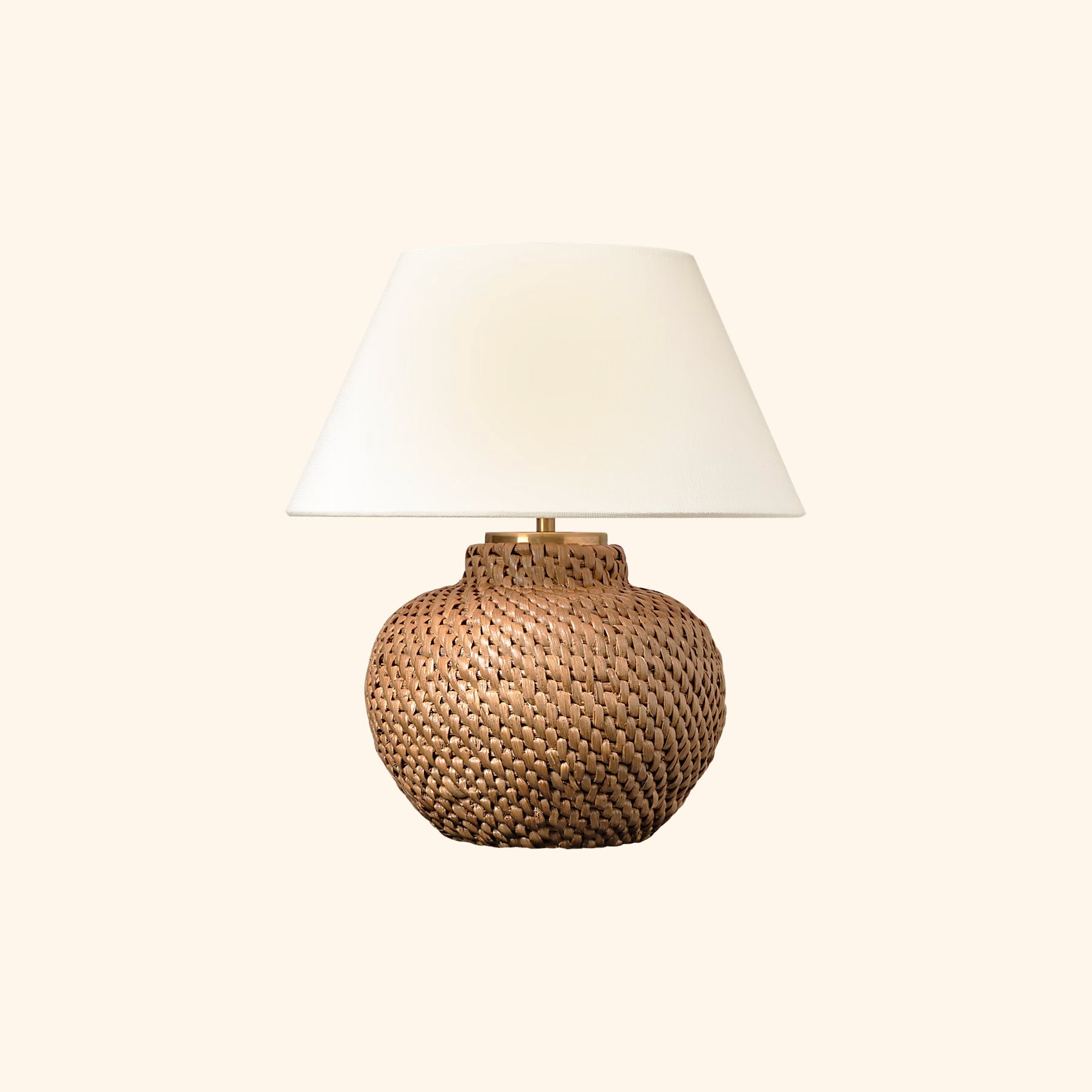
Bedroom. A sculptural or upholstered headboard, especially one commissioned in a fabric with personal resonance, transforms the bed wall into something genuinely singular. An antique armoire with original hardware is a close second: it brings storage, silhouette, and story in one object.
Dining room. The chandelier is the natural statement here, positioned directly above the table and visible from every seat. An agate or hand-assembled glass-bead fixture reads as unique because natural variation in the material means no two are alike. A long, handcrafted ceramic table runner or a single large ceramic vessel on a sideboard can serve as a quieter but equally personal accent.
Kitchen. Architectural statements work best in kitchens, where furniture options are limited by cabinetry. A hand-painted tile backsplash, a plaster hood in an unusual profile, or open shelving displaying a curated collection of studio pottery each carry the same one-of-a-kind quality without disrupting function.
Entry. The entry is the room’s first sentence, and a statement mirror placed over a console is one of the most effective choices. A well-placed mirror doubles as a focal point while amplifying light and perceived depth, two qualities an entry almost always needs.
Small and narrow spaces. Scale down the object, not the ambition. A single piece of framed original art, a hand-thrown ceramic lamp, or a small vintage side table with an unusual provenance can carry the same narrative weight as a large rug in a bigger room. Vertical statements, a tall narrow mirror, a floor lamp with an artisan shade, draw the eye upward and make the space feel taller.
“The most personal spaces are layered over years, not finished in a single project.” — House Beautiful
How to discover your personal design statement
The fastest reliable method: collect 30–50 images you love, find the recurring motifs, name one anchor object archetype, then test it in a mock layout. That single weekend exercise will tell you more about your design instincts than years of browsing.
-
Collect without editing. Pull images from anywhere, shelter magazines, travel photography, fashion editorials, museum catalogs. Save everything that produces a physical reaction. Aim for 30–50 images before you start analyzing. The mood-board method works precisely because it bypasses conscious preference and reveals what you are actually drawn to.
-
Find the recurring motifs. Spread the images and look for patterns in color temperature (warm or cool?), era (pre-industrial, mid-century, contemporary?), texture (rough and tactile or smooth and reflective?), and scale (intimate or grand?). Three or four motifs will repeat. Those are your design DNA.
-
Name your anchor archetype. Translate the motifs into one object category. If you keep saving images of worn wooden surfaces, layered textiles, and candlelight, your archetype is probably a handcrafted textile or a vintage furniture piece. If you are drawn to mineral surfaces and dramatic silhouettes, a stone lighting fixture or sculptural chair is your direction.
-
Test in a mock layout. Before committing, photograph your room and drop a scaled image of the candidate piece into it using a free tool like Canva or your phone’s photo editor. Check proportion, color relationship, and whether the piece reads as the dominant element or competes with existing objects.
Pro Tip: Mine your personal archives before you open a design app. Your travel photos, the colors you wear most, and the objects you have kept through every move are a more honest map of your taste than any algorithm. Architectural Digest notes that designers consistently advise using these personal archives to build layered, authentic interiors rather than following trends.
For structured prompts and exercises, the Kevin Francis Design guide on creating a personalized space walks through this self-reflection process in practical detail.
Placement, scale, and styling rules that make a statement feel intentional
Three rules govern every successful statement piece: anchor it as the clear focal hierarchy, proportion it to the room’s dominant sight line, and edit everything around it so nothing competes. Get these right and the room reads as considered rather than collected.
Anchor. Place the statement on the wall, floor zone, or ceiling plane that the eye reaches first when entering the room. Arrange supporting pieces, seating, side tables, smaller art, in a loose orbit around it rather than in a competing cluster. The one hero piece approach recommends keeping supporting accents changeable, books, plants, smaller ceramics, so the room can evolve without disturbing the anchor.
Proportion. A rug should extend at least 18 inches beyond the front legs of the largest seating piece. Artwork hung above a sofa should span roughly two-thirds of the sofa’s width. A chandelier in a dining room should be about half the table’s width. These are starting points, not laws, but they prevent the most common error: choosing a piece that is emotionally right but physically too small for the room to register it. For guidance on creating the right ambiance around a statement, proportion and lighting work together.
Edit. Negative space is what gives a statement room to breathe. Limit competing textures to two or three in the supporting layer. Rotate smaller accents seasonally so the statement stays center stage. The instinct to fill every surface is understandable, but restraint is what separates a curated room from a crowded one.
Mixing eras is one of the most effective ways to make a statement feel genuinely personal rather than showroom-assembled. A Georgian side table beneath a contemporary canvas, or a hand-knotted traditional rug under a Bauhaus-influenced chair, creates the kind of productive friction that signals a real collector’s eye. The Kevin Francis Design blog on mixing modern and vintage explores this strategy in depth.
Where to source one-of-a-kind pieces and what to expect for cost and lead time
Three routes cover most of the market: commission directly from artisans, shop vetted vintage dealers, and buy limited-edition studio pieces from galleries or maker-direct platforms. Each has a different cost shape and timeline.
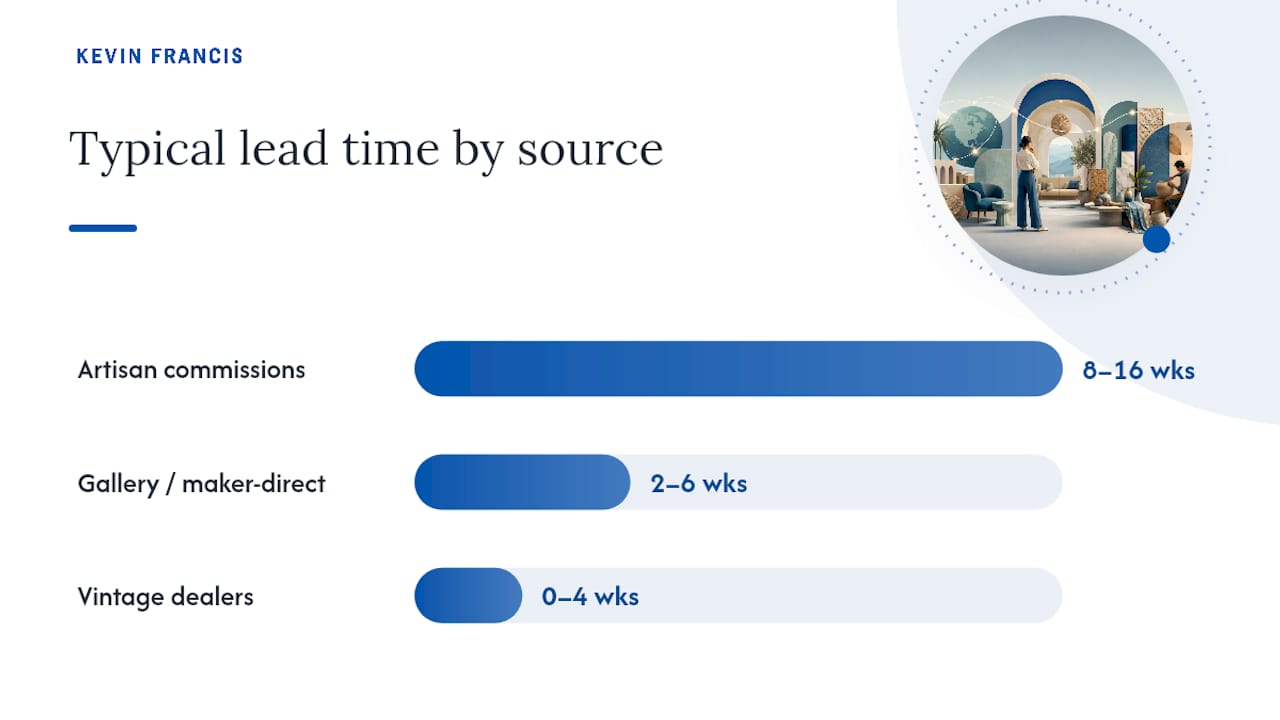
| Statement type | Typical lead time | Approximate cost range | Best sourcing route |
|---|---|---|---|
| Custom hand-knotted rug | 8–16 weeks | $1,500–$15,000+ depending on size and knot count | Artisan studio direct or bespoke maker |
| Commissioned artwork | 4–12 weeks | $800–$20,000+ depending on artist and scale | Artist studio, gallery commission |
| Agate or natural-stone chandelier | 4–8 weeks | $600–$5,000+ | Specialty lighting studio, made-to-order |
| Handcrafted ceramic vessel | 2–6 weeks | $150–$2,000 | Studio pottery markets, maker-direct |
| Vintage statement furniture | Immediate to 4 weeks (shipping) | $300–$10,000+ | Vetted dealers, estate sales, auction houses |
For smaller handcrafted pieces, typical lead times run roughly 15–20 business days once a commission is confirmed. Larger custom work, particularly hand-knotted rugs and commissioned paintings, requires 8–16 weeks. Build that timeline into your project plan.
Sourcing checklist before you commit:
- Ask for provenance documentation: maker’s name, origin, date of production, and any exhibition or ownership history for vintage pieces
- Request condition photos in natural light, close-ups of any wear, repairs, or restorations
- For commissions, agree on a written contract covering deposit amount (typically 30–50%), milestone approval checkpoints, and delivery timeline
- Verify fiber content and construction method for textiles (hand-knotted vs. machine-tufted affects both value and longevity)
- For vintage, ask whether the piece has been restored and by whom; original patina is often more valuable than a recent refinish
Understanding provenance value in luxury goods before you buy protects your investment and deepens the story the piece carries into your home.
How a custom hand-knotted rug can anchor an entire room
A custom hand-knotted rug does something no other single object can: it sets the palette, establishes the scale grid, and carries a narrative, all from the floor up. Every furniture placement decision, every color choice in the supporting layer, can radiate outward from it.
The Lotto Hand-Knotted Wool Area Rug from Kevin Francis Design illustrates this precisely. Its pattern scale and color field are strong enough to anchor a living room or dining space without overwhelming it, and the custom sizing option means the rug can be proportioned to the specific room rather than adapted from a standard size. The wool pile adds warmth underfoot and a tactile depth that photographs cannot fully convey.
When working with a hand-knotted rug as your statement, let the rug’s dominant color inform your wall treatment and your largest upholstered piece. The secondary colors in the pattern become your accent palette. This approach, working from the rug outward, is one of the most reliable methods designers use to achieve a room that feels composed rather than assembled. Narrative-driven textile collections, as explored in Kevin Francis Design’s textile archetypes guide, show how a rug’s story can extend through every layer of a room.
Pro Tip: If you have an heirloom rug with sentimental value but a worn or faded field, consider commissioning a new hand-knotted rug in a complementary palette rather than replacing the heirloom. The two pieces in dialogue, one carrying age and memory, the other carrying craft and intention, create a layered story no single new purchase can replicate.
“Creating truly personal interiors is typically a gradual process of collecting and layering objects over time rather than a single, instantaneous decorating event.” — House Beautiful
Budget-friendly swaps and small-space strategies that still feel singular
A convincing one-of-a-kind feel is achievable without a commission budget. Curated vintage finds, artist-collaboration prints, and bespoke textiles at smaller scale all carry the same narrative quality as larger investments, provided they are chosen with the same intentionality.
Budget tactics worth trying:
- Upcycled vintage frame with new art: Source an ornate antique frame from an estate sale and commission a small original painting sized to fit it. The combination reads as far more considered than either element alone.
- Limited-run artist prints: Many studio artists release small editions of 20–50 prints. These are not mass-produced, carry the artist’s hand in the printing process, and often appreciate in value. Noirci Studio’s statement wall art guide explains how unique wall art functions as a room anchor at any price point.
- Artisan-made ceramics: A hand-thrown vase or bowl from a studio potter costs far less than a commissioned painting but carries the same maker’s mark quality. Group three in varying heights for visual weight.
- Statement mirrors: A vintage or custom-framed mirror placed over a console or mantel performs double duty as focal point and light amplifier.
- Dramatic lighting upgrades: Swapping a builder-grade fixture for a hand-assembled pendant or an artisan table lamp is one of the highest-impact, lowest-footprint changes you can make.
For small spaces, think vertically. A tall narrow mirror, a floor lamp with a sculptural base, or a single framed original artwork hung at eye level draws the eye upward and gives the room a sense of height. Multi-functional statement furniture, a vintage trunk as a coffee table, a sculptural stool that doubles as a side table, keeps the footprint small without sacrificing character. The Kevin Francis Design guide on revitalizing old furniture offers practical restoration ideas for turning vintage finds into genuine anchors.
How cultural and historical significance deepens a statement piece
The most resonant statement pieces carry a layer of meaning that goes beyond aesthetics. When an object is rooted in a specific cultural tradition or historical moment, it brings a depth of story that no trend-driven purchase can replicate.
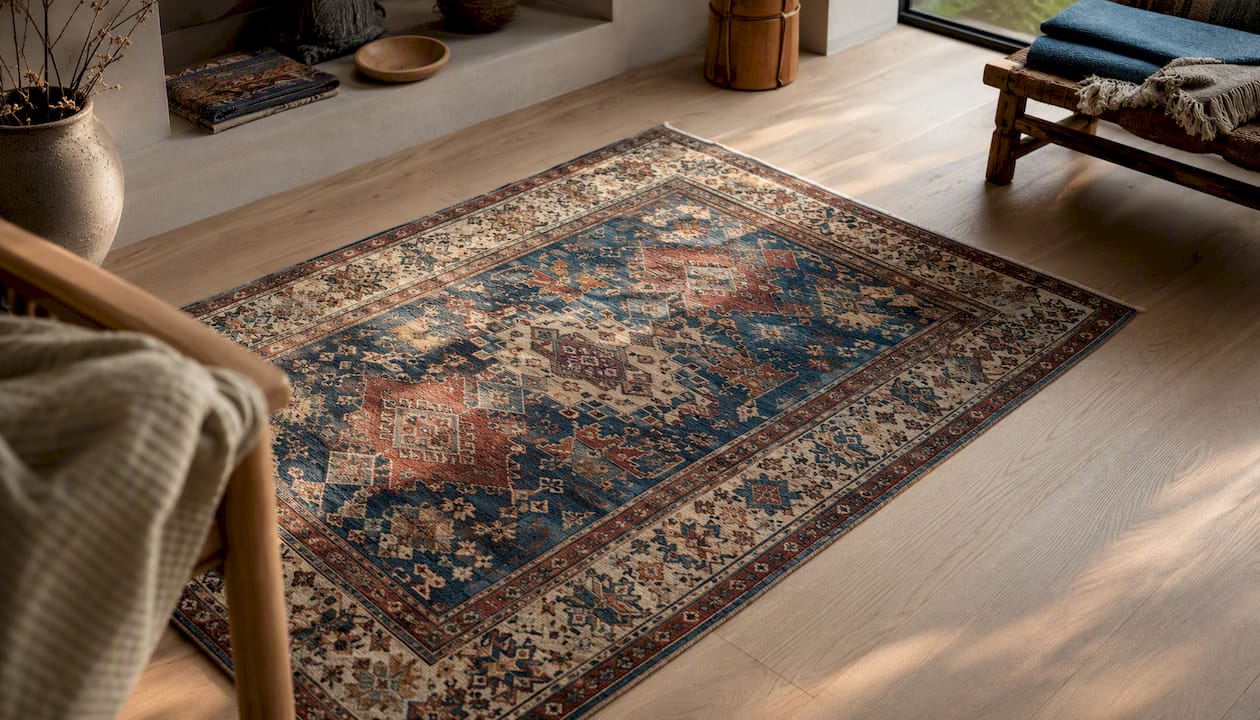
A hand-knotted rug woven in a regional Turkish or Tibetan tradition, for example, carries centuries of pattern language: geometric motifs that once encoded protective symbols, color combinations that reflected the dyes available in a specific valley, knot structures passed from one generation of weavers to the next. Placing such a rug in a contemporary interior is not a nostalgic gesture. It is a deliberate act of cultural preservation that gives the room a gravitational seriousness.
The same principle applies to furniture. A Shaker chair, a Japanese tansu chest, or a West African kente-cloth textile each carry a design philosophy embedded in their construction. When you understand that philosophy, even briefly, the object stops being decoration and becomes a point of view. Building a thematic art collection around a cultural thread, rather than a purely aesthetic one, creates interiors with a coherent intellectual identity.
Historical provenance works similarly. An Art Deco sideboard from a specific period, a mid-century ceramic by a named studio, or a textile from a documented weaving community all carry a verifiable story. That story is part of what you are acquiring, and it is what makes the piece irreplaceable. The provenance value guide at Kevin Francis Design explores how documented history translates into lasting worth, both financial and emotional.
Maintenance and care tips for preserving your statement pieces
A one-of-a-kind piece is only as enduring as the care it receives. The investment in sourcing and commissioning is protected by a few consistent habits.
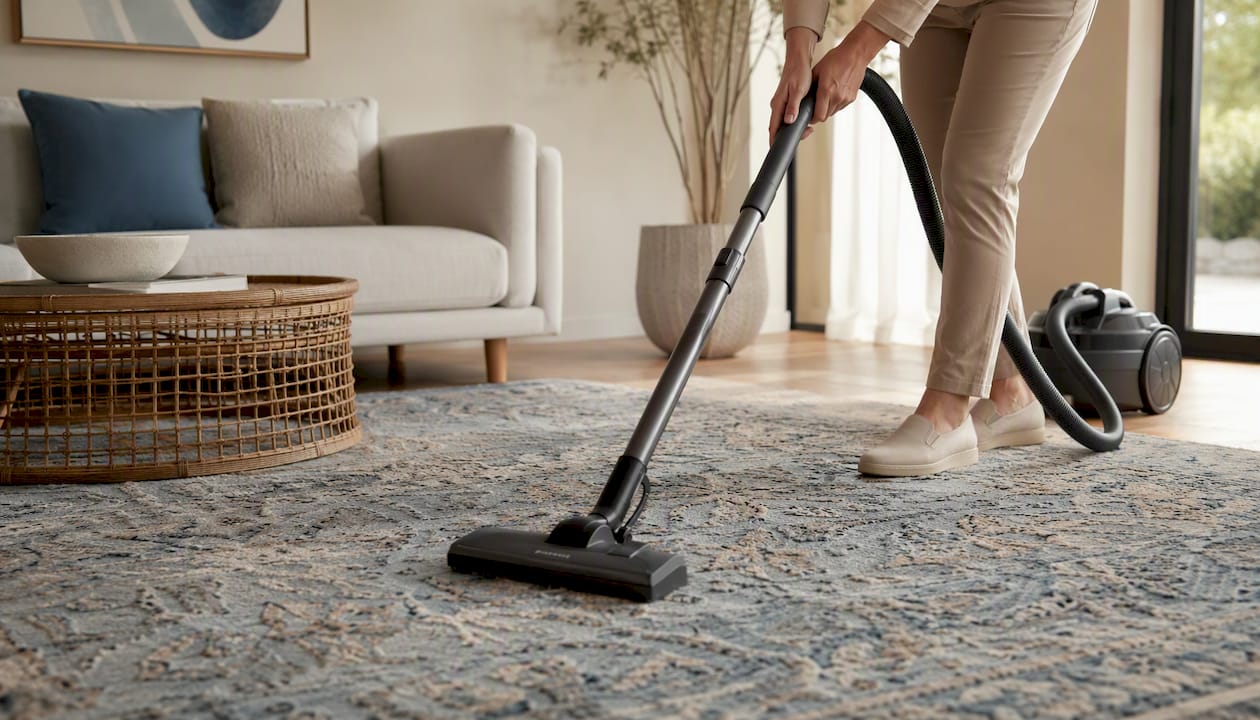
Hand-knotted and handwoven rugs benefit from rotation every 12–18 months to distribute foot traffic and light exposure evenly. Vacuum with a low-suction setting, moving with the pile rather than against it. For spills, blot immediately with a clean white cloth; never rub. Professional cleaning every two to three years by a specialist in hand-knotted textiles preserves both fiber integrity and color depth.
Artwork on canvas or paper should be kept away from direct sunlight, which fades pigment over time, and from exterior walls, which can introduce humidity fluctuations. UV-filtering glass or acrylic glazing is worth the cost for any piece you value. Dust lightly with a dry, soft brush; never use cleaning products on an unvarnished surface.
Vintage and antique furniture responds well to regular dusting with a soft cloth and occasional conditioning with a product appropriate to the finish, beeswax for raw or oiled wood, a specialist wax for lacquered or painted surfaces. Avoid placing antique pieces in direct sun or near heating vents, both of which accelerate drying and cracking.
Handcrafted ceramics and stone objects are generally low-maintenance, but natural stone is porous and benefits from periodic sealing if used on a surface that contacts liquids. Ceramics with unglazed bases can scratch stone or wood surfaces; felt pads underneath prevent this.
Lighting fixtures with natural materials, agate slices, hand-blown glass, woven fibers, need gentle dusting rather than liquid cleaning. Check electrical connections annually, particularly for made-to-order fixtures where custom wiring may not follow standard configurations.
The underlying principle across all categories: treat these pieces as you would a work of art, because that is precisely what they are.
Why provenance and handcraft define the statements worth keeping
There is a version of interior design that treats statement pieces as props: objects chosen for their visual effect in a photograph, swapped out when the trend shifts. We find that approach deeply unsatisfying, and we think most people who live with their interiors day after day do too.
The pieces that age well, that feel more right with each passing year rather than less, are the ones made by hand, rooted in a specific tradition, and chosen for reasons that have nothing to do with what was fashionable at the time of purchase. A hand-knotted rug made using Tibetan knotting techniques carries the mark of the weaver’s hand in every knot. A handwoven textile holds the tension of the loom in its structure. These are not metaphors. They are physical facts that you can feel underfoot and see in the subtle irregularities of the surface.
At Kevin Francis Design, we prioritize provenance and craft because we believe interiors should age with their owners rather than against them. Custom sizing and design consultations mean the piece fits your room and your story, not a standard catalog dimension. That is the difference between a statement that lasts and one that simply fills space.
Kevin Francis Design: handcrafted statements made to your room
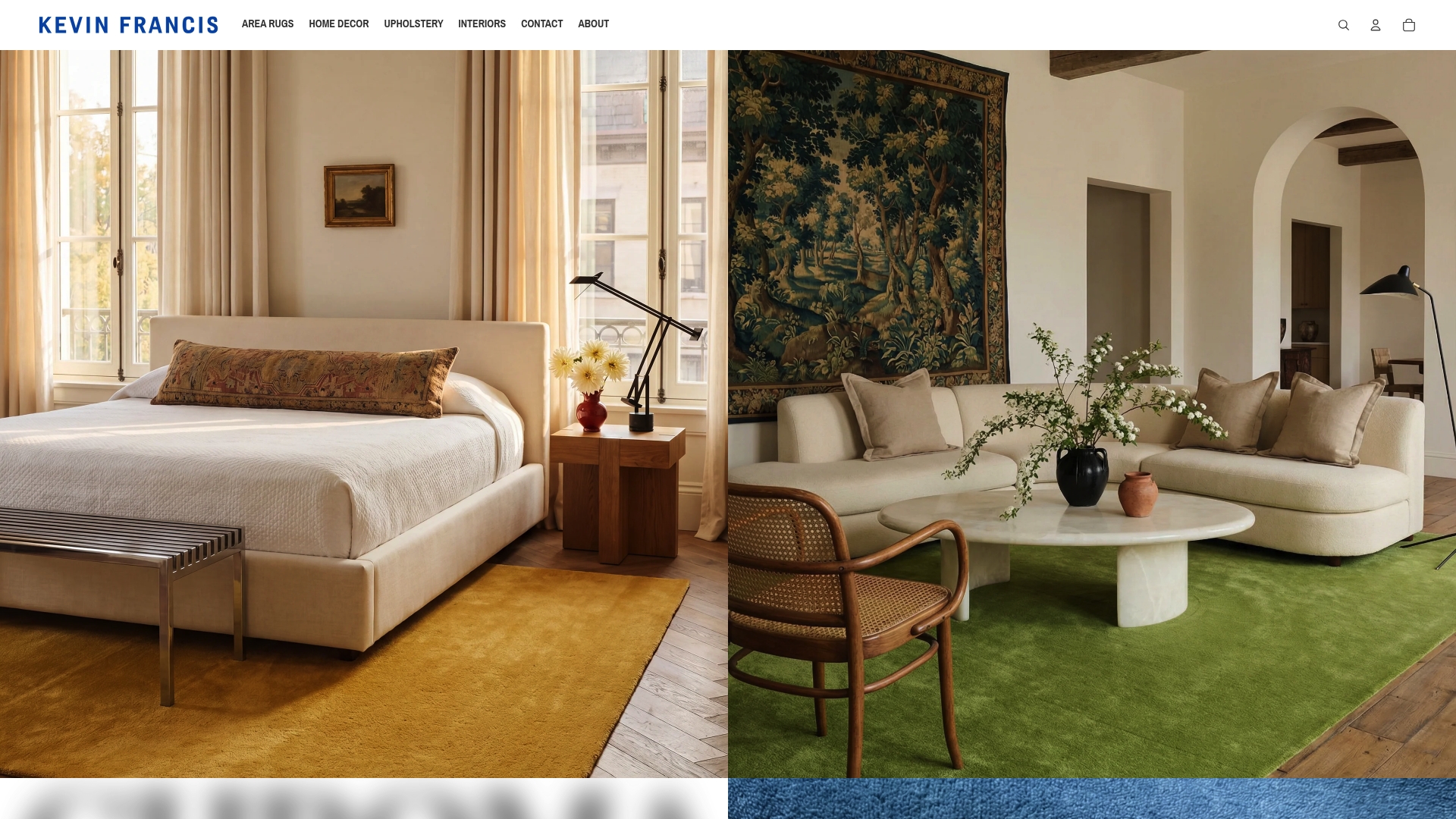
Kevin Francis Design offers handcrafted area rugs, custom-sized wool rugs, and bespoke home textiles that function as genuine one-of-a-kind statements. Every piece is made using handweaving or Tibetan knotting techniques, which means no two are identical and each carries the mark of the maker’s hand.
The Lotto Hand-Knotted Wool Area Rug is a strong starting point: available in custom sizes, it can be proportioned precisely to your room rather than adapted from a standard dimension. Complementary lighting, throw pillows, and wallpaper round out the collection for those who want a cohesive, artisan-led interior layer.
Custom commissions are available for clients who want a piece designed specifically around their space, palette, and story. Contact Kevin Francis Design to discuss sizing, pattern direction, and lead time.
Sources
- How to incorporate statement pieces into your decor — Blinde Design
- What Is a Statement Piece in Interior Design? — HouseMillDesign
- How to make your interior design reflect your personal style — Architectural Digest
- How to make your home reflect your personal style — HouseBeautiful
FAQ
What is a one-of-a-kind interior statement?
A one-of-a-kind interior statement is a single dominant object, handmade, vintage, or custom, that anchors a room and carries personal meaning. It differs from trend-led decor through its provenance, tactile uniqueness, and irreplaceability.
What is the “one hero piece” rule in interior design?
The one hero piece rule recommends investing in a single standout item and editing the rest of the room to support it, keeping supporting accents changeable so the space stays fresh without displacing the anchor.
What is an example of a design statement in a living room?
A custom hand-knotted area rug is one of the strongest living-room statements because it sets the palette, anchors furniture placement, and carries the maker’s craft in every knot. A large-scale commissioned canvas sized to the dominant wall is an equally powerful alternative.
How do you compliment a well-executed interior design statement?
The most effective compliment is specific: note the scale relationship between the statement piece and the room, the restraint of the supporting layer, or the provenance of the object itself. Vague praise (“it’s beautiful”) misses what the designer or homeowner actually worked to achieve.
What is the 3-5-7 rule in interior design?
The 3-5-7 rule is a decorating guideline suggesting that objects grouped in odd numbers, particularly three or five, create more visually dynamic arrangements than even-numbered groupings. It applies most usefully to supporting accents around a statement piece rather than to the statement itself.


