


Hand-tufted and handwoven rugs are two distinct handmade rug types separated by their construction methods, durability expectations, and the kind of presence they bring to a room. In the hand-tufted vs handwoven rugs conversation, the difference is not just technical. It shapes how long your rug lasts, how it feels underfoot, and whether it holds its value over time. Understanding these distinctions before you buy protects both your investment and your interior vision. At Kevin Francis Design, we work with both techniques and believe every homeowner deserves a clear, honest picture of what they are choosing.
What are the construction differences between hand-tufted and handwoven rugs?
Hand-tufted rugs are made by punching yarn through a canvas backing using a handheld tufting gun, then securing the loops with a latex adhesive layer and covering the back with a fabric lining. The process is relatively fast compared to other handmade methods, which is why hand-tufted rugs tend to be more accessible in price. An 8x10 hand-tufted rug typically ranges from $200 to $1,500, while a comparable hand-knotted piece can run from $1,000 to over $10,000.
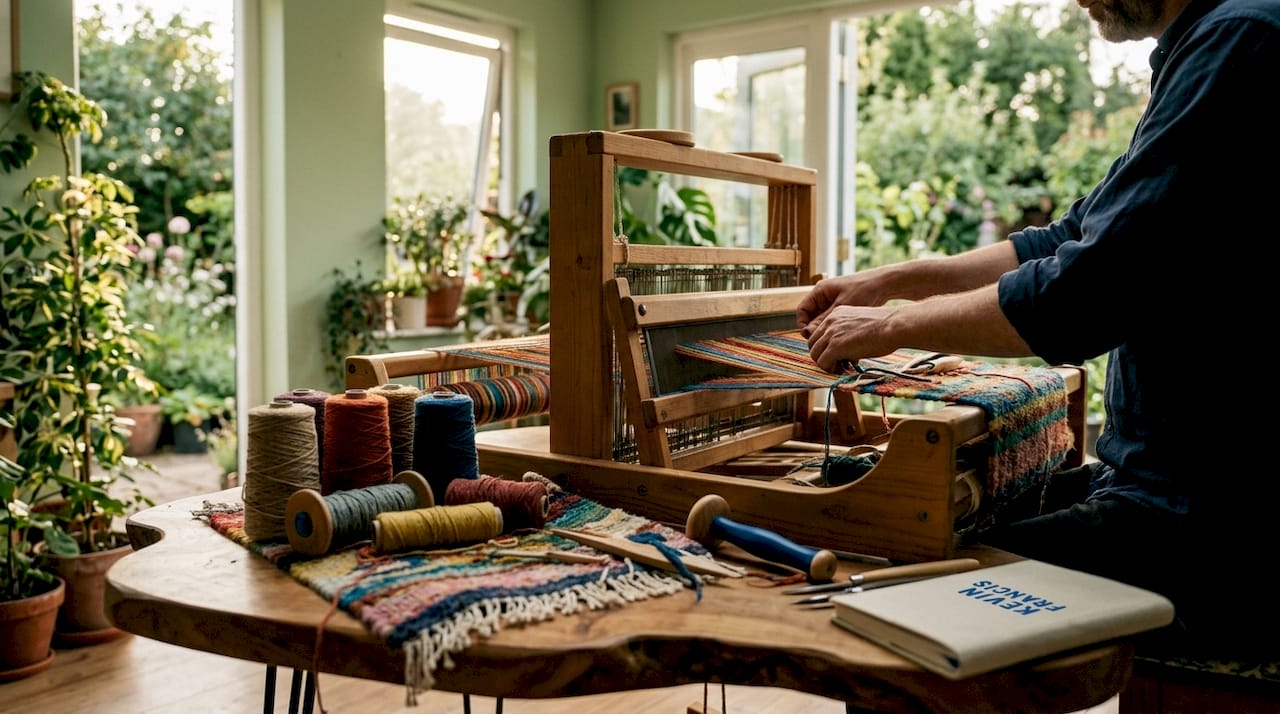
Handwoven rugs, by contrast, are built on a loom by interlacing warp and weft threads without any adhesive backing. The threads lock together structurally, which is what gives handwoven and hand-knotted pieces their remarkable strength. Tibetan knotted rugs, a celebrated subset of the handwoven family, use a specific loop-and-cut knotting method tied around individual warp threads. In a hand-tufted vs Tibetan knotted rug comparison, the Tibetan method produces a denser, more durable pile with a construction you can feel and verify.
The back of a rug tells the whole story. The flip test is the most reliable way to identify what you have: hand-knotted and handwoven rugs reveal a clear woven or knotted structure on the reverse, while hand-tufted rugs show a solid fabric backing that conceals the latex layer underneath. If you flip a rug and see a smooth, uniform cloth back, it is almost certainly hand-tufted.
Pro Tip: When shopping, always ask the retailer to show you the back of the rug. If they hesitate or the back is covered with a thick felt pad glued in place, treat that as a signal to ask more questions about the construction method.
One more thing worth knowing: the “hand-woven” label can be misleading, as it is sometimes applied to machine-made rugs that received only minor hand finishing. Always ask for explicit construction details, not just a marketing label.
How do durability and lifespan compare?
Durability is where the handweaving versus hand-tufting differences become most consequential. Hand-tufted rugs have a structural lifespan of roughly 7–15 years due to latex adhesive degradation. That latex layer eventually dries out, cracks, and causes the backing to separate from the pile. Once that happens, the rug cannot be economically saved.
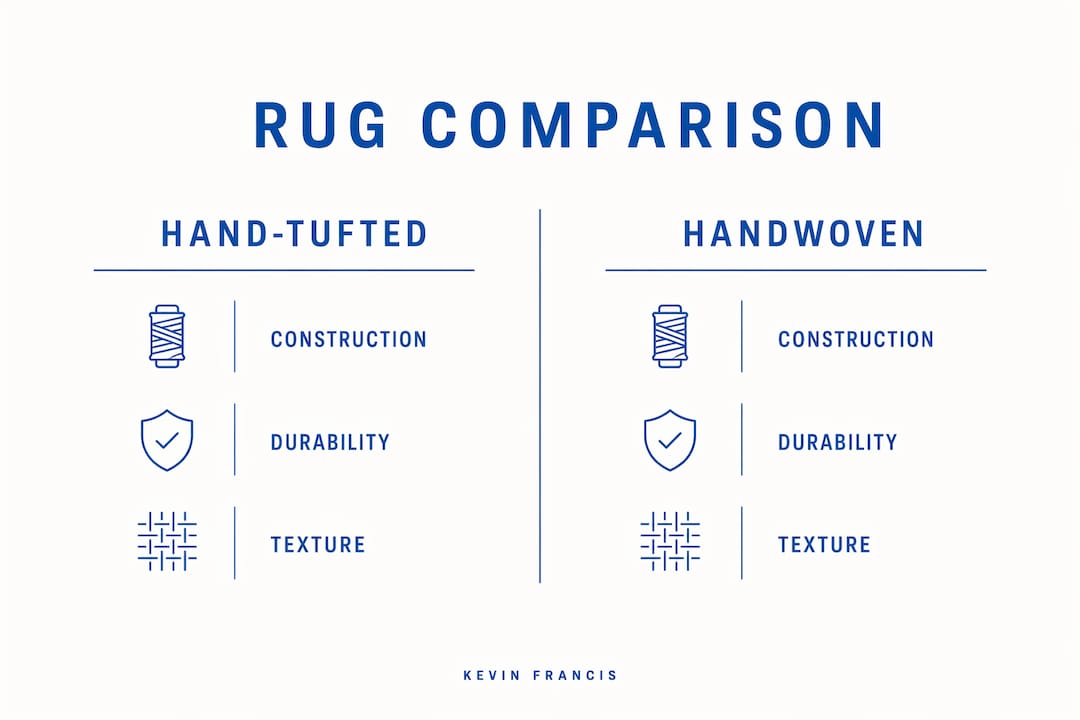
Handwoven and hand-knotted rugs operate on an entirely different timeline. Well-maintained hand-knotted rugs can last 50–100 years or more because their structure is entirely thread-based. There is no adhesive to fail. The interlocked threads simply hold. This is why antique Persian and Tibetan rugs from the early 20th century still command serious prices at auction.
Repairability is another critical difference. Hand-tufted rugs cannot be economically repaired once the latex backing fails, while hand-knotted and handwoven rugs can be repaired indefinitely using traditional weaving techniques. A skilled artisan can reweave damaged sections of a handwoven rug as if the damage never happened. That repairability is part of what makes handwoven pieces genuine long-term investments.
“Hand-tufted rugs are best understood as decorative furniture with a finite life cycle. Hand-knotted rugs are assets. The distinction matters enormously when you are deciding how much to spend.” — rugindustry.com
Here are practical maintenance habits that extend the life of each type:
- Hand-tufted rugs: Rotate every 6–12 months to distribute wear evenly. Use a quality rug pad to reduce friction on the latex backing. Avoid steam cleaning, which accelerates adhesive breakdown. Address spills immediately to prevent moisture from reaching the backing.
- Handwoven rugs: Vacuum regularly with a suction-only setting, avoiding beater bars on delicate fibers. Professional rug cleaning every 2–3 years preserves fiber integrity. Store rolled, never folded, to prevent crease damage to warp threads.
Hand-tufted rugs depreciate in value over time due to backing degradation, while well-maintained hand-knotted rugs can appreciate. That value trajectory is worth factoring into your budget conversation from the start.
What aesthetic and textural differences set them apart?
Texture is the most immediate sensory difference between these two rug types. Hand-tufted rugs tend to be softer with a higher pile height, delivering a plush, cushioned feel underfoot. Handwoven rugs have a flatter, more structured surface where the interlaced threads create a tactile geometry rather than a soft cloud.
Neither texture is superior. They serve different aesthetic and functional purposes. A hand-tufted rug with a deep, sculptural pile can anchor a bedroom with warmth and visual weight. A handwoven flatweave brings a graphic, architectural quality to a dining room or study. The choice depends on the mood you want the room to carry.
Material quality also differs in ways that affect both appearance and longevity. Hand-knotted rugs are typically made with higher-quality hand-spun wool and natural dyes, while hand-tufted rugs often use machine-spun wool and synthetic dyes. Natural dyes develop a richer patina over time, while synthetic dyes can fade more predictably. For a deeper look at how fiber choice affects texture and color, the luxury rug fiber guide at Kevin Francis Design covers the full spectrum.
| Feature | Hand-tufted | Handwoven / Hand-knotted |
|---|---|---|
| Pile height | High, plush, sculptural | Low to medium, structured |
| Surface texture | Soft, cushioned | Firm, woven geometry |
| Typical fiber | Machine-spun wool, synthetics | Hand-spun wool, natural fibers |
| Dye type | Synthetic dyes | Natural or high-grade synthetic |
| Design flexibility | Bold surface patterns, 3D effects | Intricate flat patterns, fine detail |
| Visual character | Warm, painterly, immersive | Graphic, architectural, refined |
Hand-tufted rugs excel at bold, three-dimensional surface effects. Because the pile can be cut to different heights, designers can carve patterns directly into the surface, creating a relief-like quality that reads beautifully in rooms with strong natural light. Handwoven rugs, by contrast, achieve their patterns through the weave itself, producing a flatter but often more intricate visual result.
Which rooms are best suited for each rug type?
Room function is the most practical filter when choosing between these two construction methods. Handwoven rugs interlock threads into durable structures suited for high-traffic spaces, while hand-tufted rugs perform better in moderate-traffic, comfort-focused areas. Matching the rug to the room’s demands is the single most effective way to protect your purchase.
Here is a straightforward room-by-room guide:
- Bedroom: Hand-tufted rugs shine here. Low traffic, high comfort priority, and the plush pile creates a warm, enveloping atmosphere when you step out of bed in the morning.
- Formal living room: Either type works well. Hand-tufted rugs add softness and visual drama. Handwoven pieces bring a more structured, gallery-like presence.
- Dining room: Handwoven is the stronger choice. Chairs scraping across a hand-tufted pile will accelerate wear. The flat, firm surface of a handwoven rug holds up far better under daily chair movement.
- Entryway or hallway: Handwoven only. These are the highest-traffic zones in any home, and the structural integrity of a woven rug is the only construction that will survive years of foot traffic without deteriorating. For more detail on this, the Kevin Francis Design guide to high-traffic rug selection is worth reading before you decide.
- Home office or study: Either works, depending on whether you prioritize comfort or a more architectural aesthetic.
Pro Tip: Think of a hand-tufted rug as a medium-term decorative investment, roughly comparable to quality upholstered furniture. Think of a handwoven or hand-knotted rug as a long-term structural investment, closer to fine art or antique furniture. Budget and plan accordingly.
Key takeaways
The most important distinction in any handmade rugs comparison is this: hand-tufted rugs offer accessible beauty and plush texture for a defined lifespan, while handwoven and hand-knotted rugs offer structural durability and lasting value.
| Point | Details |
|---|---|
| Construction method | Hand-tufted uses a tufting gun and latex backing; handwoven uses loom-interlaced threads with no adhesive. |
| Lifespan difference | Hand-tufted lasts 7–15 years; hand-knotted and handwoven rugs can last 50–100+ years with proper care. |
| The flip test | Flip the rug to check the back. A fabric-covered back means hand-tufted; visible knots or weave means handwoven or hand-knotted. |
| Room suitability | Use hand-tufted in bedrooms and formal rooms; use handwoven in dining rooms, entryways, and high-traffic areas. |
| Value over time | Hand-tufted rugs depreciate as latex degrades; handwoven and hand-knotted rugs can appreciate with proper maintenance. |
What I’ve learned from years of working with both techniques
People often come to me having already decided they want a “handmade rug,” as if that phrase settles the question. It does not. The handmade category spans an enormous range of construction methods, lifespans, and price-to-value ratios. The most common mistake I see is buyers treating a hand-tufted rug as an heirloom purchase. It is not. It is a beautiful, well-crafted decorative object with a finite life. Knowing that going in changes how you budget and where you place it.
The flip test has saved more than a few of my clients from expensive regret. I have seen rugs labeled “hand-woven” in upscale showrooms that, when flipped, revealed a perfectly smooth fabric back. That is a hand-tufted rug, not a handwoven one. The label was not technically false, but it was not precise either. Always look at the back.
My honest recommendation: if you are furnishing a bedroom or a formal sitting room and you want maximum visual impact at a reasonable price, a well-designed hand-tufted rug is a genuinely satisfying choice. If you are furnishing a dining room, an entryway, or any space you expect to use for decades, invest in a handwoven or hand-knotted piece. You can learn more about identifying quality craftsmanship before you commit to either. The difference between a rug that lasts 10 years and one that lasts 100 years often comes down to a single informed decision made at the point of purchase.
— Kevin O’Gara
Explore hand-tufted and hand-knotted rugs at Kevin Francis Design
At Kevin Francis Design, we believe the rug you choose should reflect both your aesthetic vision and your practical life. Our collection spans both construction methods, so you can find exactly the right piece for your space.
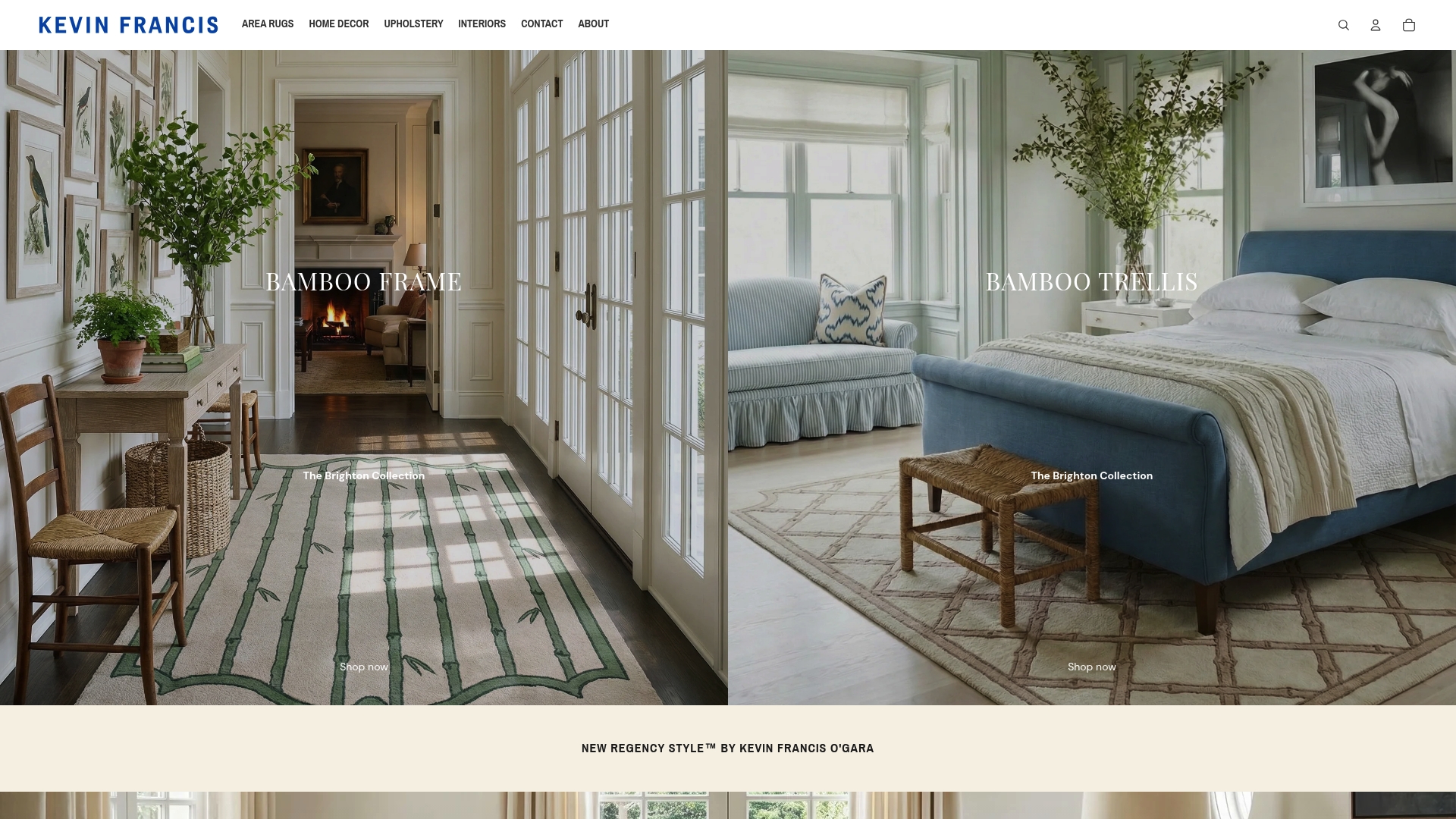
For a long-term investment piece with genuine structural depth, the Lotto Hand-Knotted Wool Area Rug is one of our most enduring designs, built to last generations. If you are drawn to bold surface texture and painterly pattern, the Anatolia Hand-Tufted Maze Rug and the Knossos Hand-Tufted Maze Rug bring a sculptural, art-inspired presence to any room. Browse the full collection to find the piece that speaks to your space.
FAQ
What is the main difference between hand-tufted and handwoven rugs?
Hand-tufted rugs are made by punching yarn into a canvas backing secured with latex adhesive, while handwoven rugs are built by interlacing warp and weft threads on a loom with no adhesive. The construction method determines durability, texture, and lifespan.
How can I tell if a rug is hand-tufted or handwoven?
Flip the rug over and examine the back. A smooth fabric backing indicates hand-tufted construction; a visible woven or knotted structure on the reverse indicates a handwoven or hand-knotted rug.
Which rug type lasts longer?
Handwoven and hand-knotted rugs last significantly longer, often 50–100 years or more with proper care, compared to 7–15 years for hand-tufted rugs, which are limited by latex adhesive degradation.
Are hand-tufted rugs good for high-traffic areas?
Hand-tufted rugs are best suited for moderate-traffic, comfort-focused rooms like bedrooms. For high-traffic areas such as entryways and dining rooms, handwoven rugs offer the structural durability needed to withstand daily wear.
Do handwoven rugs hold their value better than hand-tufted rugs?
Hand-tufted rugs depreciate over time as the latex backing breaks down, while well-maintained hand-knotted and handwoven rugs can hold or increase in value, making them the stronger long-term investment.


