


Commissioning bespoke home decor delivers tailored fit, superior craftsmanship, and a depth of emotional resonance that no showroom piece can replicate. This guide walks through the concrete advantages, the commissioning process, what interior designers gain, and how to decide whether a custom commission is right for your project.
The most immediate benefits of bespoke home decor commissions include:
- Exact fit and scale: pieces sized to your room’s precise geometry, not the nearest standard dimension
- Palette integration: colors and patterns matched to your existing finishes, fabrics, and light conditions
- Material quality and longevity: hand-selected fibers, joinery, and finishes that outlast mass-produced alternatives
- Exclusivity and provenance: a piece with a traceable story, a named maker, and a design that exists nowhere else
- Emotional and identity value: a home that reflects who you are, not what was available in stock
- Sustainability: reduced waste through intentional material sourcing and production to order
The Lotto Hand-Knotted Wool Area Rug from Kevin Francis Design illustrates this well: hand-knotted in wool using Tibetan techniques, it can be commissioned in custom dimensions and colorways, making it a living example of what thoughtful bespoke work produces.
Table of Contents
- What bespoke commissions actually deliver for your home
- How the commissioning process works, step by step
- Why interior designers gain so much from commissioning bespoke pieces
- The psychological case for bespoke: what research shows
- Is a bespoke commission right for your project?
- Key Takeaways
- What commissioning means to us
- Bespoke commissions from Kevin Francis Design
- Useful sources
- FAQ
What bespoke commissions actually deliver for your home
The phrase “custom home decor advantages” gets used loosely, so it’s worth being precise about what commissioning genuinely solves.
Fit and scale is where off-the-shelf pieces fail most visibly. A sofa that’s two inches too wide for an alcove, a rug that leaves an awkward border of bare floor, a pendant that hangs too low for a vaulted ceiling: these are the compromises that accumulate into a home that never quite settles. Bespoke work eliminates that friction by maximizing every inch of your space from the first drawing.

Material quality and craftsmanship produce a tactile richness that photographs can’t fully convey. Hand-knotted wool, solid hardwood joinery, hand-applied lacquer: these finishes age gracefully rather than degrading. The slower pace of handmade production, which design experts consistently emphasize, is not a drawback but a quality signal. Each stage of making receives the attention that factory timelines simply don’t allow.
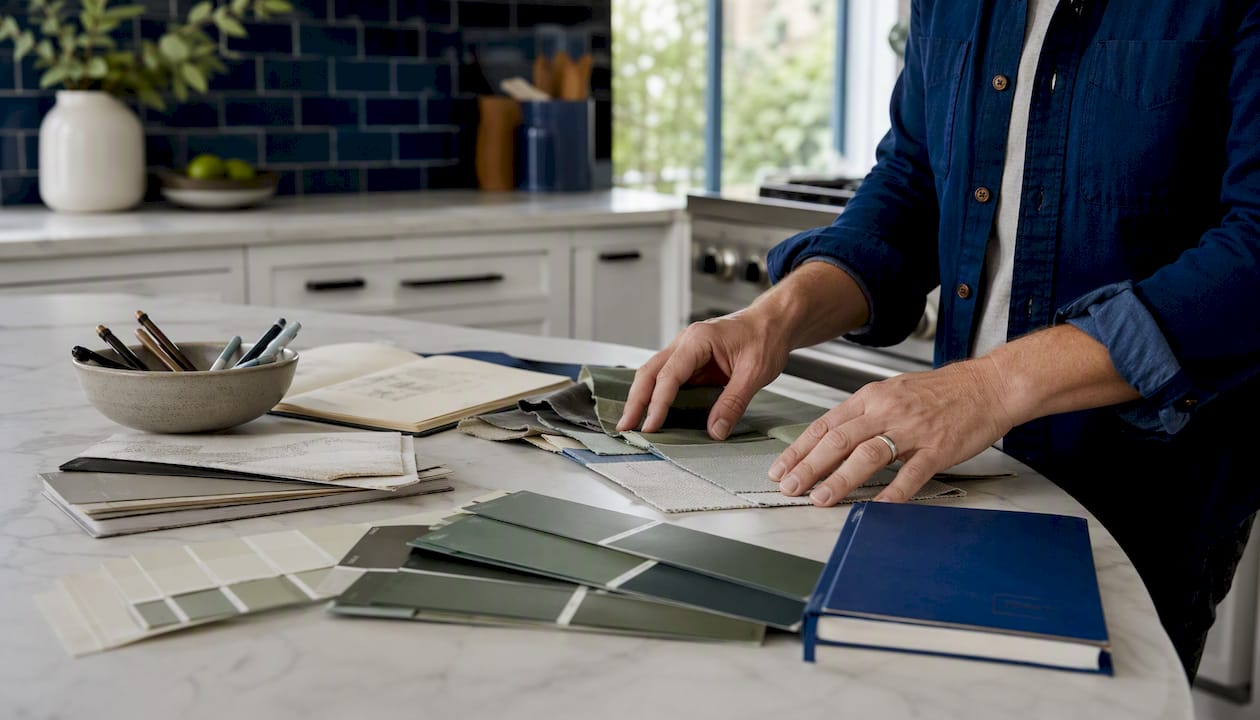
Color and palette integration is subtler but equally powerful. Commissioning lets you bring your actual paint chip, fabric swatch, and stone sample to the maker. The resulting piece doesn’t approximate your palette; it completes it.
Financial and resale value is a real consideration for long-term homeowners. Unique, well-executed interiors photograph and list better, and estate agents frequently highlight custom interiors as a differentiator. A bespoke piece that holds its integrity over decades contributes to a property’s appeal in ways that flat-pack furniture simply cannot.
Sustainability enters through material control. When you commission, you choose the fiber, the dye process, and the maker. Production to order means no overstock, no warehouse waste, and a clear chain of provenance from raw material to finished piece.
- Bespoke pieces are made once, for one space, reducing the cycle of replacement that mass-market buying encourages
- Artisan makers often source regionally or use natural materials with lower environmental impact
- Provenance documentation supports ethical purchasing decisions
Pro Tip: Bring physical swatches, not digital photos, to your first meeting with a maker. Color rendering on screens varies enough to cause costly mismatches at the sample stage.
How the commissioning process works, step by step
Understanding the workflow removes the anxiety that keeps many homeowners from starting. Most reputable studios follow a consistent sequence, and knowing what to expect at each stage helps you budget both time and money accurately.
The five core stages
- Brief: You share your vision, dimensions, palette, lifestyle needs, and budget range. The maker asks clarifying questions and may request photos of the space and existing pieces.
- Concept design: The studio produces sketches, mood boards, or digital renders. You review, refine, and approve the direction before any materials are committed.
- Specification and sampling: Materials are selected and physical samples produced. This is the stage to visit the workshop, handle the samples, and confirm every detail in writing.
- Making: Production begins. For hand-knotted rugs or hand-built furniture, this is the longest phase. Expect production queues of 2–5 months depending on studio workload and complexity.
- Delivery, inspection, and installation: The piece arrives and you inspect joinery, finish, and measurements against the approved prototype before signing off. Some makers offer a final walkthrough and maintenance guidance.
Typical timeline and cost drivers
| Factor | Typical range | What affects it |
|---|---|---|
| Total end-to-end timeline | several months | Complexity, material availability, studio queue |
| Design and sampling phase | 2–6 weeks | Number of revision rounds, sample shipping |
| Production phase | several months | Technique (hand-knotted vs. hand-tufted), size |
| Delivery and installation | 1–3 weeks | Geography, installation complexity |
Cost drivers worth discussing upfront include material grade, piece complexity, prototyping requirements, and the maker’s reputation and lead time. Practitioners consistently recommend agreeing on prototype costs and failure contingencies before work begins, particularly for experimental or large-scale commissions.
What to bring to your first meeting:
- Room dimensions and floor plan (measured, not estimated)
- Physical swatches of existing fabrics, paint colors, and stone or tile finishes
- A clear budget range, including a contingency for prototyping
- Reference images that show the mood you want, not just the object
- Questions about the studio’s warranty, care instructions, and installation process
Why interior designers gain so much from commissioning bespoke pieces
For designers, bespoke commissions are not simply a service upgrade. They are a business model shift that compounds over time.
- Portfolio differentiation: a signature custom piece defines a designer’s visual identity in a way that sourced furniture never can. When a project is published or shared, the bespoke element is what editors and followers remember.
- Higher-value billable work: custom design services command fees that standard procurement does not. The specification, maker liaison, and sample review process are all billable, and clients who understand the value rarely push back on the rate.
- Deeper client relationships: a client who has co-created something with you has a fundamentally different relationship with your work. They become advocates, not just satisfied customers.
- Creative control: commissioning lets designers specify exactly what a space needs rather than adapting the design around what’s available. The result is a more coherent, more resolved interior.
Designers who want to formalize their relationships with makers and suppliers can also benefit from trade programs that offer professional pricing and priority access. Integrating commissions into project schedules requires clear milestone planning: build the making phase into your project timeline from the first client conversation, not as an afterthought.
The psychological case for bespoke: what research shows
The emotional returns from bespoke design are not merely subjective. Environmental and architectural psychologists frame bespoke interiors as a form of psychological intervention: when people participate in shaping their environment, they report higher satisfaction, a stronger sense of ownership, and measurable improvements in relaxation and renewal.
“Luxury furniture’s tactile materials, proportional design, and biophilic elements contribute to calmness, creativity, and reduced anxiety — creating environments that actively support wellbeing rather than simply filling space.” — The psychology of luxury: how high-end furniture elevates mood and well-being
This matters because it reframes the investment calculation. A bespoke piece is not a luxury indulgence; it is a considered decision to shape the quality of your daily experience. Design experts note that the emotional significance of a handmade commission grows rather than fades over time, the opposite of what happens with mass-market purchases that lose their novelty within months.
The connection between interior design and mental health is well established in the literature. A space shaped around your proportions, your palette, and your story produces a quality of calm that a showroom replica simply cannot.
Is a bespoke commission right for your project?
Not every project warrants a full commission. This checklist helps you decide quickly.
Commission when:
- Your room has non-standard dimensions or awkward geometry that standard pieces can’t resolve
- You plan to stay in the home for five or more years (the investment amortizes meaningfully over time)
- Palette coherence is critical and no available piece matches your existing finishes
- Sustainability and provenance matter to your purchasing decisions
- You want a piece with a story: a named maker, a traceable material, a design that is yours alone
Questions to ask a maker at first contact:
- What is your current production queue, and what is a realistic delivery date?
- Can I visit the workshop during the making phase?
- Do you provide physical samples before production begins?
- Who bears the cost if a prototype doesn’t meet specification?
- What warranty and care guidance do you provide at handover?
Red flags to watch for:
- No workshop visit offered or available
- Vague or verbal-only timelines with no written milestone schedule
- Absence of physical material samples before sign-off
- No references or portfolio of completed commissions
- Reluctance to discuss prototype costs or failure contingencies upfront
Cost-vs-value prompt: Ask yourself what you would spend replacing a poor-fit piece in five years, including the time cost of searching again. Bespoke commissions often look different when that future cost is factored in.
Key Takeaways
Commissioning bespoke home decor delivers tailored fit, lasting material quality, and emotional value that compounds over time, making it a sound investment for long-term homeowners and a creative differentiator for interior designers.
| Point | Details |
|---|---|
| Fit and scale matter most | Bespoke solves awkward geometry and exact sightlines that standard pieces never resolve. |
| Timeline is 3–6 months | Most commissions run 3–6 months end-to-end; build this into your project schedule from day one. |
| Emotional value grows | Research shows bespoke participation raises satisfaction and long-term attachment to a space. |
| Designers earn more | Custom commissions unlock higher billable fees, portfolio differentiation, and deeper client loyalty. |
| Kevin Francis Design | Offers hand-knotted wool rugs and bespoke textiles with custom sizing and colorways for discerning homeowners and designers. |
What commissioning means to us
The conventional wisdom around bespoke decor tends to focus on exclusivity as the headline benefit. Rarity, one-of-a-kind status, the bragging rights of a named maker. Those things are real, but they are not the point.
What we have observed, working with handmade textiles and artisan-made pieces, is that the most lasting value comes from the process itself. The client who sits with a maker, handles the wool samples, watches a colorway evolve through three rounds of sampling, and finally sees their vision realized at scale: that client has a fundamentally different relationship with the finished piece. It is not just furniture or a rug. It is a record of a decision made with care.
The trade-offs are real too, and we think it’s worth saying so plainly. Bespoke costs more upfront. It takes longer. There is a moment in every commission, usually around the second sample round, where doubt creeps in. That moment is part of the process, not a sign that something has gone wrong. The makers who handle it best are the ones who communicate clearly, show their work, and invite you into the workshop rather than keeping you at arm’s length.
The pieces that endure in a home are almost always the ones that carry a story. And the story begins the moment you decide to commission rather than compromise.
Bespoke commissions from Kevin Francis Design
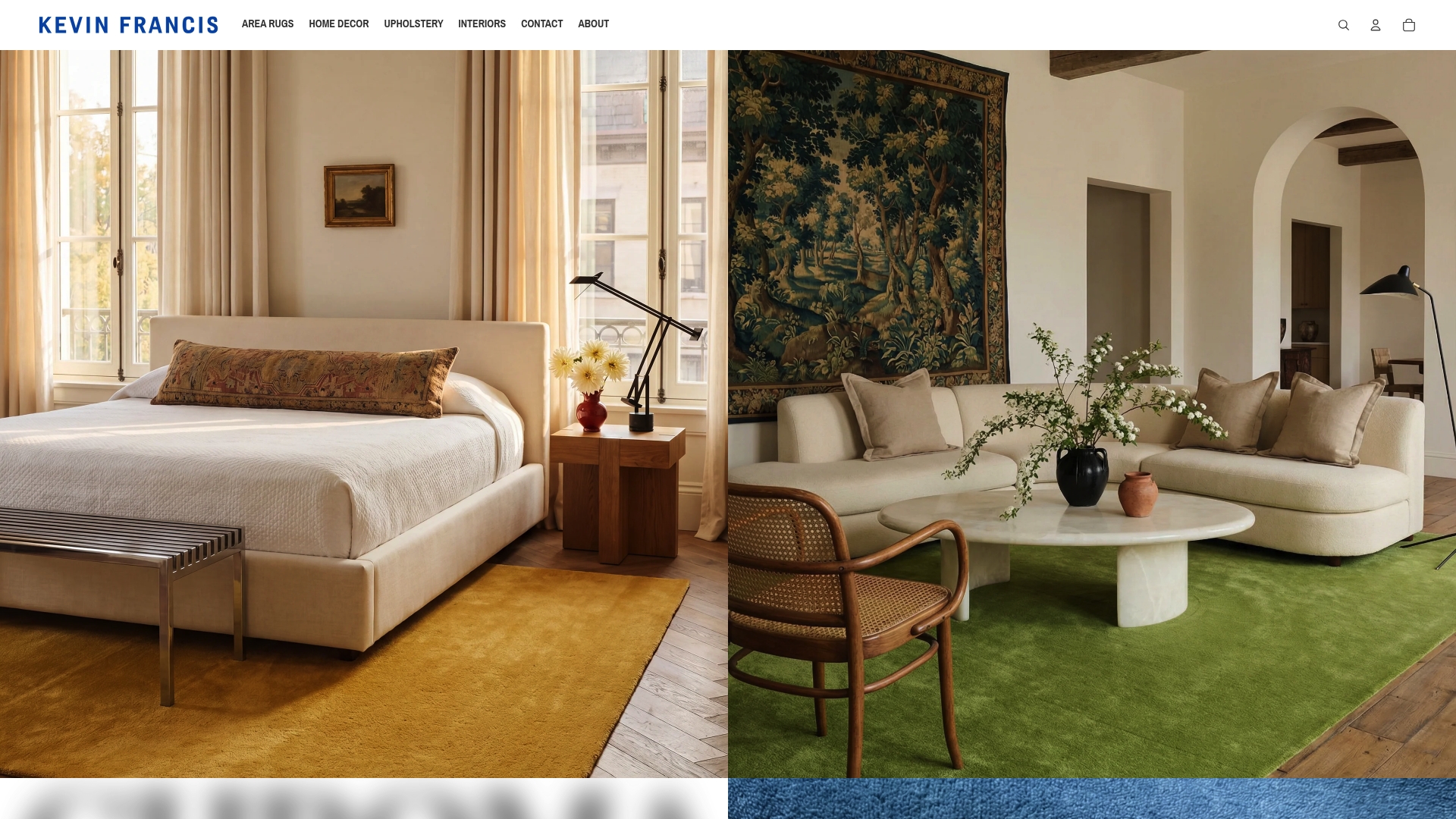
Kevin Francis Design specializes in handmade artisan rugs and bespoke home textiles, working with hand-knotting, hand-tufting, and Tibetan knotting techniques to produce pieces that are built for specific spaces and specific clients. The difference from browsing a catalog is immediate: you begin with your room’s dimensions, your palette, and your vision, and the piece is made to meet all three.
The Lotto Hand-Knotted Wool Area Rug is a strong starting point for clients new to commissioning. Available in custom sizes and colorways, it demonstrates what hand-knotted wool looks and feels like at scale, and it gives you a concrete reference point for a bespoke conversation.
To begin, reach out for a consultation. Bring your room dimensions, swatches, and any reference images. We will walk you through material options, realistic timelines, and what the sampling process involves, so you know exactly what to expect before any commitment is made.
Useful sources
These are the primary references used throughout this article. They are worth reading directly if you want to verify timelines, explore the psychological research, or go deeper on the commissioning process.
- How To Commission Bespoke Interiors: Full Guide From Idea To Execution — Country & Town House: covers the full commissioning workflow, workshop visit advice, and prototype cost conversations
- How to Commission Custom Furniture: A Beginner’s Guide — Science of Property: step-by-step phase breakdown for first-time commissioners
- Kevin Francis Design — contact page and full collection for consultation requests and custom commission inquiries
FAQ
What does “bespoke commission” mean in home decor?
A bespoke commission is a piece designed and made specifically for one client and one space, from an agreed brief through to delivery. Unlike custom sizing of an existing product, a true commission involves original design work, material selection, and maker collaboration from the start.
Is bespoke decor worth the investment?
For long-term homeowners and designers building a signature portfolio, yes. Bespoke pieces resolve fit and palette problems that standard pieces can’t, hold their quality over decades, and carry emotional and provenance value that grows rather than fades.
How long does a bespoke commission typically take?
Most commissions run 3–6 months from brief to delivery for standard projects. Complexity, material availability, and the studio’s production queue all affect timing, so confirm a written milestone schedule before work begins.
What is the 70/30 rule in interior design?
A common design approach emphasizes balancing a dominant style or palette with contrasting accents. Bespoke pieces are well suited to anchoring the dominant element, since their colors and proportions can be specified to carry the room’s primary tone precisely.
What questions should I ask before commissioning a bespoke piece?
Ask about current production lead times, whether workshop visits are possible, how physical samples are handled before sign-off, who bears prototype costs if a design doesn’t meet specification, and what warranty or care guidance comes with the finished piece.
Recommended
- Custom Rug Commission Benefits for Your Interior Design – Kevin Francis Design
- Cocolapinedesign.com Alternatives for Luxury Homeowners – Kevin Francis Design
- How to Design Custom Furniture That Fits Your Space and Style – Kevin Francis Design
- How Bespoke Rugs Reflect Your Identity and Style – Kevin Francis Design


