


The custom rug brief design process is the structured sequence of decisions, consultations, and technical approvals that transforms a client’s vision into a one-of-a-kind handmade rug. In the industry, this is often called a bespoke commission workflow, and it covers everything from your first sketch of an idea to the final knot tied by an artisan. Understanding each phase, including knot density, material selection, and sampling rounds, gives you the clarity to commission with confidence and the patience to wait for something truly worth having.
What key information should a custom rug brief include?
A well-constructed design brief is the foundation of every successful bespoke rug commission. Without it, even the most talented artisan is working in the dark. The brief translates your interior vision into a language that weavers, dye masters, and designers can act on with precision.
Here is what every thorough brief should address:
- Dimensions and layout. Measure your room and map out furniture placement before committing to a size. A rug that fits the furniture grouping, not just the room, anchors the space far more effectively. Standard practice is to leave 18–24 inches of bare floor between the rug edge and the wall.
- Material choices. Material choices directly affect the hand, sheen, and durability of the finished piece, with options including New Zealand wool, Iranian wool, silk, and wool-silk blends. Cotton foundations are common; silk foundations are reserved for the finest, most detailed work.
- Color palette and references. Clients provide color references via Pantone swatches, fabric or paint chips to guide the dyeing process and sampling accuracy. A paint chip from your wall or a fabric swatch from your sofa is worth more than a verbal description of “warm ivory.”
- Design style. Decide whether you want an original composition, a traditional pattern adapted to your palette, or a fully collaborative creation built from your own artwork or photography. Kevin Francis Design, for example, draws on modernist art movements and architectural geometry to develop patterns that feel both timeless and singular.
- Knot density (KPSI). Knots per square inch is the most critical technical specification in the brief. Lower density (100–150 KPSI) suits tribal and geometric styles; higher density (300–500+ KPSI) is required for intricate florals or fine portraiture. Most clients focus on color and pattern and overlook KPSI entirely, which is a costly oversight.
- Timeline and budget. Be honest about both. Rushing production compromises workmanship or drives up cost. A realistic budget conversation at the brief stage prevents painful surprises later.
Pro Tip: Bring a physical swatch of your dominant upholstery fabric to your first consultation. Dye lots on a screen look different under natural light, and a physical reference eliminates the most common source of color disappointment.
How does collaboration shape the rug design process?
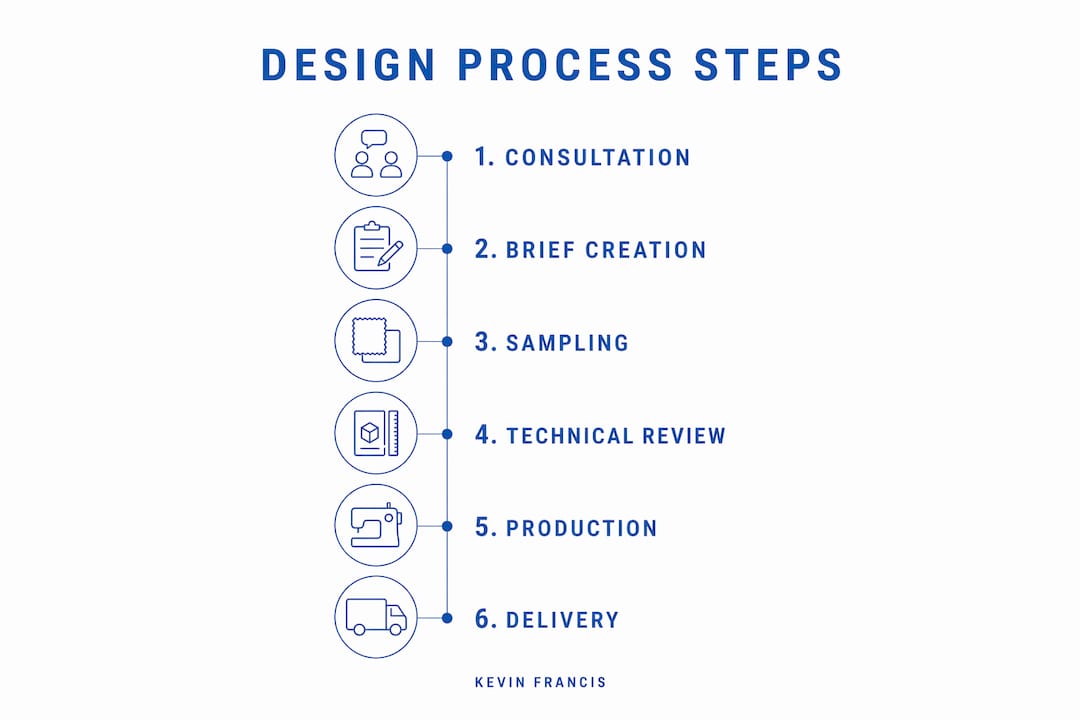
The commissioning process is not a transaction. It is a conversation that unfolds across several structured stages, each one narrowing the gap between what you imagine and what the loom produces. Here is how that conversation typically flows:
- Initial consultation. You share your brief, inspiration images, and room measurements. The designer asks clarifying questions about how the space is used, the light quality, and the mood you want to create. This session defines the creative direction.
- Design mockup. The studio produces a digital rendering or hand-rendered sketch based on the brief. At Kevin Francis Design, this stage often draws on the designer’s own archive of pattern work, offering clients a starting point that already carries artistic depth.
- Revision rounds. You review the mockup and request changes to scale, color balance, or pattern density. Most commissions require one to three revision rounds before the design is locked. Clear written feedback at each stage keeps the process moving.
- Strike-off sample approval. A small physical sample is woven to test color accuracy, knot density, and texture. Two rounds of sampling are standard practice. The first tests the initial color and structure; the second corrects any issues identified. Skipping this phase is the single most common mistake clients make.
- Production sign-off. Once the sample is approved, full production begins. No significant changes are possible after this point, so take the sample approval seriously.
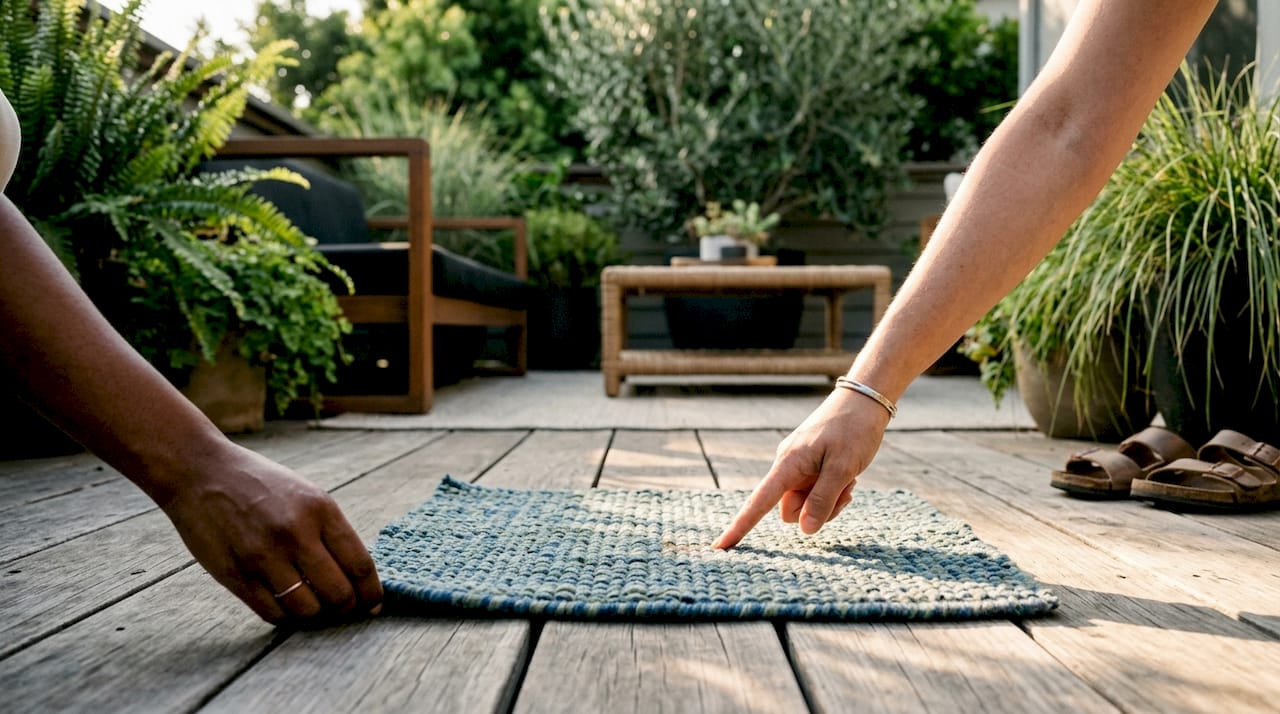
Pro Tip: When reviewing a strike-off sample, place it on the actual floor of the intended room and view it under the room’s lighting conditions, not on a white table in a showroom. Colors shift dramatically between environments.
The strike-off sample phase typically adds 2–4 weeks to the total timeline. That investment of time is far less painful than receiving a finished rug in the wrong shade of blue.
What are the technical and production considerations?
Understanding the technical side of rug production helps you read a quote accurately and set realistic expectations for quality and timing.
Knot density and its effect on detail
Knot density strongly influences cost, detail resolution, and production time. Think of KPSI like the resolution of a photograph. A low-KPSI rug renders bold geometric shapes beautifully but cannot capture fine gradients or delicate line work. A high-KPSI rug can reproduce something close to a painting, but the weaving time multiplies accordingly.
Size tolerances in hand-knotted work
Hand-knotted rugs finish within ±1% of specified dimensions due to the organic nature of artisan weaving. Perfectly square corners are often unrealistic. This is not a flaw. It is the signature of a human hand at work, and it gives each piece a warmth that machine-made goods cannot replicate.
Production timelines by complexity
| Rug Type | KPSI Range | Typical Lead Time |
|---|---|---|
| Tribal / Geometric | 100–150 KPSI | 16–18 weeks |
| Transitional / Mixed | 150–250 KPSI | 18–22 weeks |
| Fine Traditional / Pictorial | 300–500+ KPSI | 24–30 weeks |
Commissioning a bespoke hand-knotted rug typically requires 16–30 weeks of total lead time, including consultation, sampling, and production. That range reflects real differences in complexity, not padding.
Hand-knotted vs. hand-tufted production
Hand-knotted rugs are woven knot by knot on a loom, a process that produces the greatest durability and design fidelity. Hand-tufted rugs use a tufting gun to push yarn through a backing canvas, which significantly reduces production time and cost while still delivering a handmade aesthetic. For clients who want a custom design without a six-month wait, hand-tufted work is a genuine and beautiful alternative.
Faster production timelines usually reflect either reduced quality or higher cost. A quote that promises a hand-knotted rug in eight weeks deserves scrutiny.
How to prepare your space and expectations for a bespoke commission
Preparation on your end is just as important as the artisan’s skill. Clients who arrive at a consultation with clear information consistently report a smoother experience and a result that feels more personal.
- Measure precisely. Use a steel tape measure, not a fabric one, and record both the full room dimensions and the furniture footprint. Note any architectural features like fireplaces, bay windows, or built-ins that affect placement.
- Map your color story. Pull together paint chips, fabric swatches, and any decorative objects that anchor the room’s palette. The more physical references you bring, the more accurate the dye matching will be.
- Understand the investment. A bespoke hand-knotted rug is a long-term acquisition, not a purchase. Budget for the rug itself, delivery, and professional rug installation and care to protect your investment from day one.
- Plan your timeline backward. If you need the rug for a specific date, such as a renovation completion or a seasonal refresh, count back 30 weeks from that date and begin your brief at least that far in advance.
- Communicate in writing. Confirm every revision and approval via email. A written record protects both you and the studio if questions arise during production.
Learning how designer rugs tell creative stories at home can also help you articulate what you want your rug to say about your space before you ever sit down with a designer.
Key takeaways
A successful bespoke rug commission depends on a precise brief, disciplined sampling, and realistic production timelines.
| Point | Details |
|---|---|
| Start with a detailed brief | Define dimensions, materials, KPSI, color references, and budget before the first consultation. |
| Never skip sampling rounds | Two strike-off samples add 2–4 weeks but prevent costly color and texture mismatches. |
| KPSI drives cost and detail | Higher knot density produces finer design resolution but extends production time and price. |
| Plan for 16–30 weeks | Total lead time varies by complexity; build this into your renovation or decorating schedule. |
| Bring physical references | Paint chips and fabric swatches produce more accurate dye matching than digital images alone. |
What i’ve learned after years of commissioning custom rugs
The brief is where most commissions succeed or fail, and I say that from direct experience. Clients who arrive with a clear sense of their room’s color story, a realistic budget, and genuine curiosity about the craft tend to end up with rugs they treasure for decades. Clients who treat the brief as a formality and rush to production often find themselves disappointed by details they never thought to specify.
The sampling phase is the part of the process I feel most strongly about. I have seen clients resist it because it adds weeks to the timeline, and I understand the impatience. But a strike-off sample is not a delay. It is the moment when the rug becomes real, when you can hold the color against your wall and feel the texture under your fingers. That physical confirmation is irreplaceable, and no amount of digital rendering can substitute for it.
What I find most rewarding about commissioning one-of-a-kind rugs is the way they anchor a room in a way that no mass-market piece ever can. A custom rug carries the memory of the conversation that created it. It holds the specific shade of blue you chose because it matched your grandmother’s ceramic collection. That kind of meaning is woven in, and it shows.
If you are considering building an artisan rug collection for your home, start with one commission done well. The patience it requires teaches you something about craft that changes how you see every object in your space.
— Kevin O’Gara
Discover bespoke rugs at kevin francis design
Kevin Francis Design offers a curated range of luxury handmade rugs, from hand-knotted wool masterworks to hand-tufted statement pieces, each available for custom commission or immediate purchase.
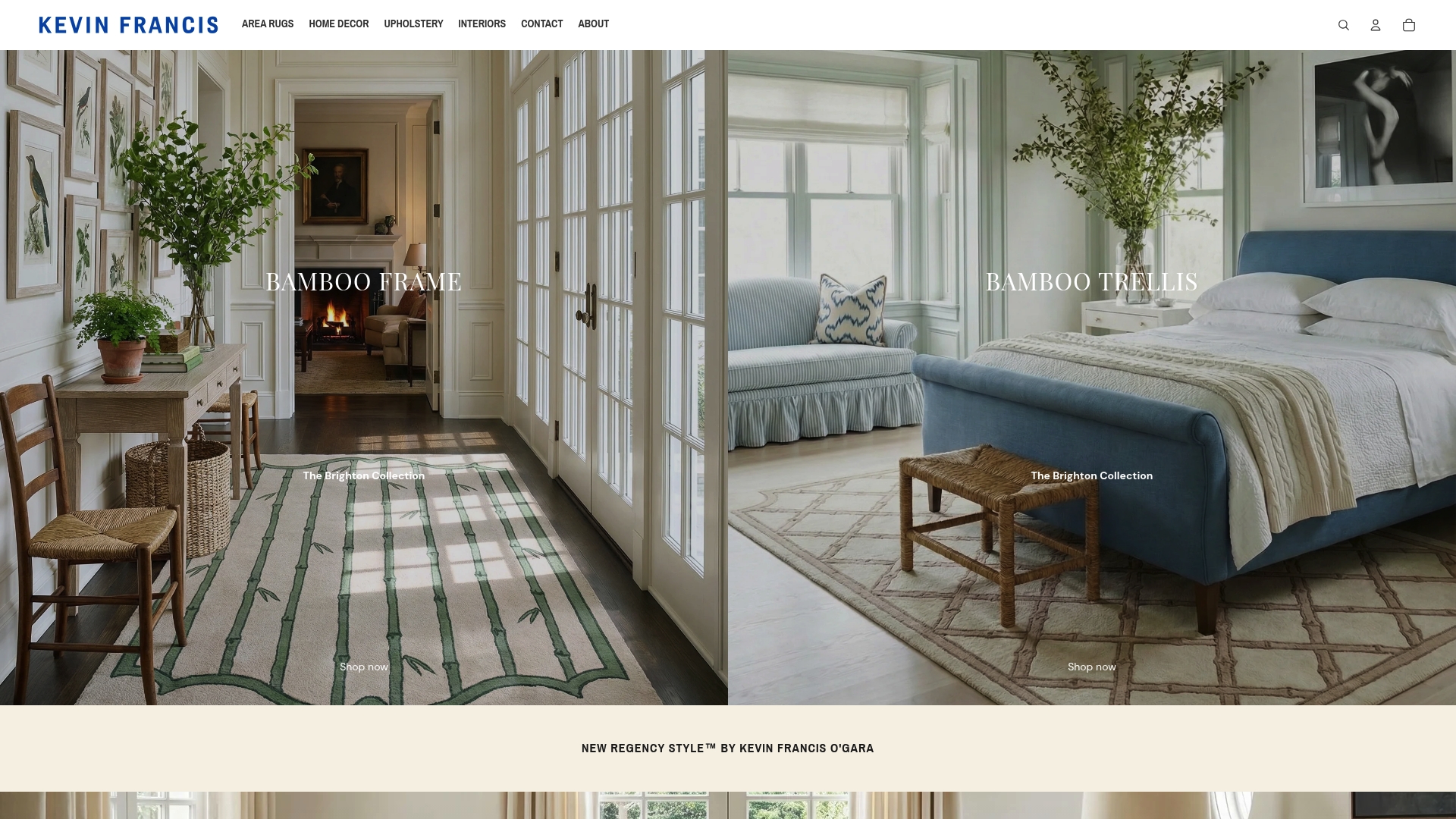
The Lotto Hand-Knotted Wool Area Rug is a beautiful example of the artistry possible when a well-crafted brief meets skilled hands. For those drawn to geometric pattern with a shorter lead time, the Anatolia Hand-Tufted Maze Rug offers the same design sensibility in a hand-tufted format. Our team guides every client through the commissioning process with the care and expertise that a piece of this significance deserves.
FAQ
What is a custom rug brief in the design process?
A custom rug brief is a document or consultation record that defines the dimensions, materials, color palette, pattern style, knot density, and budget for a bespoke rug commission. It serves as the creative and technical foundation for every decision that follows.
How long does commissioning a bespoke hand-knotted rug take?
Commissioning a bespoke hand-knotted rug typically requires 16–30 weeks of total lead time, including consultation, sampling, and production. Simpler pieces at lower knot densities fall closer to 16 weeks; intricate, high-KPSI designs can take 24–30 weeks.
What is KPSI and why does it matter?
KPSI stands for knots per square inch and defines the detail resolution, cost, and production time of a hand-knotted rug. Lower KPSI (100–150) suits bold geometric designs; higher KPSI (300–500+) is required for fine patterns and pictorial work.
Can i skip the strike-off sample phase to save time?
Skipping the strike-off sample phase is strongly discouraged. Two rounds of sampling add only 2–4 weeks but are critical to prevent color and texture mismatches between the brief and the finished rug.
What is the difference between hand-knotted and hand-tufted rugs for custom commissions?
Hand-knotted rugs are woven knot by knot for maximum durability and design fidelity, while hand-tufted rugs use a tufting gun for faster production at a lower cost. Both methods support custom design briefs, but hand-knotted work offers greater longevity and is better suited to highly detailed patterns.


