


Maintaining a home involves more than just aesthetic upkeep; it includes ensuring the functionality and safety of essential systems like plumbing. For homeowners, understanding the basics of plumbing can be a crucial part of managing and preserving their property. This article provides a comprehensive checklist to help homeowners effectively handle plumbing issues, recognize when to call a professional, and prevent emergencies that can disrupt family life. We'll cover necessary tools, common problems, signs for professional intervention, and maintenance strategies, all tailored to the unique needs of a home and family setting.
Essential Plumbing Tools Every Homeowner Should Have
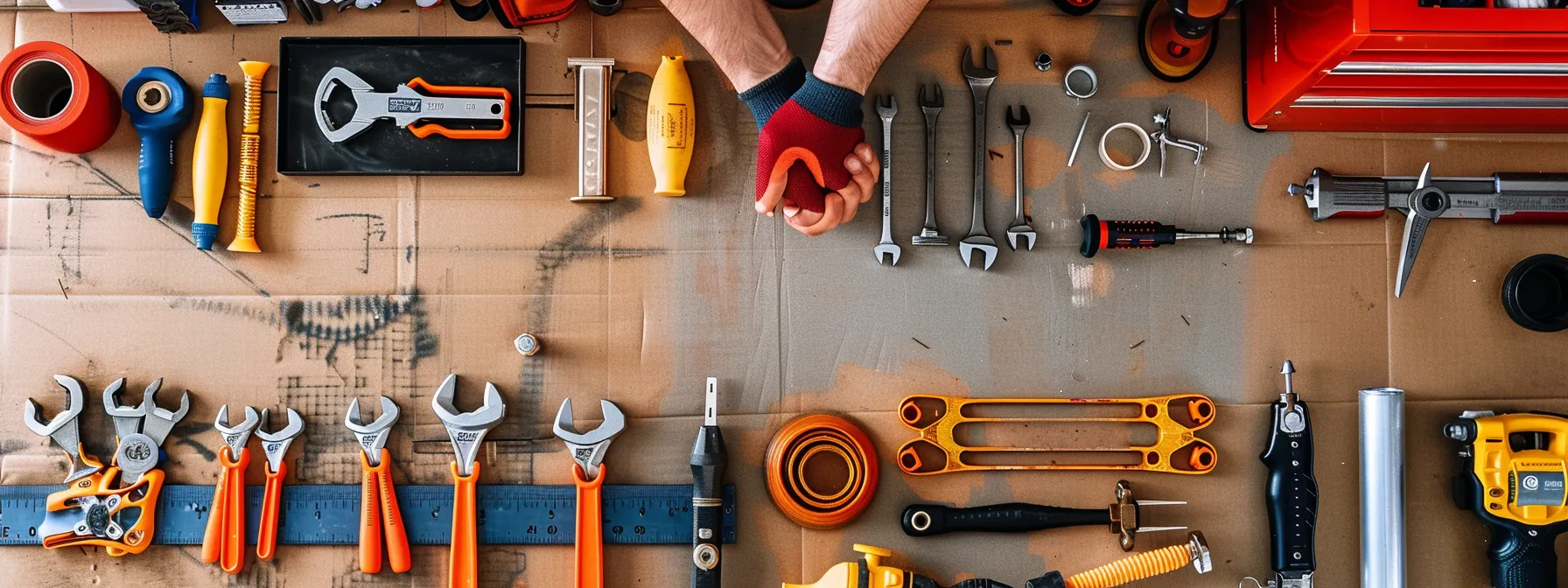
Having the right tools can empower homeowners to address minor plumbing issues swiftly, minimizing disruptions to the family's routine. A pipe wrench is an indispensable tool that every homeowner should possess. It provides the grip needed to tighten or loosen pipes and fittings effectively. Additionally, a plunger is essential for clearing blockages in toilets and drains, ensuring the home remains functional and hygienic. For those implementing Home Automation Protocols, a pipe cutter can aid in modifying plumbing setups to accommodate new technologies seamlessly. Investing in these tools not only prepares homeowners for immediate fixes but also contributes to the Family Resilience Framework by promoting self-sufficiency. Homeowners should also be aware of when to call a Plumber to handle more complex issues.
Common Plumbing Issues and Their Solutions
Plumbing issues can range from minor inconveniences to significant disruptions. Dripping faucets are a common problem that can lead to water waste and increased utility bills. Often, this can be resolved by replacing worn-out washers or O-rings. Another frequent issue is low water pressure, which can be caused by sediment buildup in pipes. Regularly performing an Indoor Air Quality Assessment can help identify potential pipe corrosion contributing to this problem. Furthermore, clogged drains can usually be cleared with a plunger or drain snake, ensuring that the plumbing system supports Eco-Friendly Parenting Practices by conserving water and reducing waste.
When to Call a Professional Plumber
While some plumbing issues can be tackled independently, there are times when professional expertise is necessary. Homeowners should consider calling a Plumber if they encounter persistent leaks that could potentially damage the home's structure. Moreover, if there is a complete loss of water pressure, it may indicate a significant problem within the main water supply line that requires expert intervention. According to the American Water Works Association, addressing such issues promptly can prevent costly repairs and further complications. Homeowners should also seek professional help when modifying plumbing systems to adhere to Universal Design Principles, ensuring accessibility for all family members.
Maintenance Tips for Preventing Plumbing Emergencies
Preventative maintenance is key to avoiding plumbing emergencies that can disrupt household operations. Regularly inspecting pipes for leaks or corrosion can help identify issues before they escalate. A Home Energy Audit can reveal inefficiencies in your hot water system, allowing for adjustments that improve performance and reduce energy consumption. Additionally, installing childproofing equipment standards on exposed pipes can safeguard young family members, aligning with the "Attachment Parenting Philosophy" by providing a safe environment. Homeowners should conduct routine checks of outdoor faucets and hoses to prevent freezing and bursting during colder months, ensuring continuous access to water resources.
Conclusion
Understanding and managing plumbing systems is vital for maintaining a safe and efficient home environment. By equipping themselves with essential tools, recognizing common issues, knowing when to call a professional, and adopting maintenance practices, homeowners can ensure their plumbing remains in top condition. These strategies not only protect the home's infrastructure but also support family resilience and well-being. Empowered with this checklist, homeowners can confidently navigate plumbing challenges and create a functional and harmonious living space for their families.


