


People talk about balancing function and beauty as if they are two ends of a tug-of-war, where every bit of prettiness costs you a bit of practicality. I have never believed that. The most beautiful rooms I know are also the most livable ones, and the reason is simple: a room you are afraid to use is not beautiful, it is a stage set. My whole approach starts from the opposite of preciousness. Houses should be lived in, and every room should be enjoyed. Here is how to get both at once.
Start with how you actually live, not how it photographs
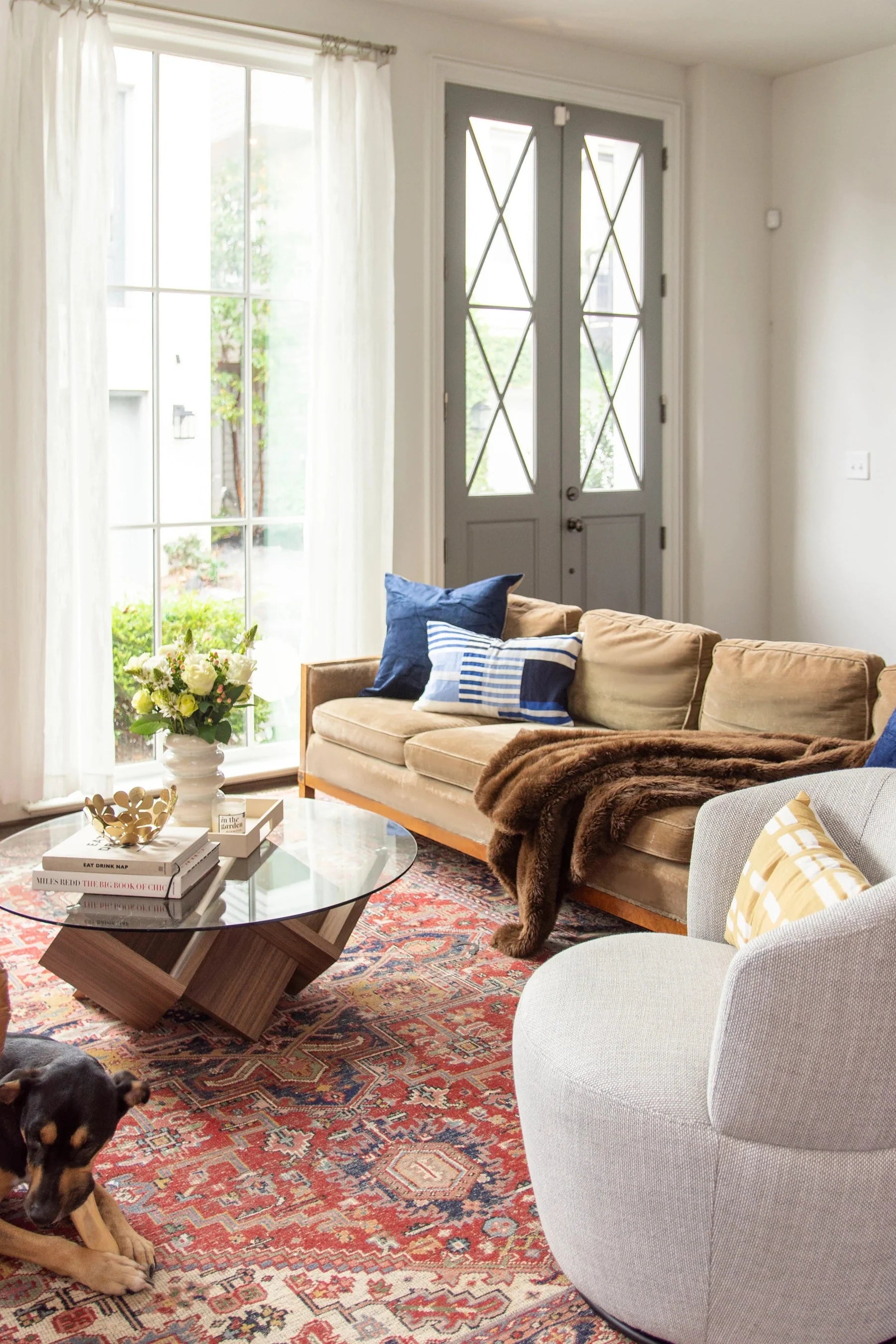
Before color or furniture, get honest about the room's job and who uses it. A living room where a family piles on the sofa every night has different demands than a formal sitting room used twice a year. Designing for the life you actually live, rather than an imagined one, is what keeps a beautiful room from becoming a museum nobody enters. This is the question I ask first on every project, and you can see how it plays out across my interior work.
Let the layout do the quiet work
Good flow is invisible when it is right and maddening when it is wrong. Arrange a room so movement through it feels natural, conversation areas are close enough to actually talk, and nothing makes you squeeze or detour. A layout that works will carry a lot of aesthetic weight on its own, because a room that feels easy to be in already feels good. The kitchen is the hardest test of that idea, and I have written about pro-style kitchen design for anyone fitting serious appliances into a room that still has to look like home.
Choose pieces that are beautiful and want to be used
This is where the false trade-off really dissolves. A well-made piece can be gorgeous and hard-working at once. A sculptural console that also hides clutter, a chair that is as comfortable as it is handsome, an investment piece you genuinely love and therefore actually use. An investment piece is never overrated if you truly love it, and the things you love are the things you take care of, which is its own kind of function.
Flooring: the clearest proof that both can win
Nowhere is the beauty-and-function point easier to make than underfoot. A rug should anchor and elevate a room and survive the life happening on top of it. That is exactly why fiber choice matters: durable, naturally stain-resistant wool for rooms that get used, like the Labyrinth collection, or a performance fiber built for spills and heavy traffic, like the Panthera performance rugs, neither of which asks you to choose between looking good and holding up. If you want to match the right construction and fiber to your room, my guide to types of area rugs breaks it down.
Light it for living and for mood
Lighting has to do two jobs: let you see what you are doing and set how the room feels. Layer it. Task light where you cook, read, or work, and warmer, lower light to make the room inviting at night. One cold overhead fixture fails at both. Several warm sources, including lamps, do both effortlessly.
Color and pattern carry the beauty and hide the wear
Color, pattern, and texture are where a room comes alive, and they quietly do functional work too. Pattern hides everyday wear and the occasional spill far better than a flat, pale expanse. A grounding base with layered color and texture reads as rich and collected while being more forgiving day to day. Beauty and practicality, again, pulling in the same direction.
Quick answers
How do you balance function and aesthetics in interior design?
Start with how the room is actually used, get the layout and flow right, then choose pieces that are both beautiful and hard-working. Treated this way the two reinforce each other rather than compete.
What matters more, function or beauty?
Neither has to lose. A beautiful room you are afraid to use fails, and a purely practical room with no soul fails too. The goal is pieces and layouts that deliver both.
How do I make a beautiful room more practical?
Choose durable, stain-resistant materials like wool or performance fibers, use pattern to disguise wear, layer your lighting, and pick furniture that earns its place through comfort or storage as well as looks.
Where to start
Design for the life you actually live, choose pieces beautiful enough to love and tough enough to use, and stop treating your home like a museum. If you want help striking that balance, take a look at my interior design work or get in touch. And when you are ready to anchor a room, browse the rug collections or start a custom rug.


